Goyal: 9 FTAs with 38 developed nations open doors for Indians
Synopsis
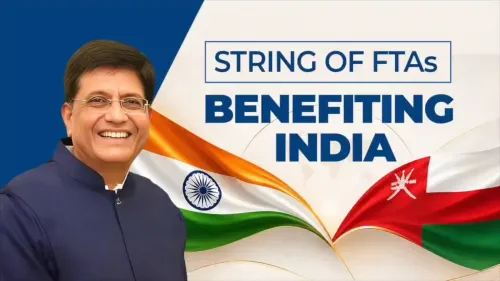
Union Commerce Minister Piyush Goyal has highlighted that nine free trade agreements with 38 developed nations have opened significant opportunities for Indian citizens, reflecting India's two-decade push to integrate with advanced economies through preferential trade pacts.
Key Takeaways
Union Commerce Minister Piyush Goyal stated on 20 June 2026 that India has signed 9 FTAs with 38 developed countries .
India's FTA network includes agreements with Singapore (2005), South Korea (2010), Japan (2011) and Australia (2022), among others.
The agreements cover goods, services and investment, targeting sectors where India holds competitive strengths such as IT, pharmaceuticals and textiles.
Indian exporters, manufacturers and services firms are the primary intended beneficiaries of the preferential market access these deals provide.
Ongoing negotiations for the India-UK FTA and India-EU BTIA could further expand India's footprint among high-income economies.
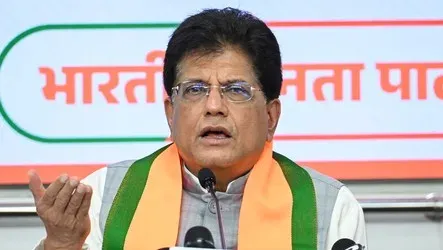
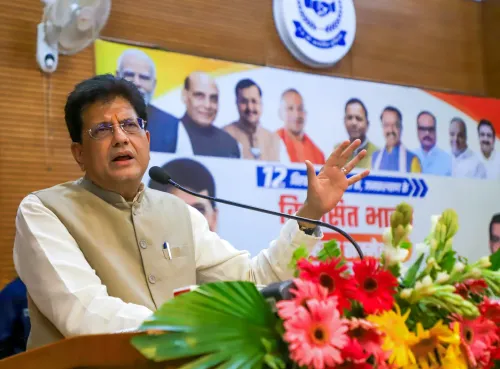
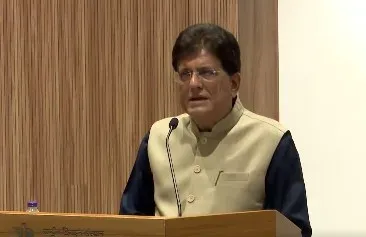
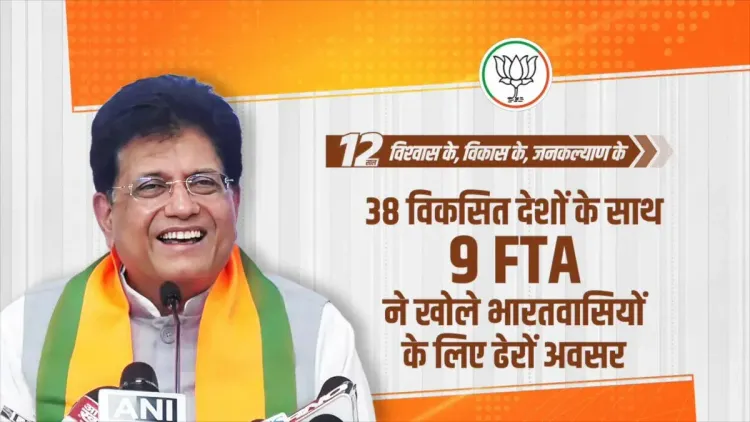
Union Commerce and Industry Minister Piyush Goyal on Saturday, 20 June 2026, highlighted that nine free trade agreements signed with 38 developed countries have unlocked a wide range of opportunities for Indian citizens, underscoring the government's push to deepen trade ties with advanced economies.
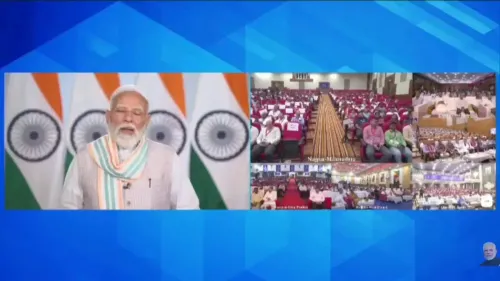
Posting on X, the minister wrote: '38 विकसित देशों के साथ 9 FTA ने खोले भारतवासियों के लिए ढेरों अवसर' — meaning, '9 FTAs with 38 developed countries have opened numerous opportunities for the people of India.' The post was accompanied by a video, suggesting a detailed audio-visual presentation of India's trade agreement milestones.
Context
India has built its free trade agreement network steadily over more than two decades. Among the early milestones, the India-Singapore Comprehensive Economic Cooperation Agreement came into effect in 2005, followed by the India-South Korea Comprehensive Economic Partnership Agreement in 2010 and the India-Japan Comprehensive Economic Partnership Agreement in 2011. More recently, India and Australia signed an Economic Cooperation and Trade Agreement in 2022, providing tariff concessions across most product lines.
These agreements collectively cover goods, services and investment, targeting sectors where India holds competitive strengths — particularly in services exports, pharmaceuticals, textiles and information technology.
Policy Backdrop
The expansion of India's FTA network is part of a broader export-led growth strategy pursued across successive governments. The current administration has placed particular emphasis on integrating Indian manufacturers and service providers into global supply chains while securing preferential market access in high-income economies.
Piyush Goyal, as the minister responsible for trade policy and export promotion, has been the principal face of India's FTA negotiation drive. The government's stated objective is to position India as a preferred manufacturing and services destination, leveraging reduced tariff barriers in partner countries to boost outbound trade and attract inward investment.
Stakeholders and Impact
Indian exporters in manufacturing and services sectors stand to benefit most directly from the preferential access these agreements provide. Lower tariffs in developed-country markets make Indian goods more price-competitive, while investment chapters ease the entry of Indian firms into partner economies.
For Indian workers and consumers, the agreements carry dual significance: expanded export markets can support domestic job creation, while import provisions can introduce competitive pressure that drives down costs of certain goods. Small and medium enterprises, which account for a significant share of India's export base, are among the key intended beneficiaries of the outreach.
What's Next
Attention in trade policy circles will turn to the conclusion of ongoing negotiations, most notably the long-pending India-United Kingdom FTA and the India-European Union Broad-based Trade and Investment Agreement (BTIA), both of which would substantially widen India's footprint among developed economies. Progress on these fronts, alongside official trade statistics tracking export and investment flows to existing FTA partners, will be the clearest measure of whether the agreements are delivering on their stated promise of expanded opportunities for Indian citizens.
Point of View
Framing India's accumulated FTA portfolio as a citizen-level opportunity rather than an abstract policy achievement. By anchoring the claim to a concrete figure — 38 developed countries — the minister is signalling that India's engagement with advanced economies has reached a scale that warrants public attention. This fits a pattern of the current government using social media to build a popular constituency for trade liberalisation, a policy area that has historically attracted domestic resistance. The timing, ahead of likely announcements on the India-UK and India-EU negotiations, suggests the post may also be laying the groundwork for presenting future deals as part of an already-proven success story.
NationPress
20 Jun 2026
Frequently Asked Questions
How many FTAs has India signed with developed countries?
According to Union Commerce Minister Piyush Goyal's statement on 20 June 2026, India has signed 9 free trade agreements covering 38 developed countries.
Which are the major FTAs India has signed with developed economies?
India's key FTAs with developed economies include agreements with Singapore (2005), South Korea (2010), Japan (2011) and Australia (2022), each covering goods, services and investment.
What is the India-UK FTA and when will it be signed?
The India-UK Free Trade Agreement is an ongoing negotiation aimed at providing preferential market access between the two countries. No final signing date has been officially confirmed as of June 2026.
How do India's FTAs benefit common citizens?
FTAs can benefit citizens by creating export-driven jobs, making Indian goods more competitive abroad, and potentially lowering prices of imported goods through reduced tariffs.
What is Piyush Goyal's role in India's trade policy?
Piyush Goyal is the Union Minister of Commerce and Industry and is responsible for India's trade policy, export promotion and the negotiation of free trade agreements.