Goyal: India's Global Partnerships to Unlock Youth Jobs
Synopsis
Commerce Minister Piyush Goyal on 23 May 2026 said India's expanding global partnerships are designed to generate employment, unlock potential, and provide global exposure for Indian youth, aligning trade diplomacy with the country's demographic advantage.
Key Takeaways
Union Commerce Minister Piyush Goyal stated on 23 May 2026 that India is building partnerships with countries worldwide to create jobs and global exposure for its youth.
The India-UAE CEPA and India-Australia ECTA , both signed in 2022 , include labour mobility and mutual skill-recognition provisions targeting young professionals.
The Skill India Mission , launched in 2015 , underpins this strategy by linking domestic vocational training to overseas employment pathways.
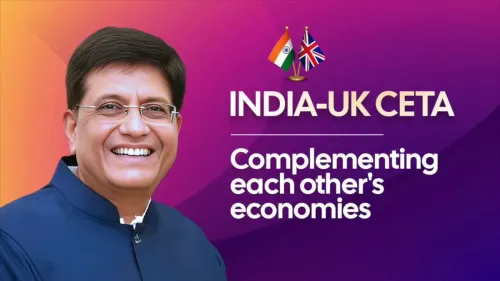
Pending trade talks with the EU , UK , and Canada contain similar professional mobility chapters that could further expand opportunities.
India's trade diplomacy has since 2014 systematically embedded youth mobility clauses in bilateral deals to convert its demographic dividend into economic gains.
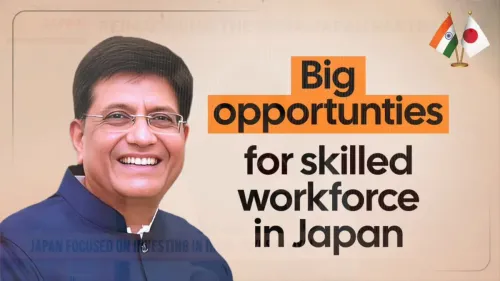
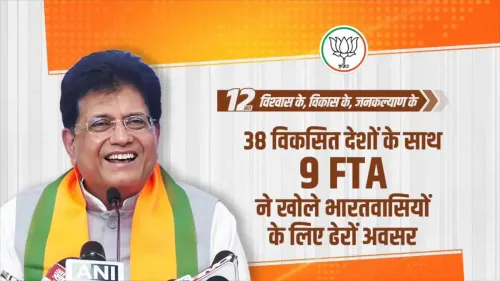
Union Commerce and Industry Minister Piyush Goyal on Saturday, 23 May 2026 stated that India is forging partnerships with countries across the world with the express aim of creating employment opportunities, unlocking the potential of Indian youth, and ensuring they gain global exposure.
Context
Posting on X, Minister Goyal wrote in Hindi: 'भारत भी दुनिया के अलग अलग देशों के साथ पार्टनरशिप कर रहा है' ('India is also building partnerships with different countries around the world'). He added that the objective is to give Indian youth opportunities and employment, let their capabilities flourish, and also ensure that the country's young people receive global exposure.
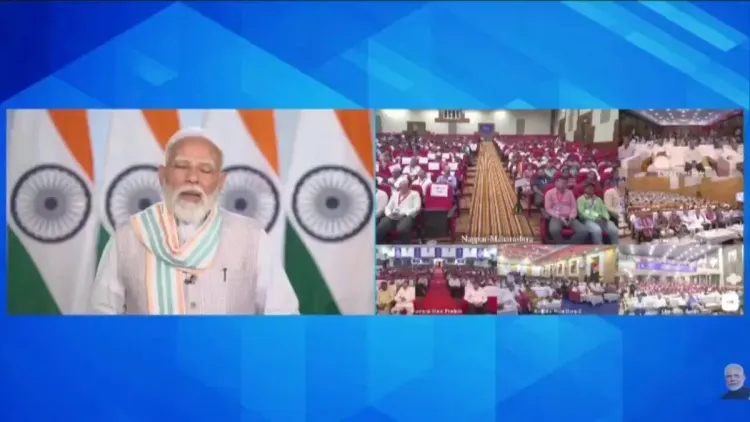
The statement, accompanied by a video, frames India's expanding web of bilateral economic engagements explicitly through the lens of youth empowerment — a framing that goes beyond conventional trade diplomacy.
Policy Backdrop
India's strategy of embedding youth mobility and skill-recognition provisions within trade agreements has deepened since 2022, when two landmark deals were concluded. The India-UAE Comprehensive Economic Partnership Agreement (CEPA), signed in 2022, includes commitments on mutual recognition of skills and temporary movement of persons. The India-Australia Economic Cooperation and Trade Agreement (ECTA), also signed in 2022, introduced labour mobility provisions specifically targeting young professionals alongside its tariff reduction chapters.
These agreements complement the domestic Skill India Mission, launched in 2015, which has sought to equip millions of Indians with industry-relevant vocational skills and link training outcomes to both domestic and overseas employment pathways.
Since 2014, Indian trade and economic diplomacy has systematically sought to convert the country's demographic advantage — the largest youth cohort in the world — into a strategic asset by creating regulated pathways for overseas experience, knowledge transfer, and remittance earnings.
Stakeholders and Impact
The primary beneficiaries of this approach are Indian youth and young professionals seeking employment, skills upgradation, and international career exposure. For partner countries, the arrangement offers access to a large, trainable workforce at a time when several developed economies face demographic headwinds and labour shortages.
Domestic skilling institutions, industry bodies, and state governments that run vocational training centres also stand to gain as international demand for certified Indian professionals can drive enrolment and curriculum upgradation. The broader economy benefits through remittances and the return of globally experienced workers who bring capital and knowledge back home.
What's Next
Attention will now turn to the progress of pending trade negotiations with the European Union, the United Kingdom, and Canada — all of which contain professional mobility chapters that could significantly expand overseas opportunities for Indian youth. Possible expansion of bilateral skill-recognition frameworks is also expected to feature in upcoming inter-ministerial reviews.
Minister Goyal's public articulation of youth employment as a central pillar of India's international partnerships signals that labour mobility and global exposure will remain non-negotiable priorities in any future agreement India signs.
Point of View
Making complex bilateral agreements legible to a domestic audience of young voters and job-seekers. The explicit mention of 'global exposure' alongside employment suggests the government is trying to address not just economic anxiety but the aspirational gap felt by educated urban youth. This fits a broader BJP strategy of tying macro-economic achievements to individual opportunity narratives ahead of electoral cycles. The statement also pre-positions India's negotiating stance in pending talks with the EU, UK, and Canada, where labour mobility chapters remain among the most contested elements.
NationPress
19 Sept 2026
Frequently Asked Questions
What did Piyush Goyal say about India's global partnerships?
Minister Piyush Goyal said on 23 May 2026 that India is forging partnerships with countries around the world specifically to create employment opportunities for Indian youth, help their capabilities flourish, and provide them with global exposure.
How do India's trade agreements help Indian youth get jobs abroad?
Agreements like the India-UAE CEPA and India-Australia ECTA, both signed in 2022, include provisions for mutual recognition of skills and temporary movement of persons, creating regulated pathways for Indian professionals to work and gain experience overseas.
What is the Skill India Mission and how does it relate to global partnerships?
The Skill India Mission, launched in 2015, trains Indians in industry-relevant vocational skills. It complements international trade agreements by ensuring that youth are equipped with certified, globally recognised skills before they access overseas employment pathways.
Which countries is India negotiating trade deals with that include youth mobility?
India is in ongoing negotiations with the European Union, the United Kingdom, and Canada on trade agreements that contain professional mobility chapters, which could significantly expand overseas career opportunities for Indian youth.
Why is India embedding youth employment clauses in trade agreements?
India's large youth population is seen as a demographic dividend. By including skill-recognition and labour mobility provisions in bilateral deals, India aims to convert this advantage into export earnings, knowledge transfer, and remittances from Indians working abroad.