Piyush Goyal: India a launchpad for global growth
Synopsis
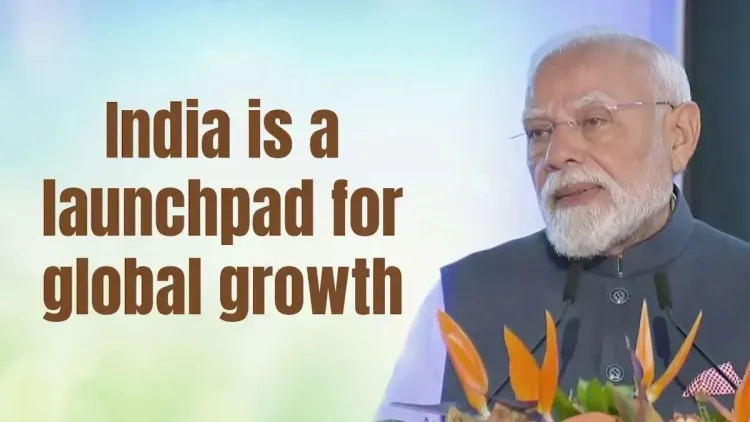
Commerce Minister Piyush Goyal on 11 July 2026 declared India a 'launchpad for global growth,' reinforcing New Delhi's strategic push to attract foreign manufacturers and integrate into global supply chains beyond its role as a consumer market.
Key Takeaways
Piyush Goyal posted on 11 July 2026 that 'India is not just a market; India is a launchpad for global growth.' The statement builds on the Make in India initiative launched in September 2014 , which targeted 25 sectors for investment promotion.
India allowed 100% FDI through the automatic route in most sectors following liberalisation measures between 2014 and 2020 .
The Production Linked Incentive (PLI) scheme, introduced in 2020 , was designed to make Indian factories export-competitive across electronics, pharmaceuticals, and other sectors.
Key audiences include foreign investors pursuing China-plus-one supply-chain strategies and manufacturing exporters already operating in India.
Upcoming PLI expansions and India-EU trade agreement negotiations are the next policy milestones to watch.
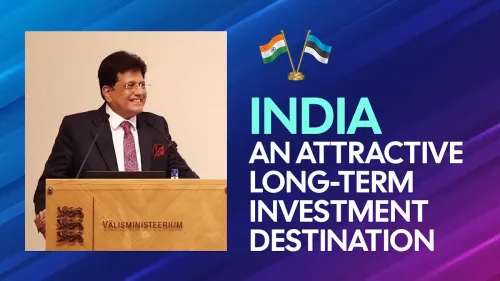
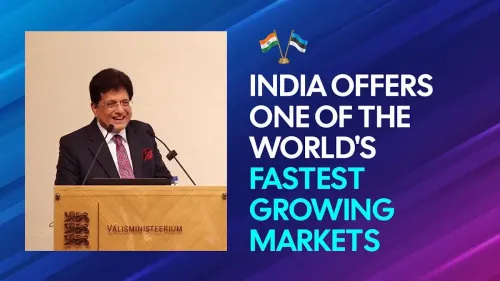
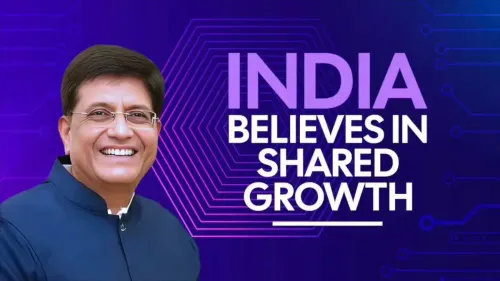
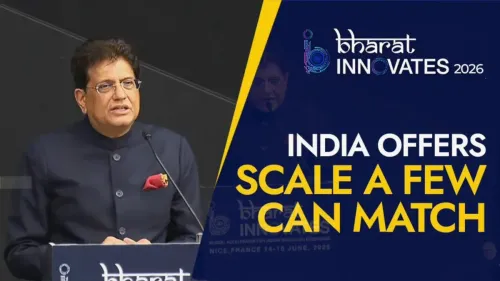
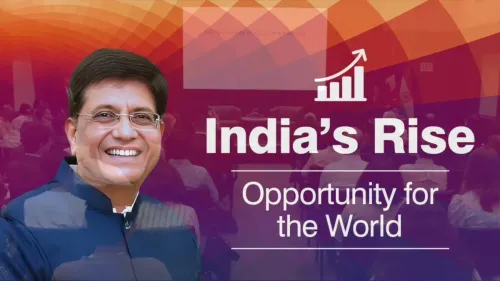
Union Commerce and Industry Minister Piyush Goyal on Saturday, 11 July 2026, declared that India is not merely a consumer destination but a springboard for worldwide economic expansion, posting the assertion on X as part of his ongoing push to reframe the country's global economic identity.
Context
Goyal's post — 'India is not just a market; India is a launchpad for global growth' — distils a message that the Ministry of Commerce and Industry has been amplifying across international forums. The framing deliberately moves beyond the conventional pitch of India as a billion-plus consumer base, positioning the country instead as an origination point for goods, services, and investment that ripple outward into global value chains.
The statement arrives as India continues to attract multinational firms reassessing their supply-chain dependence on any single geography. New Delhi has positioned itself as the natural alternative, backed by a large, young workforce and a series of structural policy reforms enacted since 2014.
Policy Backdrop
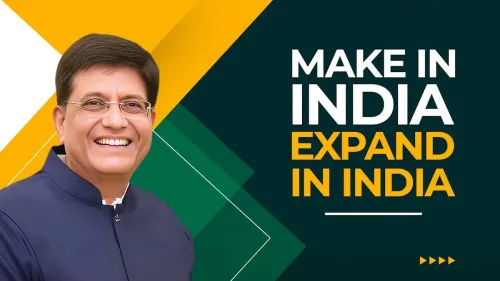
The ideological roots of Goyal's assertion trace directly to the Make in India initiative, launched in September 2014, which invited multinationals to manufacture on Indian soil and raised the manufacturing sector's ambition to a larger share of GDP. The programme opened 25 sectors to focused investment promotion and was accompanied by successive rounds of foreign direct investment (FDI) liberalisation between 2014 and 2020, allowing 100% FDI through the automatic route in most industries.
Building on that foundation, the Production Linked Incentive (PLI) scheme, introduced in 2020, extended output-linked financial incentives across sectors including electronics and pharmaceuticals. The PLI architecture was explicitly designed to make Indian factories competitive enough to serve not just the domestic market but export destinations worldwide — the operational expression of the 'launchpad' logic Goyal invoked on Saturday.
India also liberalised its FDI policy in multiple tranches during this period, signalling to global capital that regulatory barriers were being systematically dismantled.
Stakeholders and Impact
Foreign investors scouting for China-plus-one manufacturing bases are the most immediate audience for this kind of ministerial signalling. Since 2020, supply-chain diversification has become a boardroom priority for firms in semiconductors, consumer electronics, active pharmaceutical ingredients, and textiles — all sectors where India has made targeted policy interventions.
Manufacturing exporters already operating in India stand to benefit from the reputational uplift that comes when a senior cabinet minister frames the country as a global production hub rather than merely a local sales opportunity. For global supply chains, the implication is that India seeks integration as a node of production and export, not just consumption.
Goyal, as Leader of the House in the Rajya Sabha and a senior BJP leader, carries the institutional weight to translate such messaging into legislative and regulatory follow-through — a fact that gives his public statements added credibility with investor audiences.
What's Next
Observers will watch for concrete policy actions that give substance to the 'launchpad' framing, including the next round of PLI scheme expansions and the progress of negotiations on the India-EU Broad-based Trade and Investment Agreement. Any new FDI liberalisation measures or export-incentive announcements from the Commerce Ministry would be read as direct follow-through on the minister's stated vision.
As India continues to court global manufacturers and investors, the frequency and consistency of this messaging from senior ministers will itself be a signal of political will — and a benchmark against which eventual policy outcomes will be measured.
Point of View
Not just a market' — is a deliberate rhetorical upgrade from earlier iterations of India's investment pitch, which leaned heavily on market-size arguments. It signals that the government wants to be evaluated on export performance and supply-chain integration, not merely on domestic consumption potential. This shift aligns with a broader pattern in Indian economic diplomacy since 2020, where supply-chain anxiety among Western and Asian firms has created an opening that New Delhi is keen to institutionalise through both messaging and policy. Whether the launchpad metaphor acquires lasting credibility will depend on how quickly the PLI scheme and trade-agreement pipeline deliver measurable export outcomes.
NationPress
10 Oct 2026
Frequently Asked Questions
What did Piyush Goyal say about India's role in the global economy?
Piyush Goyal stated on 11 July 2026 that 'India is not just a market; India is a launchpad for global growth,' positioning the country as a base for global production and export rather than only a consumer destination.
What is the Make in India initiative?
Make in India is a national programme launched in September 2014 to attract foreign companies to manufacture in India, covering 25 sectors and backed by progressive FDI liberalisation that allowed 100% foreign ownership through the automatic route in most industries.
What is the PLI scheme and how does it relate to India's export ambitions?
The Production Linked Incentive scheme, introduced in 2020, offers output-linked financial incentives to manufacturers in sectors such as electronics and pharmaceuticals, with the explicit goal of making Indian factories competitive enough to serve export markets worldwide.
Why are foreign companies looking at India as a manufacturing base?
Since 2020, multinational firms have sought to diversify supply chains beyond dependence on any single country. India's large workforce, policy reforms, and incentive schemes like PLI have made it an attractive alternative production hub.
What policy developments should be watched after Goyal's statement?
Key milestones include the next round of PLI scheme expansions and the ongoing negotiations on the India-EU Broad-based Trade and Investment Agreement, both of which would give concrete form to the government's 'launchpad' vision.