Goyal: India's FTAs to unlock global markets for Maharashtra industry
Synopsis
Commerce Minister Piyush Goyal says India's FTAs will unlock global market access for Maharashtra's key sectors — textiles, pharma, auto, electronics, gems and jewellery, IT, financial services, and GCCs — with industrial hubs like Ichalkaranji, Pune, Thane-Raigad, and Mumbai set to gain new export opportunities.
Key Takeaways
Commerce Minister Piyush Goyal on 1 August 2026 highlighted FTA benefits specifically for Maharashtra's industrial clusters.
Sectors named: textiles, engineering, pharma, chemicals, auto, electronics, gems and jewellery, financial services, IT, GCCs, and maritime services.
Industrial hubs called out by name: Ichalkaranji , Pune , Thane-Raigad , and Mumbai .
India's FTA portfolio includes deals with the UAE (Feb 2022) and Australia (Dec 2022), with UK and EU negotiations ongoing.
The explicit inclusion of services sectors signals India's FTAs are structured to cover both goods tariffs and services market access.
India's trade architecture is being rewired — and Maharashtra stands to be among the biggest beneficiaries. Union Commerce and Industry Minister Piyush Goyal on Saturday, 1 August 2026 outlined how India's Free Trade Agreements will open new export corridors for the state's most critical industrial sectors, from powerloom towns to pharma corridors.
Posting in Hindi, Goyal said India's FTAs would deliver 'better access to global markets' for Maharashtra's textiles, engineering, pharma, chemicals, auto, electronics, and gems and jewellery sectors. He specifically named Ichalkaranji, Pune, Thane-Raigad, and Mumbai as industrial hubs that would see new export opportunities open up. Financial services, IT, Global Capability Centres (GCCs), and maritime services, he added, would gain global scale as well.
Why Maharashtra's clusters are central to this pitch
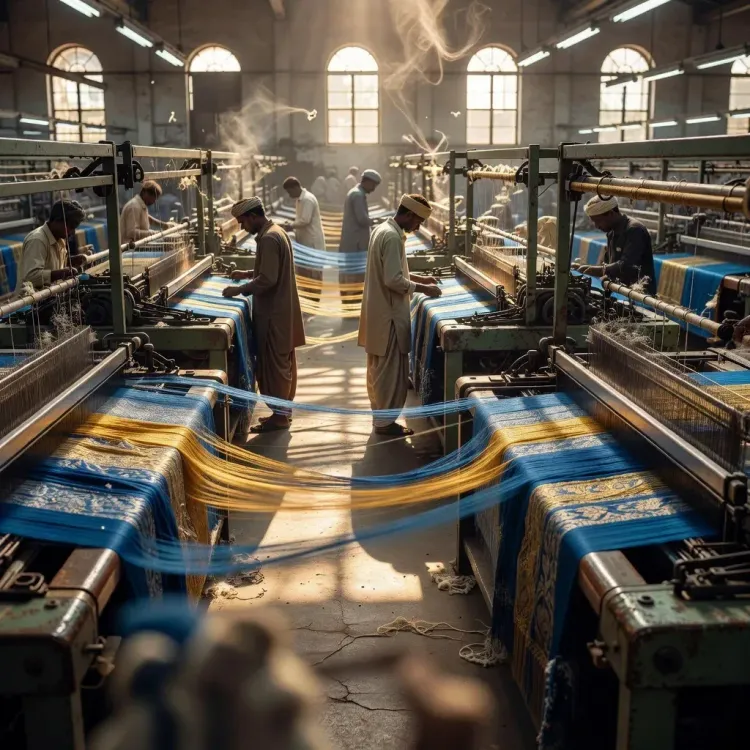
The state is not a peripheral player in India's export story — it is the spine of it. Ichalkaranji, tucked in western Maharashtra, is one of Asia's largest powerloom centres, producing fabric that feeds both domestic and international supply chains. Pune anchors India's auto and engineering belt. The Thane-Raigad corridor hosts dense chemical and pharma manufacturing. And Mumbai is the nerve centre for financial services, gems and jewellery trade, and maritime logistics. When a trade minister maps FTA benefits onto these four clusters specifically, it is a signal that the gains being projected are industrial and concrete — not rhetorical.The FTA playbook India has been building since 2022
India's current FTA push has been methodical. The Comprehensive Economic Partnership Agreement with the UAE was signed in February 2022, giving Indian goods — including textiles and jewellery — preferential access to a key Gulf hub. The India-Australia Economic Cooperation and Trade Agreement entered into force in December 2022, opening pathways for pharma and services exports. Negotiations with the UK and the EU have moved through multiple rounds, with both deals covering not just tariff reductions on goods but dedicated chapters on services and investment — precisely the architecture that benefits Maharashtra's IT firms and GCCs. The consistent thread across these agreements is that India has insisted on services chapters alongside goods schedules, a structure that reflects the dual nature of Maharashtra's economy: a manufacturing powerhouse that also exports knowledge and capital.What the services call-out signals
Goyal's explicit mention of financial services, IT, GCCs, and maritime services alongside manufacturing is notable. GCCs — Global Capability Centres set up by multinational corporations — have expanded rapidly in Pune and Mumbai, and their growth is partly contingent on the regulatory and trade frameworks India negotiates with partner countries. Bringing them into an FTA conversation alongside textile weavers and auto-component makers underscores that India's trade deals are no longer purely about tariff schedules on physical goods. They are about building a rules-based architecture for the full stack of what Maharashtra — and India — actually exports. If the India-UK and India-EU agreements reach conclusion, the downstream impact on Maharashtra's export-oriented clusters could be substantial. The minister has put the state on notice: the runway is being built.Point of View
India's most industrially diverse state. By naming specific towns like Ichalkaranji and corridors like Thane-Raigad, the minister moves the conversation from abstract trade policy to ground-level industrial benefit, a framing that serves both the BJP's electoral interests in Maharashtra and the broader Atmanirbhar Bharat export narrative. The bundling of GCCs and maritime services with traditional manufacturing signals that India's trade diplomacy has matured beyond simple tariff bargaining. The open question remains whether the India-UK and India-EU deals — the two agreements with the largest potential upside for Maharashtra's services sector — will reach conclusion in a timeframe that converts this political promise into measurable export growth.
NationPress
1 Aug 2026
Frequently Asked Questions
How will India's FTAs benefit Maharashtra's textile industry?
India's Free Trade Agreements aim to reduce tariffs on Indian textile exports in partner countries, giving clusters like Ichalkaranji — one of Asia's largest powerloom centres — preferential access to markets in the UAE, Australia, and potentially the UK and EU.
Which Maharashtra cities will benefit most from India's FTAs?
Commerce Minister Piyush Goyal specifically named Ichalkaranji, Pune, Thane-Raigad, and Mumbai as industrial hubs set to gain new export opportunities under India's FTA framework.
What is India's current FTA status with the UK and EU?
India-UK FTA negotiations have advanced through multiple rounds since 2022, and India-EU trade agreement talks were relaunched in 2022 after a pause; both deals remain under negotiation as of mid-2026.
What are GCCs and why did Goyal mention them in the FTA context?
Global Capability Centres are offshore operations set up by multinational corporations in India; Goyal's mention signals that India's FTAs include services chapters that could ease regulatory and market-access conditions for GCCs based in cities like Pune and Mumbai.
Which FTAs has India already signed as part of its recent trade push?
India signed a Comprehensive Economic Partnership Agreement with the UAE in February 2022 and the India-Australia Economic Cooperation and Trade Agreement entered into force in December 2022.