Piyush Goyal meets Fresenius CEO on India healthcare tie-up
Synopsis
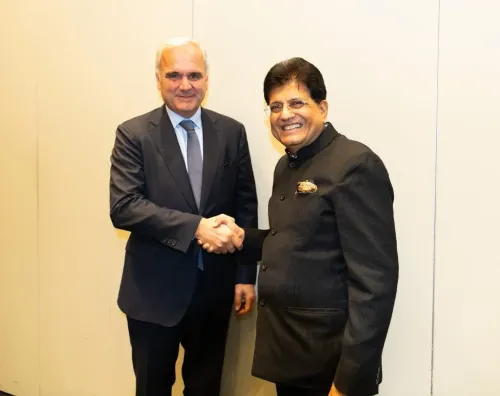
Commerce Minister Piyush Goyal met Fresenius Group CEO Michael Sen on October 23, 2026, to explore deepening collaboration in healthcare, focusing on India's manufacturing strengths, skilled talent, and the potential to serve both domestic and global markets.
Key Takeaways
Piyush Goyal met Michael Sen , CEO of German healthcare giant Fresenius Group , on October 23, 2026 .
Talks centred on leveraging India's manufacturing capabilities, skilled talent, and growing domestic healthcare demand.
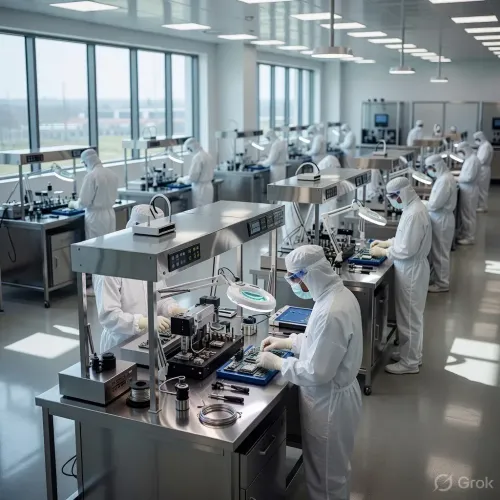
Both sides explored using India as a base to serve domestic and global markets in dialysis, infusion, and medical technologies.
India's PLI scheme for medical devices (notified 2020 ) provides the policy framework designed to attract exactly this kind of partnership.
No specific investment figure or concluded deal has been confirmed; follow-up announcements on facilities or technology transfers remain the key watch-point.
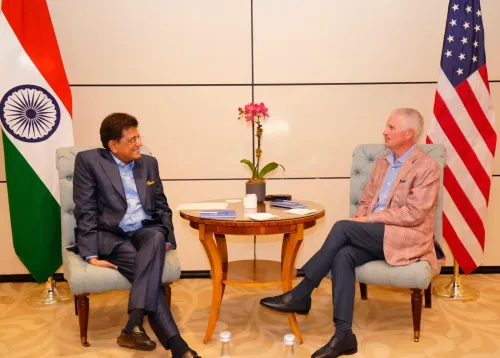
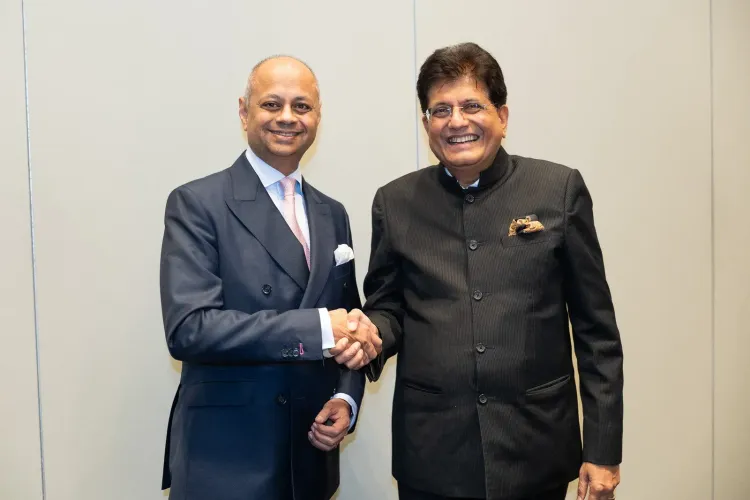
A meeting between Union Commerce and Industry Minister Piyush Goyal and Michael Sen, CEO of German healthcare giant Fresenius Group, on Friday, October 23, 2026, put India's manufacturing ambitions squarely on the table — this time with one of the world's most consequential names in dialysis, infusion therapy, and medical devices.
What Goyal and Sen put on the table
The minister described the interaction as 'fruitful', noting that the two sides 'discussed opportunities to deepen collaboration in healthcare, leveraging India's rapidly expanding healthcare sector, growing demand for quality and affordable medical solutions, and strong manufacturing capabilities.' The conversation also explored how Fresenius could 'harness India's skilled talent and world-class production capabilities to serve both domestic and global markets.'
That last phrase is the one to watch. Serving global markets from an Indian base is no longer diplomatic boilerplate — it is the commercial logic underpinning billions of dollars in proposed FDI across pharmaceuticals and devices.
Why Fresenius, and why now
Fresenius Group, headquartered in Bad Homburg, Germany, operates across dialysis services, hospital networks, generic injectables, and medical technology — making it one of the few healthcare companies with a meaningful footprint in every segment India is trying to either build up or import less of. Germany and India have maintained long-running technology and trade ties in healthcare and engineering, and the post-pandemic reconfiguration of global medical supply chains has given that relationship fresh urgency.
India's vulnerability was exposed sharply during COVID-19, when critical medical equipment — ventilators, PPE, diagnostics — had to be sourced at premium prices from overseas. The policy response was swift: the Production Linked Incentive (PLI) scheme for medical devices, notified in 2020, set out to make India a cost-competitive export hub for high-value equipment, not just a buyer. Partnerships with firms of Fresenius's scale are precisely the kind of investment the scheme was designed to attract.
Make in India's healthcare pitch to the world
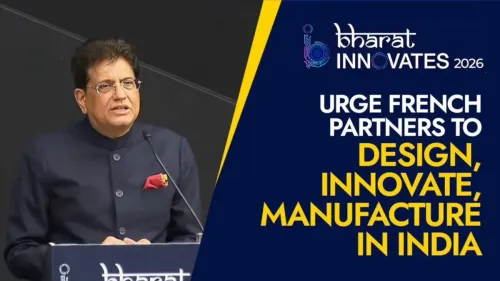
The broader pattern behind this meeting is unmistakable. Under the Make in India and Atmanirbhar Bharat programmes, successive Indian administrations have pursued foreign direct investment and technology transfer in healthcare as a strategic priority. India's cost-competitive manufacturing base, large pool of trained biomedical and engineering talent, and a domestic market of 1.4 billion people with fast-rising healthcare expenditure make the pitch increasingly hard for global firms to ignore.
For a company like Fresenius — which runs the world's largest network of dialysis clinics under its Fresenius Medical Care arm — India represents both a massive unmet demand opportunity and a potential low-cost manufacturing springboard for export into Southeast Asia, Africa, and beyond. Both sides, in other words, have skin in the game.
What comes next for the partnership
No specific investment figure, timeline, or joint-venture announcement emerged from Friday's meeting, and the research record does not confirm any concluded deal. What the minister's account does signal is that the conversation moved beyond pleasantries into concrete operational territory — talent, production capabilities, domestic and export market architecture. The next milestone to watch: whether a formal investment proposal, technology-transfer agreement, or PLI application from Fresenius or an affiliated entity follows in the weeks ahead.
India has been here before with global healthcare majors — the gap between a 'fruitful meeting' and a ground-breaking ceremony can be wide. But Goyal's track record of converting ministerial-level outreach into announced FDI commitments means this one deserves to be tracked closely.
Point of View
Designed to convert India's post-pandemic manufacturing credibility into binding investment commitments. For the government, securing a Fresenius partnership would validate the PLI scheme's pull beyond the pharmaceutical generics space into high-value medical technology. Fresenius, facing margin pressure in its mature Western markets, has clear incentives to anchor low-cost production in India — making this more than a courtesy call. The real test is whether the 'fruitful meeting' language translates into a signed agreement before the next election cycle resets the political calendar.
NationPress
23 Oct 2026
Frequently Asked Questions
Who is Michael Sen, the CEO of Fresenius Group?
Michael Sen is the Chief Executive Officer of Fresenius Group, a German multinational healthcare company with global operations spanning dialysis services, generic injectables, hospital networks, and medical devices.
What is Fresenius Group and what does it do in India?
Fresenius Group is a German healthcare conglomerate headquartered in Bad Homburg. Its most prominent division, Fresenius Medical Care, operates the world's largest network of dialysis clinics. The group has an existing presence in India through its medical care and pharmaceutical arms.
What is India's PLI scheme for medical devices?
India's Production Linked Incentive scheme for medical devices was notified in 2020 to attract investment and incentivise domestic manufacturing of high-value equipment, reducing import dependence and positioning India as a global export hub.
What did Piyush Goyal discuss with Fresenius CEO?
Union Commerce Minister Piyush Goyal discussed deepening collaboration in healthcare, focusing on India's manufacturing capabilities, skilled talent, and opportunities to use India as a base for serving both domestic and global markets in dialysis and medical technologies.
Will Fresenius invest in manufacturing in India?
No formal investment commitment or deal has been announced following the October 23, 2026 meeting. The talks are described as exploratory, with any follow-up investment proposals, technology-transfer agreements, or PLI applications from Fresenius to be watched in the coming weeks.