Goyal Inaugurates L'Oréal Skilling Centre for Women in Mumbai
Synopsis
Union Minister Piyush Goyal on 6 June 2026 inaugurated the L'Oréal India Beauty and Hairdressing Skilling Centre at Kandivali, Mumbai, targeting young women with vocational, entrepreneurial, and digital skills under India's broader Skill India and Viksit Bharat frameworks.
Key Takeaways
Union Minister Piyush Goyal inaugurated the L'Oréal India Beauty and Hairdressing Skilling Centre on 6 June 2026 .
The centre is located at the Atal Bihari Vajpayee Kaushalya Vikas Kendra in Kandivali, Mumbai .
Training covers industry-relevant beauty and hairdressing skills, entrepreneurial capabilities, financial literacy, and digital fluency.
The initiative is positioned within PM Narendra Modi 's 'women-led development' priority and the Viksit Bharat 2047 vision.
The public-private model follows the framework of the Skill India Mission and PMKVY , both launched in 2015 .
Graduates are expected to pursue both employment and self-employment, including independent salon or home-service businesses.
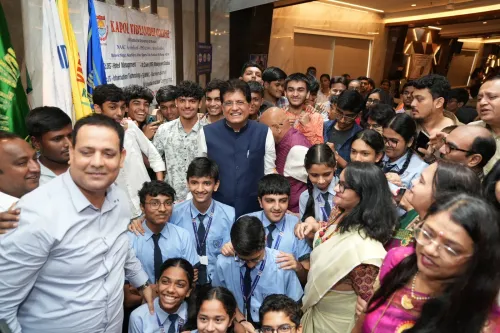
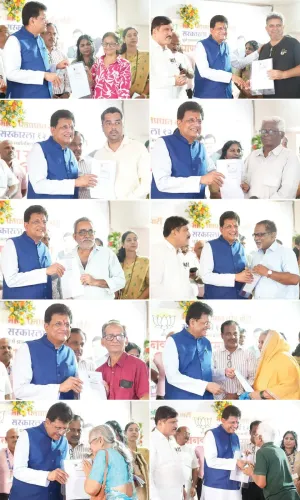
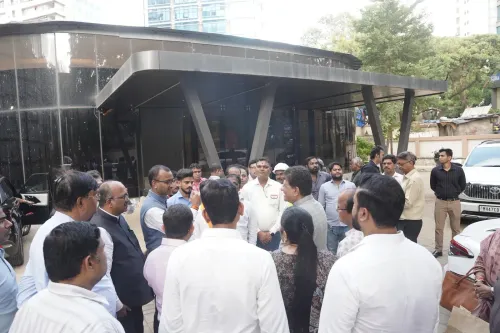
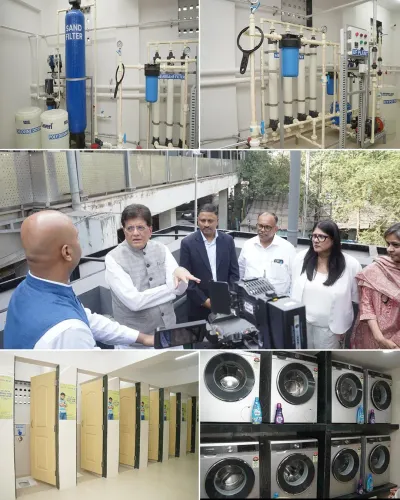
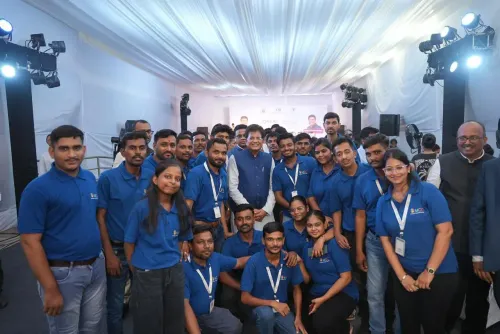
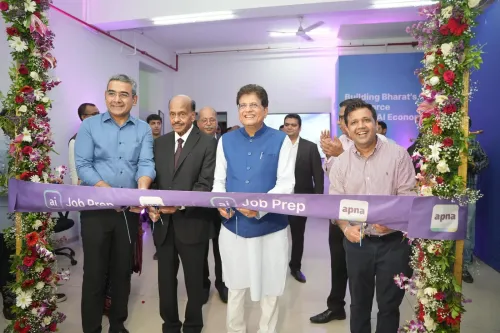
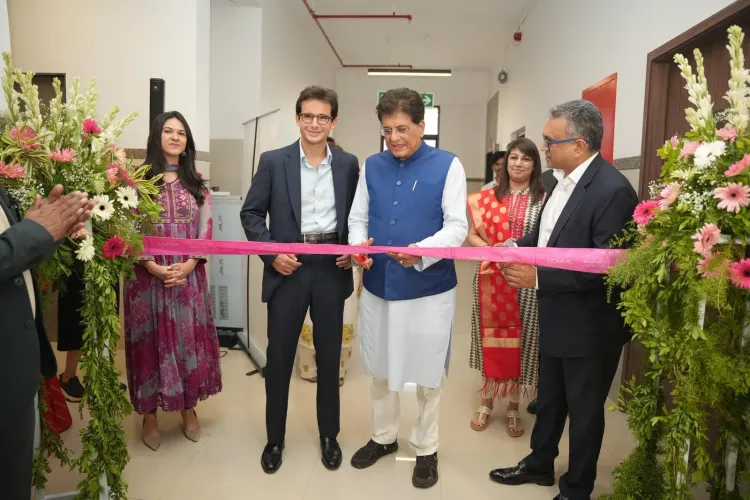
Union Commerce and Industry Minister Piyush Goyal on Saturday, 6 June 2026, inaugurated the L'Oréal India Beauty and Hairdressing Skilling Centre at the Atal Bihari Vajpayee Kaushalya Vikas Kendra in Kandivali, Mumbai, marking a new public-private partnership aimed at equipping young women with industry-relevant vocational skills, entrepreneurial capabilities, financial literacy, and digital fluency.
Context
The inauguration brings together L'Oréal India, the subsidiary of the French cosmetics multinational, and the centrally operated skilling facility named after former Prime Minister Atal Bihari Vajpayee. The centre is designed to train young women in beauty and hairdressing trades, while also building broader business and digital competencies that extend beyond salon work.
Goyal framed the initiative within Prime Minister Narendra Modi's stated priority of 'women-led development', describing the centre as 'creating pathways to economic empowerment and self-reliance through skill development.' He added that many graduates would 'not only secure employment but also emerge as job creators, uplifting their families, communities, and the nation.'
Policy Backdrop
The centre fits within the architecture of the Skill India Mission and the Pradhan Mantri Kaushal Vikas Yojana (PMKVY), both launched in 2015, which scaled short-term vocational training and certification across sectors through public-private partnerships. The Atal Bihari Vajpayee Kaushalya Vikas Kendra in Kandivali operates under these central skilling frameworks.
Industry partnerships of this kind — where corporates contribute curricula and infrastructure while the government provides the facility and outreach — have become a recurring model under successive administrations. The beauty and wellness sector has been identified as a high-absorption trade for women under the National Skill Qualification Framework (NSQF), given its low entry barrier and high self-employment potential.
Stakeholders and Impact
The primary beneficiaries are young women in and around Kandivali, one of Mumbai's densely populated suburban corridors. By combining trade skills with financial literacy and digital fluency, the programme aims to reduce dependence on wage employment alone and encourage micro-entrepreneurship such as independent salons or home-service businesses.
L'Oréal India brings its global professional training standards and product knowledge to the curriculum, potentially improving the employability and earnings premium for graduates in the organised beauty sector. The broader implication, as Goyal noted, is alignment with the Viksit Bharat 2047 vision, which links skill acquisition to self-employment and long-term economic participation.
What's Next
The government has signalled further rollout of sector-specific skilling centres, with alignment to NSQF norms a key benchmark for quality assurance. The success of this centre is likely to be measured by enrolment numbers, certification rates, and placement or self-employment outcomes — data that will inform whether the model is replicated in other urban skilling hubs across the country.
As India's female labour force participation rate remains a policy pressure point, initiatives that combine vocational training with entrepreneurial support represent one of the more concrete levers available to close that gap within the Viksit Bharat framework.
Point of View
The government is attempting to address a persistent criticism of skilling programmes — that certifications lack market credibility. Goyal's emphasis on job creation rather than just employment signals a deliberate pivot toward micro-entrepreneurship as a metric of success for women-focused skilling. If the model proves scalable, it could become a template for sector-specific corporate tie-ups across other Kaushalya Vikas Kendras nationwide.
NationPress
23 Oct 2026
Frequently Asked Questions
What is the L'Oréal India Beauty and Hairdressing Skilling Centre in Kandivali?
It is a vocational training centre inaugurated on 6 June 2026 at the Atal Bihari Vajpayee Kaushalya Vikas Kendra in Kandivali, Mumbai, where young women receive training in beauty, hairdressing, entrepreneurship, financial literacy, and digital skills in partnership with L'Oréal India.
Who inaugurated the L'Oréal skilling centre in Mumbai?
Union Commerce and Industry Minister Piyush Goyal inaugurated the centre on Saturday, 6 June 2026.
What is the Atal Bihari Vajpayee Kaushalya Vikas Kendra?
It is a skill-development facility in Kandivali, Mumbai, named after former Prime Minister Atal Bihari Vajpayee and operated under central government skilling schemes including the Skill India Mission and Pradhan Mantri Kaushal Vikas Yojana.
How does this skilling centre relate to Viksit Bharat?
The centre is aligned with the Viksit Bharat 2047 vision, which links skill acquisition and self-employment to long-term economic growth, with a specific focus on women-led development as a stated priority of Prime Minister Narendra Modi.
What skills will women learn at the L'Oréal India skilling centre?
Participants will be trained in beauty and hairdressing trades, alongside entrepreneurial capabilities, financial literacy, and digital fluency, equipping them for both employment and self-employment.