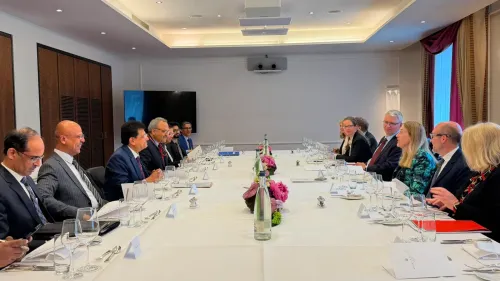
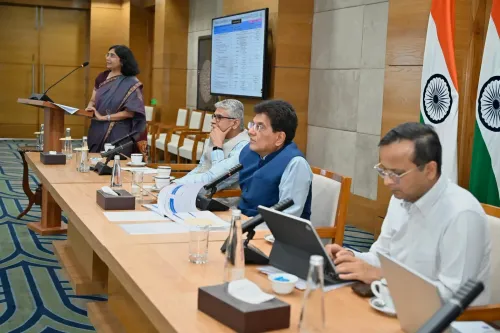
Goyal meets biopharma startups, flags regulatory and patent gaps
Synopsis
Commerce Minister Piyush Goyal engaged India's biopharma and biotech startups on 2 November 2026, identifying regulatory complexity, patent delays, and funding gaps as priority bottlenecks, and calling for coordinated government-industry-research action to scale the country's bioeconomy.
Key Takeaways
Commerce Minister Piyush Goyal met biopharma and biotech startup founders on 2 November 2026 to identify key sector bottlenecks.
Priority pain points identified: regulatory complexity, slow patent approvals, limited funding access, and weak indigenous procurement .
Goyal called for coordinated action across government, industry, and research institutions to help startups scale.
The engagement builds on a decade-long policy arc including Startup India (2016) , the PLI scheme for pharma (2020) , and the National Biotechnology Development Strategy .
BIRAC has supported early-stage biotech startups since 2012, but downstream scale-up support remains a persistent gap.
Possible follow-up actions expected at the next India Bio Summit or in the upcoming Union Budget .
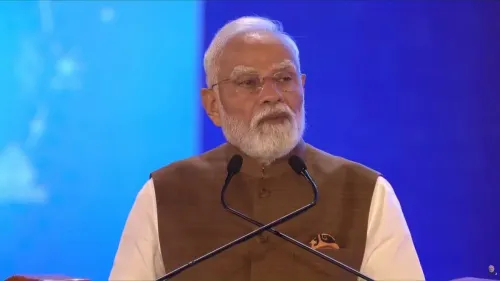
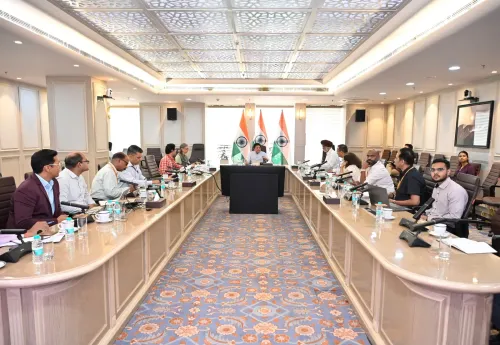
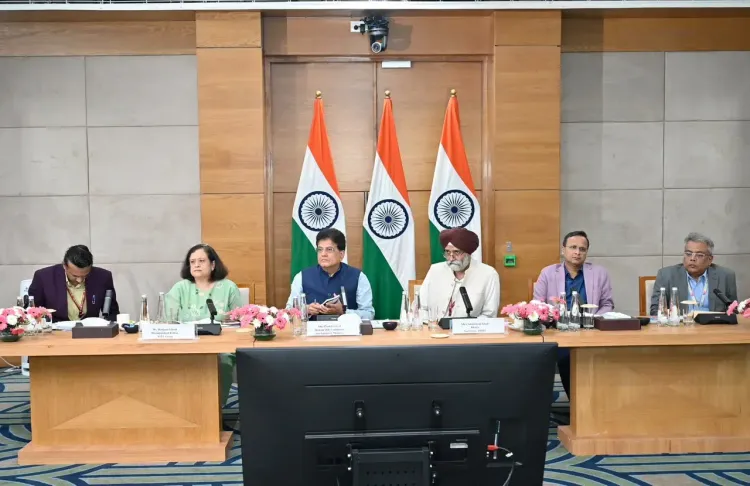
India's biopharma and biotech startups got a direct line to the top on Monday, 2 November 2026, when Union Commerce and Industry Minister Piyush Goyal sat down with founders and innovators to map the friction points slowing one of the country's highest-potential sectors — from clogged patent pipelines to fragmented funding access.
Goyal described the session as a focused conversation on 'coordinated action to simplify regulatory processes, improve access to funding, expedite patent approvals, and strengthen indigenous procurement and research infrastructure.' The framing was deliberate: not a ceremonial meet-and-greet, but a problem-solving exercise aimed at removing the structural bottlenecks that force promising biotech ventures to either stall or look abroad for scale.
Where India's bioeconomy stands — and where it stalls
The timing of the engagement reflects a sector at an inflection point. India has built genuine depth in generic pharmaceutical manufacturing over decades, but the next leap — toward proprietary biologics, precision medicine, and novel biotech platforms — demands a different kind of policy architecture. Regulatory approvals that move at legacy speed, patent examination queues that stretch for years, and procurement systems that still default to imports over domestic innovation are the known choke-points.
The Biotechnology Industry Research Assistance Council (BIRAC), operating under the Department of Biotechnology since 2012, has funded and mentored hundreds of early-stage biotech startups, but industry voices have long argued that downstream handoffs — from proof-of-concept to commercial scale — remain under-supported. The Indian Patent Office has run specialised biotech examination cells and expedited routes since the 2010s, yet backlogs persist, and a startup racing against a funding runway cannot afford a multi-year wait for IP protection.
The policy lineage behind Monday's push
Monday's engagement sits inside a decade-long policy arc. The Startup India initiative, launched in 2016, opened up tax incentives and compliance relief across sectors including life sciences. The Production Linked Incentive (PLI) scheme for pharmaceuticals, announced in 2020, targeted domestic manufacturing and import substitution. The National Biotechnology Development Strategy — running from 2015 and subsequently extended — set explicit targets for bioeconomy growth and indigenous R&D infrastructure. Goyal's language on 'indigenous procurement' slots directly into the Atmanirbhar Bharat framework that has been the connective tissue across these programmes.
What has been missing, founders in the space have argued, is the coordination layer — a single-window logic that ties regulatory clearance, patent timelines, public procurement preference, and research-institution linkages into one coherent experience for a startup trying to move fast. That is precisely the gap Goyal's call for 'coordinated action' between government, industry, and research institutions is aimed at.
What the biopharma sector will be watching next
The meeting's real test will be whether it generates durable policy output or remains a consultative moment. Industry observers will be tracking possible follow-up announcements at the next India Bio Summit or in the upcoming Union Budget — specifically, new guidelines on expedited patent examination for biotech, additional BIRAC funding tranches, or preferential domestic procurement mandates for public-sector health procurement.
Goyal closed with the broader ambition clearly stated: stronger three-way collaboration between government, industry, and research institutions should help innovative startups 'scale and contribute to India's growing bioeconomy.' The direction is set. The sector will now be watching for the specifics that turn a productive room into a faster runway.
Point of View
While numerous, have not delivered a seamless end-to-end experience for startups. Coming ahead of a likely Union Budget cycle, the meeting may be a deliberate pre-Budget signal to the sector that new policy instruments are under consideration. If follow-through materialises on patent-process reform and preferential domestic procurement, it would mark a meaningful acceleration of India's transition from generic-drug exporter to biotech innovator.
NationPress
2 Nov 2026
Frequently Asked Questions
What did Piyush Goyal discuss with biopharma startups in November 2026?
Goyal met biopharma and biotech startup founders to discuss simplifying regulatory processes, improving funding access, expediting patent approvals, and strengthening indigenous procurement and research infrastructure.
What is India's bioeconomy and why does it matter?
India's bioeconomy encompasses biotechnology, biopharma, agri-biotech, and related sectors. Growing it is a government priority as India seeks to move beyond generic drug manufacturing toward higher-value innovation and exports.
What is BIRAC and how does it support biotech startups?
The Biotechnology Industry Research Assistance Council (BIRAC), set up under the Department of Biotechnology in 2012, provides grants, equity, and mentorship to early-stage biotech startups in India.
What are the main bottlenecks for biotech startups in India?
Key challenges include slow regulatory approvals, multi-year patent examination queues, limited access to scale-up funding beyond early stages, and public procurement systems that still favour imports over domestic innovation.
What policy schemes support India's biopharma and biotech sector?
Major initiatives include the Startup India programme (2016), the PLI scheme for pharmaceuticals (2020), and the National Biotechnology Development Strategy, all aimed at easing compliance, boosting domestic manufacturing, and scaling R&D.