Piyush Goyal pushes faster approvals, easier funding to grow India's bioeconomy
Synopsis
Commerce Minister Piyush Goyal chaired a high-level bioeconomy roundtable on 3 November, demanding time-bound action on regulatory sandboxes, single-window clearance, and shared lab infrastructure — with Biopharma SHAKTI from Budget 2026-27 squarely in focus. The key question: whether inter-ministerial coordination improves enough to finally clear the bottlenecks that have long held Indian biopharma startups back.
Key Takeaways
Commerce Minister Piyush Goyal chaired a bioeconomy roundtable in New Delhi on 3 November 2026 .
The event was organised by DPIIT in collaboration with NITI Aayog and the NITI Frontier Tech Hub .
Key demands included a regulatory sandbox , single-window clearance , and simplified patent application processes for startups.
Biopharma SHAKTI , announced in Union Budget 2026-27 , and shared lab and clinical trial infrastructure were central discussion topics.
Participants called for stronger inter-ministerial coordination to resolve sector-specific policy challenges faster.
Goyal sought time-bound action on all roundtable recommendations, underscoring urgency on execution.
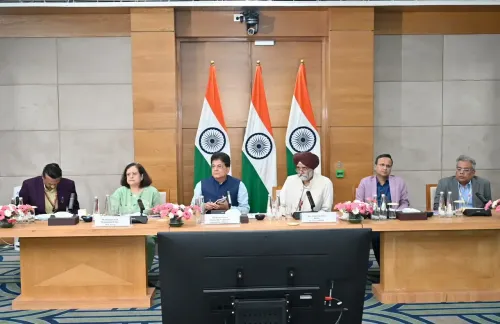
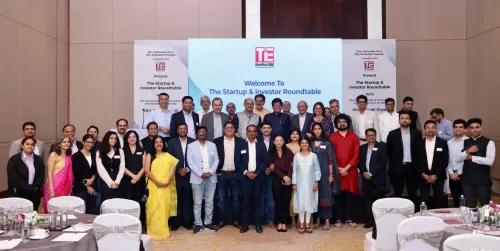
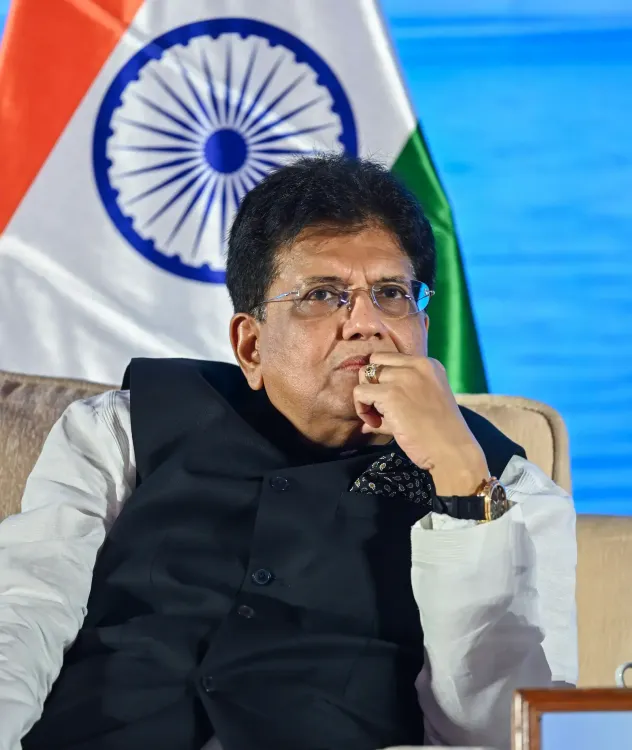
Commerce and Industry Minister Piyush Goyal on Tuesday, 3 November 2026 called for faster regulatory approvals, improved access to finance, and stronger industry-academia collaboration to accelerate India's bioeconomy, according to an official statement from the Commerce Ministry. The minister made these remarks while chairing a high-level roundtable in New Delhi focused on the role of startups in driving bioeconomy innovation and growth.
Key Demands from the Roundtable
Goyal, addressing the event titled 'India's Bioeconomy Opportunity: Role of Startups in Driving Innovation and Growth', stressed leveraging the country's scientific capabilities and entrepreneurial talent to position India as a global leader in the sector. He called for time-bound action on all recommendations emerging from the discussions, signalling impatience with slow follow-through on policy commitments.
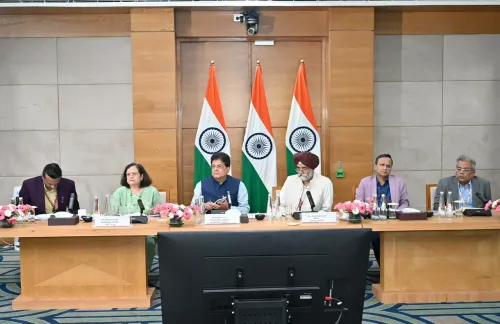
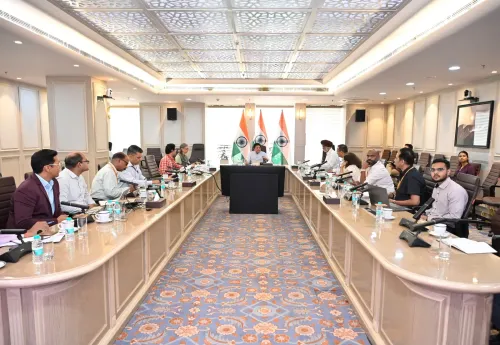
The roundtable was organised by the Department for Promotion of Industry and Internal Trade (DPIIT) in collaboration with NITI Aayog and the NITI Frontier Tech Hub. Participants deliberated on a proposed regulatory sandbox, single-window clearance, global regulatory alignment, and simplified patent application processes to help startups scale up faster.
Biopharma SHAKTI and Shared Infrastructure
Discussions also covered Biopharma SHAKTI — announced in the Union Budget 2026-27 — and the need to develop shared laboratories, testing facilities, and clinical trial infrastructure to bring down costs for early-stage biopharma startups. Expediting customs clearance for laboratory equipment and reagents, and simplifying access to government schemes, were identified as near-term priorities.
What Experts Said
Debjani Ghosh, Distinguished Fellow at NITI Aayog, highlighted the importance of collaboration among startups, industry, academia, and government in building a globally competitive bioeconomy. Gobardhan Das, NITI Aayog Member, stressed the need to strengthen research capabilities and translate scientific discoveries into commercially viable products.
Inter-Ministerial Coordination in Focus
'Participants emphasised the need for stronger inter-ministerial coordination to facilitate coherent policy interventions and ensure faster resolution of sector-specific challenges,' according to the Commerce Ministry statement. This points to a persistent structural challenge: India's bioeconomy policy cuts across health, science, commerce, and agriculture ministries, making siloed action a recurring obstacle. Notably, this roundtable comes as India's bioeconomy is reportedly on track to reach significant scale, yet regulatory bottlenecks and funding gaps remain the most frequently cited barriers by startups in the sector.
What Comes Next
The ministry is expected to follow up with time-bound recommendations from the roundtable, with action on single-window clearance and the regulatory sandbox likely to be the earliest test of intent. Industry bodies and startup founders will be watching closely to see whether Tuesday's deliberations translate into measurable policy movement.
Point of View
But the roundtable format has a credibility problem: similar gatherings over the past decade have produced recommendations that stalled in inter-ministerial limbo. Goyal's demand for time-bound action is the right instinct, but without a named nodal authority and a public scorecard, it risks becoming another communiqué with no follow-up. The inclusion of Biopharma SHAKTI from Budget 2026-27 is encouraging — it means there is at least a budgetary hook — yet shared infrastructure and regulatory sandboxes require sustained execution across health, science, and commerce ministries simultaneously. Until that coordination challenge is solved structurally, not just rhetorically, India's biopharma startups will keep citing the same barriers at the next roundtable.
NationPress
3 Nov 2026
Frequently Asked Questions
What did Piyush Goyal say at the bioeconomy roundtable?
Commerce and Industry Minister Piyush Goyal called for faster regulatory approvals, improved startup funding access, and stronger industry-academia collaboration to grow India's bioeconomy. He also demanded time-bound action on all recommendations from the roundtable held on 3 November 2026 in New Delhi.
What is Biopharma SHAKTI?
Biopharma SHAKTI is an initiative announced in the Union Budget 2026-27 aimed at strengthening India's biopharma startup ecosystem. The roundtable discussed how to operationalise it through shared laboratories, testing facilities, and clinical trial infrastructure to reduce costs for early-stage startups.
Who organised the bioeconomy roundtable?
The roundtable was organised by the Department for Promotion of Industry and Internal Trade (DPIIT) in collaboration with NITI Aayog and the NITI Frontier Tech Hub. It brought together startup founders, industry representatives, and senior government officials.
What policy changes were proposed for biopharma startups?
Participants proposed a regulatory sandbox, single-window clearance, global regulatory alignment, and simplified patent application processes. They also called for faster customs clearance for lab equipment and reagents, and easier access to government schemes.
Why does inter-ministerial coordination matter for India's bioeconomy?
India's bioeconomy policy spans multiple ministries — health, science, commerce, and agriculture — making coordinated action essential but historically difficult. Participants at the roundtable stressed stronger inter-ministerial coordination to ensure coherent policy and faster resolution of sector-specific challenges.