GreenLine deploys electric trucks for Kirloskar Ferrous logistics in Navi Mumbai
Synopsis
GreenLine Mobility Solutions, backed by the Essar Group and already running over 1,200 LNG and electric trucks across India, has flagged off electric vehicles at Kirloskar Ferrous' Taloja plant — bringing commercial-scale electric freight into ferrous metal supply chains and testing whether industrial India is ready to move beyond diesel at scale.
Key Takeaways
GreenLine Mobility Solutions and Kirloskar Ferrous Industries (KFIL) have partnered to deploy electric trucks at KFIL's plant in Taloja, Navi Mumbai .
GreenLine operates a fleet of over 1,200 LNG and electric heavy commercial trucks across India's major freight corridors.
The company's fleet has collectively travelled more than 100 million kilometres , reportedly reducing over 30,000 tonnes of CO₂ emissions.
GreenLine CEO Madhur Taneja positioned electric trucks as complementary to LNG vehicles, suited to shorter or inter-facility logistics.
The deployment targets sectors including steel, cement, mining, FMCG, and chemicals.
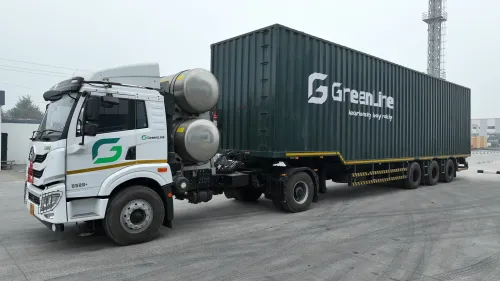
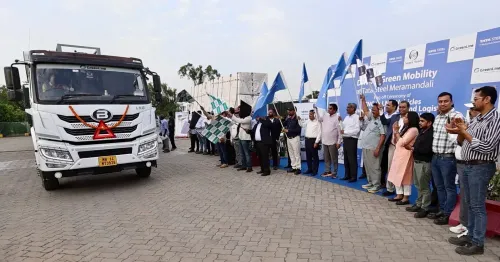
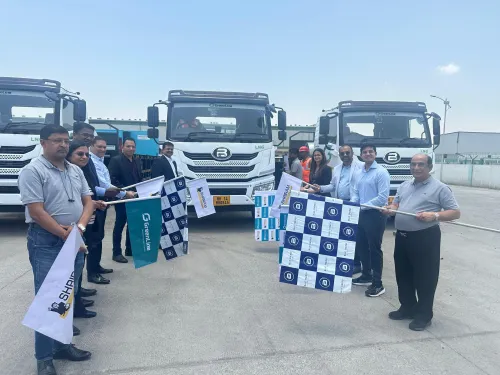
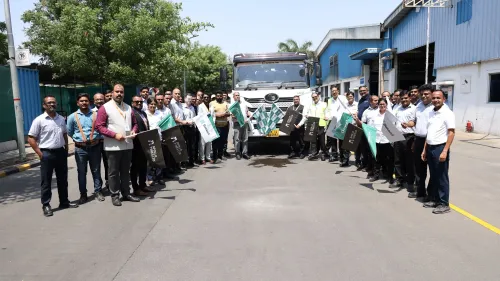
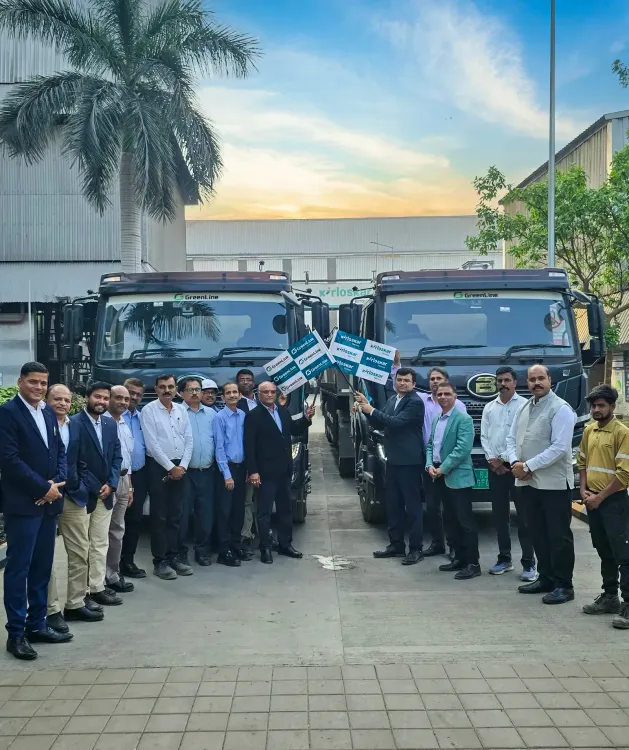
GreenLine Mobility Solutions Ltd., an Essar Group venture, has partnered with Kirloskar Ferrous Industries Limited (KFIL) to deploy electric heavy commercial trucks for the company's logistics operations, marking a fresh step in industrial freight decarbonisation. The flag-off of electric trucks took place at Kirloskar Ferrous' plant in Taloja, Navi Mumbai, Maharashtra on 12 November 2026.
What the Partnership Covers
The collaboration deploys GreenLine's electric trucks to support inter-plant and goods transportation for Kirloskar Ferrous Industries, integrating lower-emission vehicles into an established industrial supply chain. The flag-off at the Taloja facility signals the formal start of electric mobility operations within KFIL's logistics network.
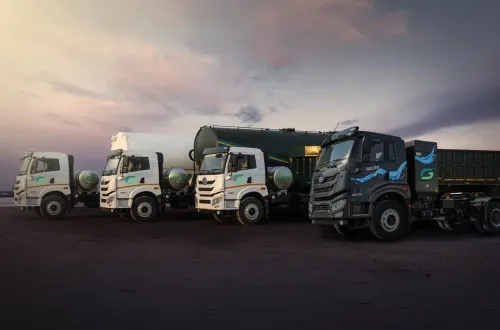
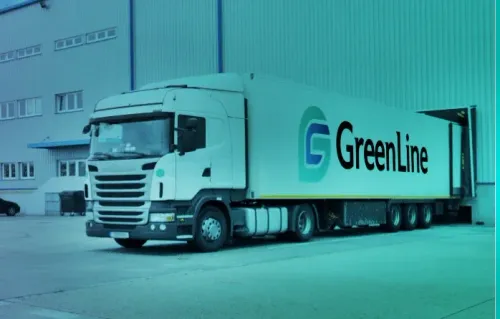
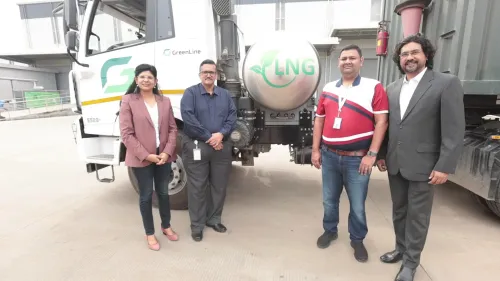
This deployment adds to GreenLine's portfolio, which already includes liquefied natural gas (LNG)-powered trucks for long-haul freight alongside its growing electric fleet. The company positions the two fuel alternatives as complementary — LNG for long-distance corridors, electric for applications suited to shorter or inter-facility routes.
What GreenLine and KFIL Said
Madhur Taneja, Chief Executive Officer of GreenLine Mobility Solutions, said: 'At GreenLine, we are focused on advancing lower-emission freight transportation through solutions suited to different logistics requirements. LNG continues to play an important role in our approach to decarbonising long-haul transportation, while electric trucks offer opportunities in applications suited to electric mobility. Our partnership with Kirloskar Ferrous marks a further step in expanding our electric truck deployments and working with businesses to integrate cleaner transportation solutions into their supply chains.'
The KFIL leadership team echoed that framing, stating: 'Electrifying inter-plant logistics is where sustainability meets operational excellence, driving higher efficiency, lower costs and a cleaner future.'
GreenLine's Fleet and Emission Track Record
GreenLine currently operates a fleet of over 1,200 vehicles across major freight corridors in India, serving sectors including steel, cement, mining, FMCG, and chemicals. According to the company, its fleet has collectively covered more than 100 million kilometres, helping customers reduce over 30,000 tonnes of CO₂ emissions cumulatively.
The Kirloskar Ferrous deal is the latest in a series of industrial partnerships that GreenLine has pursued to expand electric mobility beyond pilot-scale deployments and embed it into mainstream commercial freight operations.
Broader Context: Green Logistics in Indian Industry
India's industrial supply chains are under growing pressure to reduce scope-3 emissions — those generated by transport and distribution — as corporate sustainability commitments tighten and regulatory scrutiny of freight emissions increases. The steel and ferrous metals sector, in particular, faces significant logistical intensity, making it a natural testing ground for lower-emission vehicle deployments.
Notably, this is not GreenLine's first electric truck partnership in heavy industry, but its scale — backed by Essar Group's financial heft — sets it apart from many single-operator pilot programmes that have struggled to achieve commercial scale. How quickly KFIL and GreenLine expand beyond the initial deployment will be a key indicator of viability.
Point of View
30,000 tonnes of CO₂ saved) are cumulative across its entire fleet, not specific to this deployment, which limits the ability to assess KFIL-specific impact. India's green logistics sector has no shortage of announcements; what it lacks is public, verifiable data on cost per tonne, uptime reliability, and total cost of ownership compared with diesel. Until electric truck operators publish those figures, industrial partnerships will generate press releases more reliably than they generate a measurable freight emissions curve.
NationPress
12 Nov 2026
Frequently Asked Questions
What is the GreenLine and Kirloskar Ferrous electric truck partnership?
GreenLine Mobility Solutions and Kirloskar Ferrous Industries have partnered to deploy electric heavy commercial trucks for logistics operations at KFIL's plant in Taloja, Navi Mumbai. The collaboration aims to integrate lower-emission transportation into Kirloskar Ferrous' industrial supply chain.
Where was the electric truck flag-off held?
The flag-off took place at Kirloskar Ferrous Industries' plant in Taloja, Navi Mumbai, Maharashtra. It marked the formal start of electric truck operations within KFIL's goods transportation network.
What is GreenLine Mobility Solutions and who owns it?
GreenLine Mobility Solutions Ltd. is an Essar Group venture and positions itself as India's leading green logistics operator of LNG and electric-powered heavy commercial trucks. It operates over 1,200 vehicles across freight corridors serving steel, cement, mining, FMCG, and chemicals sectors.
How much CO₂ has GreenLine's fleet reportedly saved?
According to the company, its fleet has collectively travelled more than 100 million kilometres and helped customers reduce over 30,000 tonnes of CO₂ emissions. These figures cover GreenLine's entire fleet, not solely the Kirloskar Ferrous deployment.
Why is electric freight relevant for India's industrial sector?
Industrial supply chains in India face growing pressure to cut scope-3 emissions from freight and distribution, particularly in energy-intensive sectors like steel and ferrous metals. Electric trucks offer a lower-emission alternative for inter-facility and shorter-corridor logistics, where range limitations are less of a constraint.