Rajendra Gudha collapses after 22-km march against Islampur renaming

Synopsis
A former Rajasthan minister collapsed from heat exhaustion after marching 22 kilometres in 45-degree temperatures to oppose renaming Islampur as Shrirampur — yet refused hospitalisation. The episode has put a spotlight on a renaming proposal that villagers say ignores nearly 200 years of documented communal history in the Shekhawati region.
Key Takeaways
Former Rajasthan minister Rajendra Gudha collapsed outside the Jhunjhunu Collectorate on 15 June after leading a 22-km foot march against the renaming of Islampur village .
Gudha refused medical treatment despite suffering heat exhaustion in 45-degree temperatures.
Surajgarh MLA Rajendra Bhambu reportedly forwarded a proposal to rename Islampur as Shrirampur to the Chief Minister's Office.
Villagers submitted historical records dating back nearly 200 years , including documents from 1897 , to District Collector Arun Garg opposing the move.
The Collector confirmed the verification process is underway and said any final decision must clear district, state, and Central government approval stages.
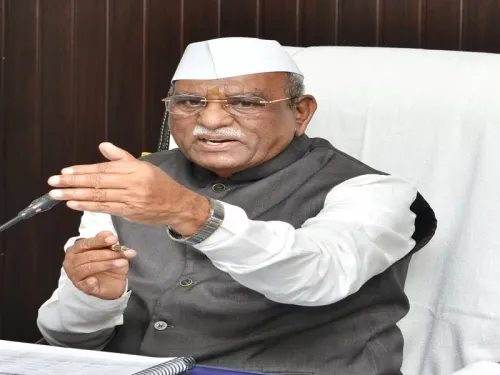
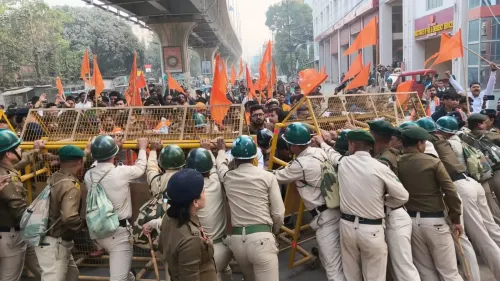
Former Rajasthan minister Rajendra Gudha collapsed outside the Jhunjhunu Collectorate on Monday, 15 June after leading a gruelling 22-kilometre foot march in scorching heat to oppose a proposal to rename Islampur village as Shrirampur. Despite showing signs of heat exhaustion, Gudha refused medical attention and declined hospitalisation.
What Happened at the Collectorate
The protest march began at Islampur on Monday morning and drew a large number of villagers united in opposing the renaming proposal. Upon reaching the Collectorate, Gudha suddenly collapsed on the road amid intense heat and humidity. Supporters immediately rushed to his aid, fanning him with towels and splashing water on his face to revive him.
After regaining composure, Gudha directed his remarks at the administration. 'The administration did not allow us to put up a tent. There is no shade here. How can I sit in comfort when my brothers are standing in 45-degree heat?' he said.
Gudha's Case for Communal Identity
Addressing protesters during the march, Gudha emphasised the village's tradition of communal harmony and argued that renaming it would erase a shared historical identity. Holding the hand of a local resident, he said: 'This is Karma Bhai. He is a Muslim Rajput and I am a Hindu Rajput. We have lived here as brothers for generations. In the history of Shekhawati, Muslims fought alongside Rao Shekha in every battle, and Sufi saint Sheikh Burhan is revered by the community.'
Gudha warned of a precedent he said could not be allowed. 'If they change the village's name today, tomorrow they will change the name of Shekhawati. We will not allow that to happen,' he said.
How the Controversy Began
Surajgarh MLA Rajendra Bhambu reportedly recommended renaming Islampur as Shrirampur and forwarded the proposal to the Chief Minister's Office. The CMO subsequently sought a report from the Jhunjhunu district administration, triggering protests among villagers who launched a campaign against the move.
A delegation of villagers submitted a memorandum to District Collector Arun Garg, accompanied by historical records and documents dating back nearly 200 years — including records from 1897 — to support their claim regarding the village's identity and heritage. Protesters argued the proposed renaming lacked historical justification and disregarded the area's long-standing social and cultural history.
Administration's Response
District Collector Arun Garg confirmed that the administration had received an application seeking the renaming and that the verification process was underway. 'The protesters have submitted old records and documents. Material from all sides will be examined before any decision is taken,' he said.
Garg noted that the renaming process involves multiple stages and approvals — district-level examination, followed by state government consideration, and ultimately, clearance from the Central government. 'No decision will be taken under pressure. The matter will be decided strictly on the basis of facts and available records,' he added.
With the district administration's report still pending and the proposal yet to clear state or central scrutiny, the fate of Islampur's name remains officially undecided.
Point of View
Escalate through administrative channels, and then generate ground-level resistance that the ruling party must manage carefully. What is notable here is the source of opposition — a former minister from within the broader political ecosystem invoking Shekhawati's syncretic history, not an opposition party alone. The administration's insistence on 'facts and records' is procedurally correct, but the political temperature around such proposals rarely cools through paperwork. If the district report endorses the renaming, it will face a far more organised resistance than Monday's march.
NationPress
14 Sept 2026
Frequently Asked Questions
Why did Rajendra Gudha collapse during the march?
Rajendra Gudha collapsed from heat exhaustion after leading a 22-kilometre foot march in approximately 45-degree temperatures outside the Jhunjhunu Collectorate on 15 June. Despite being revived by supporters, he refused medical treatment or hospitalisation.
What is the Islampur renaming controversy in Rajasthan?
Surajgarh MLA Rajendra Bhambu reportedly recommended renaming Islampur village in Jhunjhunu district as Shrirampur and forwarded the proposal to the Chief Minister's Office. Villagers and former minister Rajendra Gudha oppose the move, arguing it ignores the village's nearly 200-year communal history.
What evidence did villagers submit against the renaming?
A delegation of villagers submitted a memorandum to District Collector Arun Garg along with historical records and documents dating back nearly 200 years, including records from 1897, to support their claim regarding Islampur's identity and heritage.
What is the current status of the Islampur renaming proposal?
The Jhunjhunu district administration has confirmed it is in the process of verifying the application. District Collector Arun Garg said all submitted material will be examined, and the proposal must subsequently clear state government and Central government approval before any renaming can take effect.
Who is Rajendra Gudha and why is he opposing the renaming?
Rajendra Gudha is a former Rajasthan minister who argues that renaming Islampur would erase the village's long-standing tradition of communal harmony between Hindu and Muslim Rajput communities in the Shekhawati region. He cited historical ties including Muslims fighting alongside Rao Shekha and the veneration of Sufi saint Sheikh Burhan.