Gujarat CM Bhupendra Patel holds presser on delayed, deficient rain
Synopsis
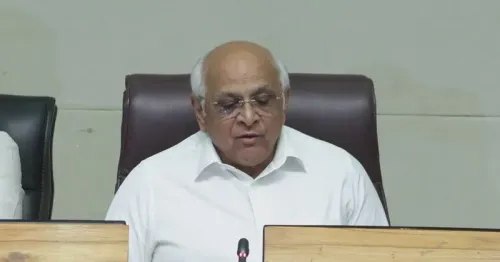
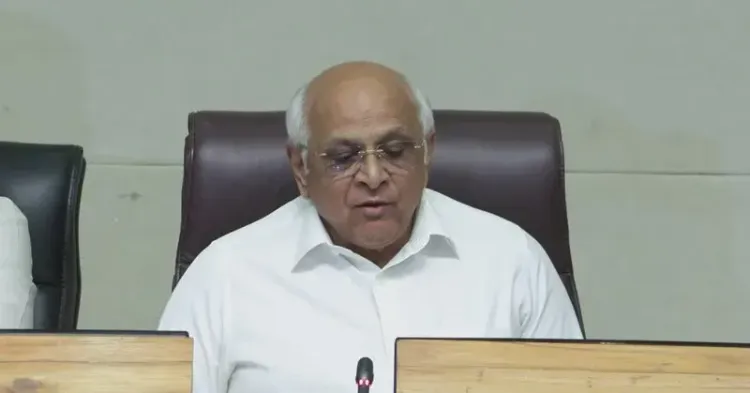
Gujarat Chief Minister Bhupendra Patel held a live press conference on 26 October 2026 to address delayed and deficient rainfall across the state, signalling the activation of the government's agrarian and water-resource crisis response framework.
Key Takeaways
Gujarat CM Bhupendra Patel convened a live press conference on 26 October 2026 specifically on the state's delayed and deficient monsoon.
The Chief Minister's Office of Gujarat broadcast the event live on X, indicating a formal public communication of the weather situation.
Gujarat's farming belt — including Saurashtra and North Gujarat — grows kharif crops heavily dependent on southwest monsoon timing and volume.
Administrative follow-through typically includes crop damage surveys, possible drought declarations for affected talukas, and reservoir management reviews.
The press conference may precede a formal request for central assistance under the National Disaster Response Fund if conditions warrant.
Farmers and rural communities are the primary stakeholders awaiting concrete relief timelines from the state government.
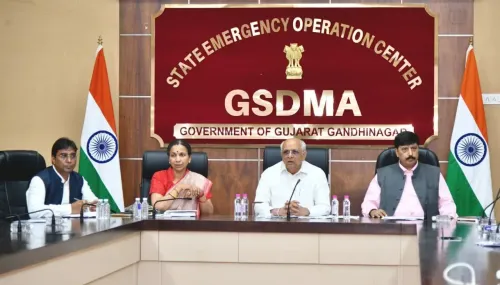
Gujarat is watching its skies anxiously — and on Monday, 26 October 2026, Chief Minister Bhupendra Patel stepped before the cameras to address the state's growing concern over delayed and below-normal rainfall. The Chief Minister's Office of Gujarat broadcast the press conference live, signalling that the situation had crossed the threshold of routine monitoring into a matter requiring direct public communication.
The CMO's post, in Gujarati, announced the live press conference as: 'રાજ્યમાં વિલંબિત અને ઓછા વરસાદ સંદર્ભે' — 'regarding delayed and deficient rainfall in the state.' The decision to go live underscores how seriously the administration is treating the shortfall.
Why deficient monsoon hits Gujarat harder
Gujarat's agricultural economy is heavily tied to the southwest monsoon. Much of the state's farming belt — from Saurashtra to North Gujarat — depends on seasonal rainfall for kharif crops like groundnut, cotton, and pulses. When the monsoon delays or underperforms, reservoir levels dip, sowing schedules are disrupted, and rural distress builds quickly. For the state government, early and transparent communication is not just good optics — it is the first line of administrative response. Chief Minister Bhupendra Patel, who has helmed the state since 2021, has previously navigated weather-related crises through a combination of rapid field surveys, coordination with district administrations, and requests for central assistance where warranted. A press conference of this nature typically precedes formal administrative steps: crop damage assessments, possible drought declarations for affected talukas, and relief disbursements to affected farmers and rural communities.What a press conference like this sets in motion
In Gujarat's administrative playbook, a Chief Minister-level public address on rainfall deficiency usually signals that district-level data has been collated and a state response framework is being activated. Watchers will now look for announcements on whether specific districts are to be flagged for drought relief, how reservoir storage is being managed heading into the dry season, and whether the state intends to approach the Centre for additional support under the National Disaster Response Fund. Farmers and rural communities — the most immediate stakeholders — will be listening for concrete relief timelines. Gujarat's political economy means agrarian distress carries electoral as well as humanitarian weight, and a CM-level presser carries the implicit promise of follow-through. The broadcast marks the start of an accountability clock — the state's next moves on relief, survey, and resource mobilisation will be measured against what CM Patel said today.Point of View
Farmers, and opposition alike that the state is not in denial about agrarian stress. For Bhupendra Patel, managing weather-linked rural distress is a recurring and politically consequential test, given Gujarat's large farming constituency. The press conference format also creates a public record of the government's awareness, which matters if formal drought declarations or relief disbursements are challenged later. Analysts will judge the administration not by the presser itself, but by the speed and scale of the administrative machinery it sets in motion.
NationPress
26 Oct 2026
Frequently Asked Questions
Why did Gujarat CM Bhupendra Patel hold a press conference on rainfall in October 2026?
Chief Minister Bhupendra Patel held the press conference to publicly address the issue of delayed and deficient rainfall in Gujarat in October 2026 , signalling that the state government is assessing the impact and preparing a response for affected farmers and communities.
How does deficient monsoon affect Gujarat's farmers?
Gujarat's kharif crops — including groundnut, cotton, and pulses grown across Saurashtra and North Gujarat — depend on adequate and timely southwest monsoon rains. Deficient or delayed rainfall disrupts sowing, reduces yields, lowers reservoir levels, and can trigger widespread rural distress.
What steps can the Gujarat government take after declaring a rainfall deficiency?
The state government can order crop damage surveys, declare drought in affected talukas, activate district-level relief mechanisms, manage reservoir water allocation, and request additional funds from the Centre through the National Disaster Response Fund .
Who is Bhupendra Patel and how long has he been Gujarat's Chief Minister?
Bhupendra Patel has served as Chief Minister of Gujarat since 2021 . He is responsible for state-level governance including agricultural relief, water resource management, and crisis communication on environmental challenges.
What is the significance of the CMO Gujarat broadcasting the press conference live on X?
Broadcasting the press conference live on X by the Chief Minister's Office of Gujarat signals transparency and urgency — it allows farmers, media, and the public to hear the government's position directly, and creates an official record of the administration's awareness of the rainfall crisis.