Gujarat to deploy 8,925 Turtle Excluder Devices in fishing nets under ₹20.96 crore PMMSY plan
Synopsis
Gujarat is set to receive 8,925 Turtle Excluder Devices — the highest allocation for any Indian state — under a ₹20.96 crore central scheme. The move is simultaneously a conservation measure and a trade fix: US import restrictions on wild-caught Indian shrimp have made TED compliance a market-access necessity, directly linking sea turtle protection to fishermen's export earnings.
Key Takeaways
Gujarat will install 8,925 Turtle Excluder Devices (TEDs) in fishing nets under the Pradhan Mantri Matsya Sampada Yojana .
The initiative is valued at ₹20.96 crore , with 100 per cent government assistance — devices are free for all eligible fishermen.
Gujarat's allocation is the highest approved for any Indian state , according to the state government.
The TED model was developed by ICAR-CIFT, Kochi , in line with US NOAA global specifications.
Gujarat is among nine coastal states that have amended their Marine Fisheries Regulation Acts to mandate TED use.
The scheme addresses US import restrictions on wild-caught Indian shrimp tied to sea turtle protection compliance.
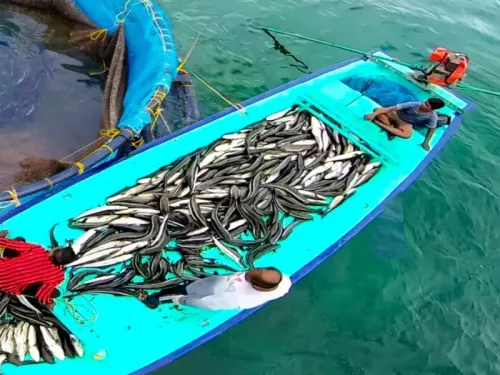
Gujarat will install 8,925 Turtle Excluder Devices (TEDs) in fishing nets across the state under the Pradhan Mantri Matsya Sampada Yojana (PMMSY), in a ₹20.96 crore initiative designed to reduce the accidental capture of sea turtles while strengthening the state's shrimp export credentials. The announcement, made on Saturday, 29 August, marks the first time TEDs will be distributed to fishermen in Gujarat.
What the Scheme Covers
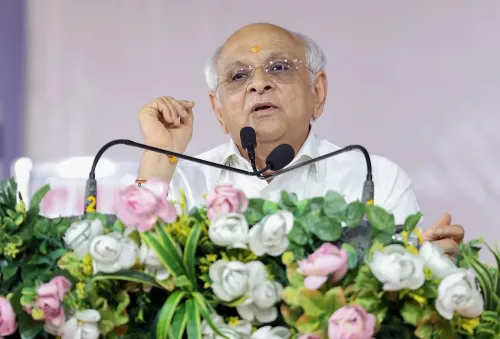
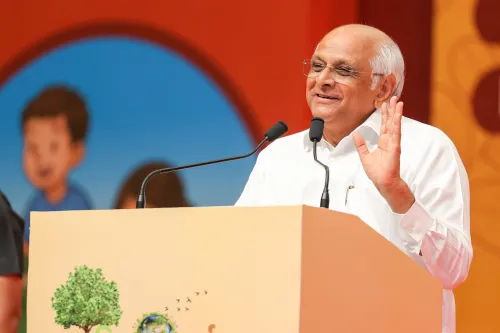
Fisheries Minister Jitu Vaghani confirmed that all 8,925 fishermen receiving the devices will do so free of cost, with 100 per cent government assistance under PMMSY. 'The use of Turtle Excluder Devices will ensure sea turtles can safely escape fishing nets during fishing operations,' Vaghani said.
The TED model being deployed has been developed by ICAR-Central Institute of Fisheries Technology (CIFT), Kochi, in accordance with global specifications set by the US National Oceanic and Atmospheric Administration (NOAA). The Union government has approved 8,925 TED units for Gujarat — the highest number sanctioned for any single state, according to the state government.
How a TED Works
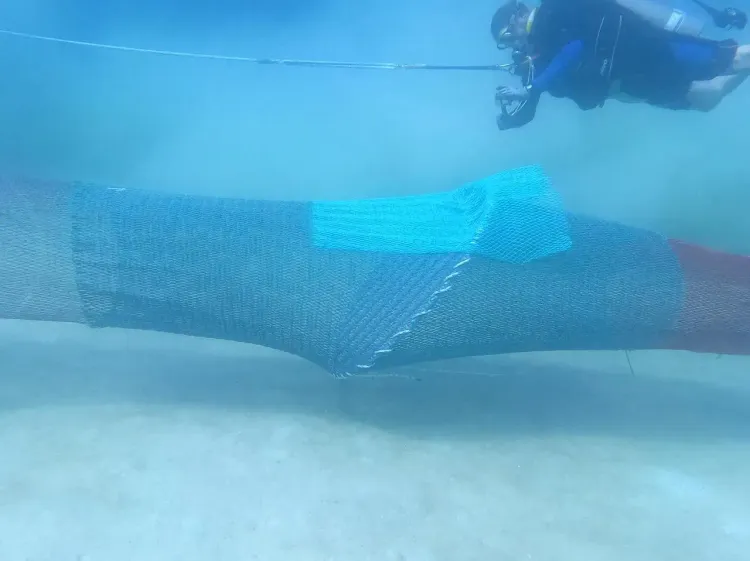
A Turtle Excluder Device is a specialised mechanism fitted inside shrimp trawl nets. It allows shrimp to remain in the net while providing larger marine animals — including sea turtles — an escape route through an opening fitted with an exit flap. The device directly reduces turtle mortality caused by accidental entanglement during commercial fishing operations.
Gujarat holds the distinction of having India's longest coastline and is one of the country's foremost fisheries-producing states, making it a natural priority for the rollout.
The Export Dimension
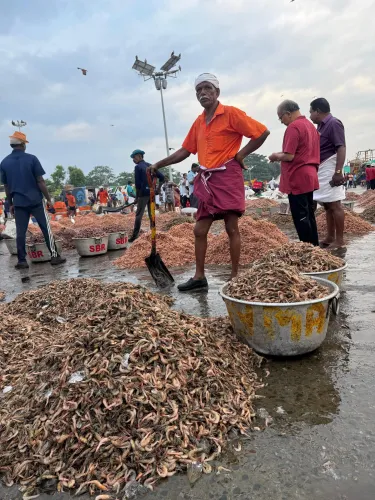
The initiative carries significant trade implications. According to officials, restrictions imposed by the United States on imports of wild-caught shrimp from India — over concerns about sea turtle protection during fishing — have created compliance pressure on Indian fisheries. The government expects TED adoption to help Gujarat's shrimp industry meet certification requirements of international markets, including the US, and expand seafood export access.
Officials noted that increased market access could improve earnings for both fishermen and seafood exporters, connecting conservation goals directly to economic outcomes.
Regulatory and Policy Context
The Centre had earlier advised all coastal states and Union Territories to review their marine fisheries regulations concerning wild shrimp harvesting and TED use. Gujarat is among the nine coastal states that have since amended their Marine Fisheries Regulation Acts to make TED use mandatory.
This comes amid growing international scrutiny of India's seafood supply chains, with conservation compliance increasingly tied to market access in the US and the European Union. Officials described the initiative as a contribution to marine biodiversity conservation under the broader framework of the state's Blue Economy strategy.
What Comes Next
Distribution of the devices to eligible fishermen is expected to proceed under PMMSY's existing implementation framework. Industry observers note that the real test will be adoption rates on the water — TEDs require proper installation and use to be effective, and training support for fishermen will be critical to the programme's conservation and trade outcomes.
Point of View
Despite the state holding India's longest coastline, raises questions about why compliance took this long. The real accountability test is implementation: TEDs must be correctly fitted and used on every trawl, and past conservation schemes in Indian fisheries have struggled at the last mile. Approval numbers and installation numbers are rarely the same figure.
NationPress
13 Oct 2026
Frequently Asked Questions
What is a Turtle Excluder Device (TED) and how does it work?
A Turtle Excluder Device is a specialised mechanism fitted inside shrimp trawl nets that allows shrimp to remain in the net while giving larger marine animals, including sea turtles, an escape route through an exit flap. It is designed to reduce turtle mortality caused by accidental capture during commercial fishing operations.
Why is Gujarat installing Turtle Excluder Devices in fishing nets?
Gujarat is installing 8,925 TEDs to protect sea turtles and to comply with international seafood trade requirements. The United States has imposed restrictions on imports of wild-caught shrimp from India over concerns about sea turtle protection, making TED adoption a prerequisite for market access.
Who will fund the TED distribution in Gujarat?
The initiative is fully funded by the Centre under the Pradhan Mantri Matsya Sampada Yojana, with 100 per cent government assistance. All 8,925 eligible fishermen will receive the devices free of cost, under a ₹20.96 crore outlay.
Which body developed the TED model being used in Gujarat?
The TED model has been developed by ICAR-Central Institute of Fisheries Technology (CIFT), Kochi, in accordance with global specifications set by the US National Oceanic and Atmospheric Administration (NOAA).
How does this initiative affect Gujarat's shrimp export sector?
TED adoption is expected to help Gujarat's shrimp industry meet the certification requirements of the US and other international markets, potentially expanding seafood export access and improving earnings for fishermen and exporters. Officials described it as a key plank of the state's Blue Economy strategy.