Gujarat to deploy 18 phacoemulsification machines for free cataract surgery
Synopsis
Gujarat has sanctioned ₹8.85 crore to place 18 state-of-the-art phacoemulsification machines across government hospitals in nine cities — bringing precision cataract surgery technology, previously a private-sector privilege, within free reach of public patients. The M and J Institute of Ophthalmology alone gets seven units, signalling a clear hub-and-spoke eye-care strategy.
Key Takeaways
Gujarat will receive 18 phacoemulsification machines for cataract surgery at a cost exceeding ₹8.85 crore .
The procurement was approved by Health Minister Praful Pansheriya on 15 October 2026 .
Machines will be distributed across 9 cities : Ahmedabad, Surat, Bhavnagar, Vadodara, Jamnagar, Morbi, Gandhinagar, Vadnagar, and Himmatnagar.
The M and J Institute of Ophthalmology , Ahmedabad, receives the largest share — 7 machines .
The equipment features CASE technology , elliptical handpiece movement, and a peristaltic pump for greater surgical precision and faster patient recovery.
All surgeries using this equipment will be provided free of cost to patients.
Gujarat government hospitals and medical colleges are set to receive 18 advanced phacoemulsification machines for cataract surgeries, at an estimated cost of over ₹8.85 crore, after state Health Minister Praful Pansheriya approved the procurement on Thursday, 15 October 2026. The equipment will be distributed across institutions in nine cities — Ahmedabad, Surat, Bhavnagar, Vadodara, Jamnagar, Morbi, Gandhinagar, Vadnagar, and Himmatnagar — enabling patients to access modern eye treatment free of cost.
Distribution Across Key Hospitals
The largest allocation goes to the M and J Institute of Ophthalmology in Ahmedabad, which will receive seven machines. Government Medical College in Bhavnagar and GMERS Hospital in Morbi will each receive two machines.
One machine each has been allocated to New Civil Hospital and Old Civil Hospital in Surat, GG General Hospital in Jamnagar, ESIC General Hospital in Vadodara, and GMERS institutions in Gandhinagar, Vadnagar, and Himmatnagar.
What the Technology Offers
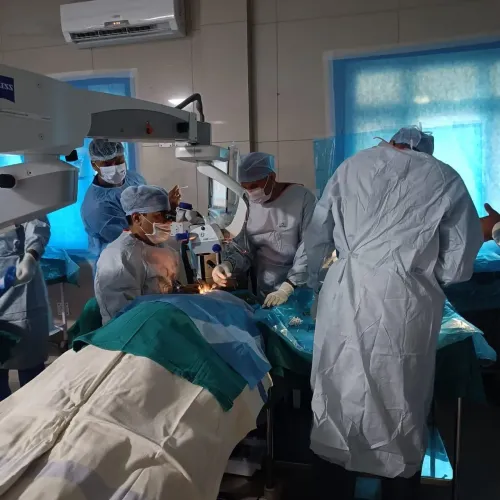
Phacoemulsification is the current global standard for cataract removal, using precisely controlled ultrasound energy to break down and extract lens fragments through a small incision. The newly approved machines incorporate elliptical movement technology in the handpiece and a peristaltic pump system to regulate fluid flow and vacuum, allowing cataract particles to be removed via suction.
A foot-pedal control system lets surgeons adjust ultrasound energy, vacuum, and fluid flow in real time according to the demands of each procedure. The machines also feature CASE (Chamber Stabilisation Environment) technology, which moderates sudden shifts in vacuum and fluid flow to maintain stable intraocular pressure and reduce the risk of a post-occlusion surge — an abrupt pressure drop that can complicate surgery.
The handpiece design further limits excess heat near the incision site, reducing the likelihood of corneal oedema (corneal swelling) and other post-operative complications, thereby supporting faster patient recovery.
Why This Matters for Public Eye Care
Cataract remains the leading cause of preventable blindness in India, disproportionately affecting lower-income populations who depend on government health infrastructure. By upgrading public facilities with precision equipment previously concentrated in private hospitals, the Gujarat government is aiming to narrow this access gap. The free-of-cost service provision is particularly significant for patients in smaller cities like Morbi, Vadnagar, and Himmatnagar, where private ophthalmic care is limited.
Notably, anchoring the bulk of machines — seven — at the M and J Institute of Ophthalmology in Ahmedabad signals a hub-and-spoke approach, with the state's premier eye-care institution serving as the primary referral centre.
Government Statement and Next Steps
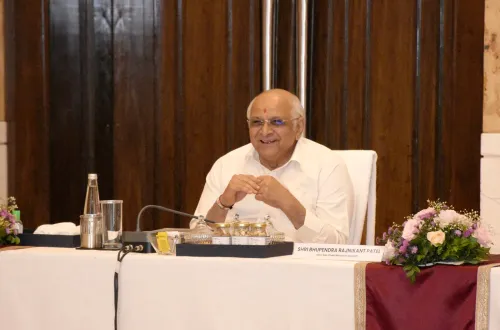
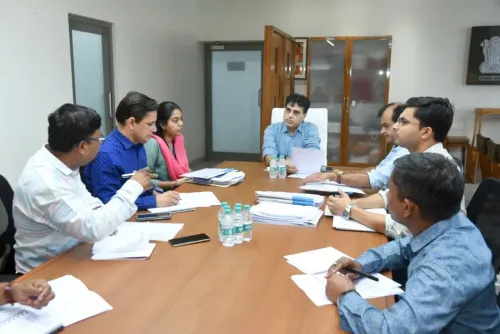
The approval was granted at a dedicated meeting chaired by Health Minister Pansheriya, framed as part of the state government's broader initiative to strengthen eye-care infrastructure at government medical colleges and hospitals. Procurement and logistics timelines have not yet been publicly detailed, but the ministerial sanction clears the final administrative hurdle for the purchase.
Point of View
If incremental, step in closing India's public-private divide in ophthalmic care — but the real measure of impact will be throughput, not hardware. Cataract blindness in India is concentrated in the same income brackets that use government hospitals, so equipping these facilities with precision phacoemulsification technology is the right intervention. The concern is utilisation: Gujarat's public hospitals have historically faced shortages in trained ophthalmic surgeons and post-operative care staff. Machines alone will not reduce cataract blindness rates unless paired with trained personnel and outreach. The state government has yet to detail a staffing or patient-load plan alongside this capital expenditure.
NationPress
15 Oct 2026
Frequently Asked Questions
What are phacoemulsification machines and why are they important for cataract surgery?
Phacoemulsification machines use controlled ultrasound energy to break down and remove cataract-affected lens fragments through a small incision, making surgery more precise with faster recovery. They are the global standard for modern cataract removal and are significantly safer and more effective than older surgical techniques.
Which hospitals in Gujarat will receive these new cataract surgery machines?
The 18 machines will go to government institutions across nine cities: M and J Institute of Ophthalmology in Ahmedabad (7 machines), Government Medical College Bhavnagar and GMERS Morbi (2 each), and one each to New Civil Hospital Surat, Old Civil Hospital Surat, GG General Hospital Jamnagar, ESIC General Hospital Vadodara, and GMERS facilities in Gandhinagar, Vadnagar, and Himmatnagar.
How much will the Gujarat government spend on these 18 machines?
The estimated cost of procuring the 18 phacoemulsification machines exceeds ₹8.85 crore, as approved by Health Minister Praful Pansheriya on 15 October 2026.
Will patients have to pay for cataract surgery using these machines?
No. The Gujarat state government has stated that patients will be able to access modern cataract treatment at these government hospitals free of cost.
What is the CASE technology featured in these machines?
CASE, or Chamber Stabilisation Environment, is a feature that regulates fluctuations in vacuum and fluid flow during surgery to maintain stable pressure inside the eye. It helps reduce the risk of a post-occlusion surge — a sudden pressure drop that can complicate cataract procedures — improving safety outcomes.