H1N1 cases in Delhi surge six-fold; Nadda, Singh review preparedness
Synopsis
Delhi's H1N1 caseload has ballooned more than six times compared to the same period last year, hitting 1,449 cases by August 12 — enough to trigger a joint review by Union Minister J.P. Nadda and Delhi's health minister. With dedicated wards now active at Safdarjung and RML hospitals, the government is racing to stay ahead of a surge that, in 2019, ended in 31 deaths.
Key Takeaways
Delhi recorded 1,449 H1N1 cases up to 12 August — a six-fold rise from 229 cases in the same period last year.
Nadda and Delhi Health Minister Pankaj Kumar Singh chaired a joint preparedness review on 21 August .
Dedicated influenza wards have been set up at Safdarjung Hospital and Ram Manohar Lohia Hospital .
Delhi also reported 184 Influenza B (Yamagata) cases this year, according to available data.
In 2019 , Delhi saw 3,637 H1N1 cases and 31 deaths — a benchmark officials are working to avoid repeating.
States and UTs were separately urged to fast-track PM-ABHIM and 15th Finance Commission health infrastructure projects.
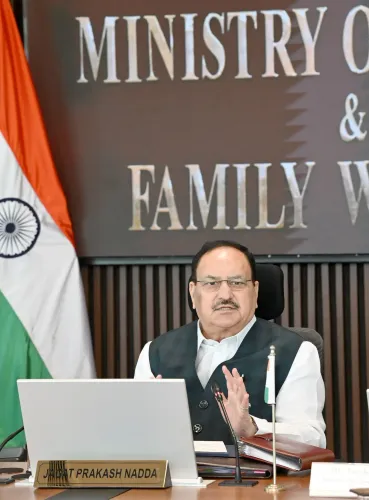
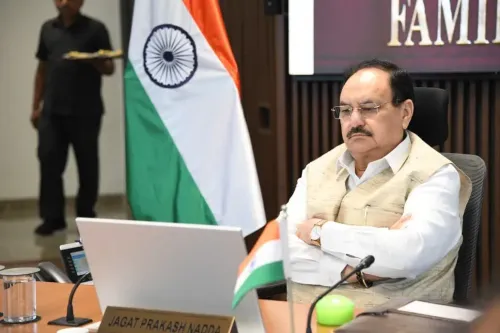
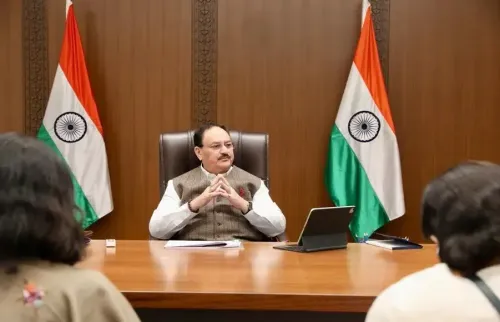
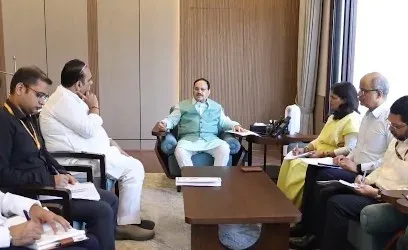
Union Health and Family Welfare Minister J.P. Nadda on Friday, 21 August chaired a high-level review of H1N1 influenza preparedness across the country, with the National Capital as the primary focus. Delhi Health Minister Pankaj Kumar Singh and senior health officials attended the meeting to assess arrangements for managing the rising caseload and potential complications.
Scale of the Surge
According to data from the National Centre for Disease Control (NCDC), Delhi recorded 1,449 H1N1 cases up to 12 August — a more than six-fold increase compared to the 229 cases logged during the same period last year. The capital has also reported 184 cases of Influenza B (Yamagata) so far this year, according to available data. For context, Delhi recorded 3,637 H1N1 cases and 31 deaths in 2019, underscoring the severity that unchecked spread can reach.
What the Government Has Put in Place
Dedicated influenza wards have been established at Safdarjung Hospital, Ram Manohar Lohia Hospital, and other Delhi government hospitals. Minister Pankaj Kumar Singh said: 'Doctors in Delhi government hospitals are treating patients properly, and we have made adequate arrangements in terms of medicines, beds and ventilators.' Officials indicated that the review meeting aimed to further strengthen these arrangements and pre-empt complications from the ongoing spike.
What H1N1 Is and Who Is at Risk
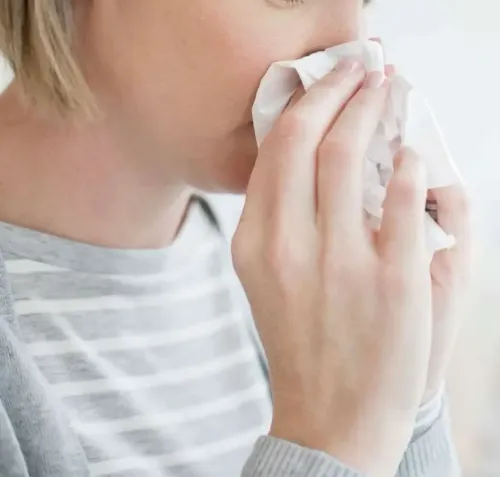
H1N1 is a strain of the Influenza A virus that primarily targets the respiratory system, affecting the nose, throat, and lungs. Common symptoms include fever, cough, headache, muscle aches, fatigue, sweating, and chills. While most infections are self-limiting, doctors caution that some patients — particularly those with pre-existing heart or lung conditions — can develop serious complications including viral pneumonia, secondary bacterial pneumonia, or deterioration of underlying conditions. Doctors advise people with influenza-like symptoms to seek urgent medical attention if they experience difficulty breathing, persistent chest pain, confusion, severe weakness, or dehydration.
Broader Health Infrastructure Review
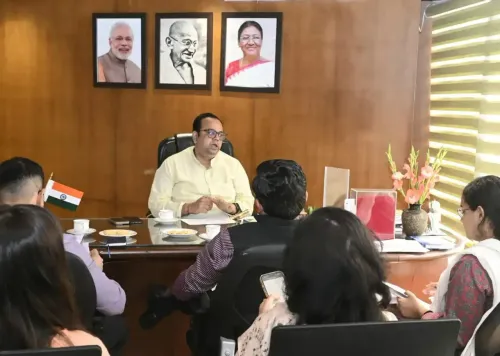
Separately, the Ministry of Health and Family Welfare also held a review of the PM-ABHIM scheme and 15th Finance Commission Health Grants, chaired by the Joint Secretary (Policy). Progress in Punjab, Rajasthan, Uttar Pradesh, West Bengal, Haryana, Dadra & Nagar Haveli and Daman & Diu, Lakshadweep, Puducherry, Kerala, Jammu & Kashmir, Arunachal Pradesh, and Nagaland was assessed. States and Union Territories were urged to accelerate both physical and financial progress and ensure the timely completion and operationalisation of approved health infrastructure.
What Comes Next
With the monsoon season historically associated with influenza spikes, health authorities are expected to maintain heightened surveillance through the coming weeks. The emphasis on ventilator availability and dedicated ward capacity signals that officials are preparing for the possibility of a further rise in severe cases before the season peaks.
Point of View
Not a routine seasonal footnote. What is missing from the official response is transparent, real-time data: the NCDC figures cited run only to August 12, leaving a nine-day blind spot even as the review meeting was held. Delhi's 2019 experience — 3,637 cases and 31 deaths — shows how quickly a manageable spike can turn fatal without early, aggressive containment. The emphasis on beds and ventilators is necessary, but the absence of any mention of community-level surveillance or vaccination outreach suggests the response remains hospital-centric rather than preventive.
NationPress
21 Aug 2026
Frequently Asked Questions
How many H1N1 cases has Delhi recorded in 2025?
According to data from the National Centre for Disease Control (NCDC), Delhi recorded 1,449 H1N1 cases up to 12 August 2025 — more than six times the 229 cases reported during the same period last year.
What steps has the Delhi government taken to manage the H1N1 surge?
Dedicated influenza wards have been set up at Safdarjung Hospital, Ram Manohar Lohia Hospital, and other Delhi government hospitals. Health Minister Pankaj Kumar Singh stated that adequate arrangements for medicines, beds, and ventilators are in place.
What are the symptoms of H1N1 influenza and when should one seek help?
H1N1 symptoms commonly include fever, cough, headache, muscle aches, fatigue, sweating, and chills. Doctors advise seeking urgent medical attention if symptoms include difficulty breathing, persistent chest pain, confusion, severe weakness, or dehydration.
Who is most at risk from H1N1 complications?
People with pre-existing heart or lung conditions are at heightened risk of developing serious complications such as viral pneumonia or secondary bacterial pneumonia. Most healthy individuals experience a self-limiting illness, but any progressive worsening warrants prompt medical review.
How does the current H1N1 situation compare to past outbreaks in Delhi?
In 2019, Delhi reported 3,637 H1N1 cases and 31 deaths — significantly higher than current figures. However, the six-fold year-on-year increase recorded this year has prompted authorities to convene a high-level review to prevent a repeat of that scale.