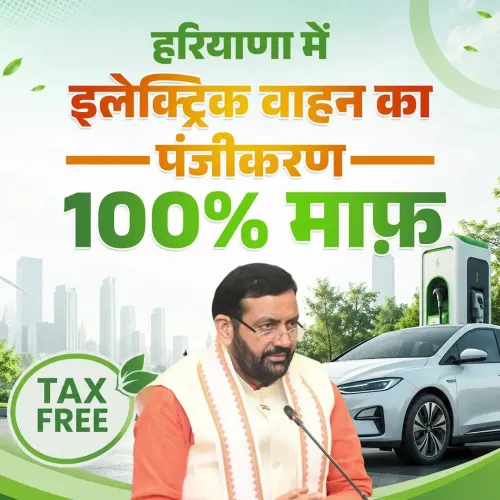
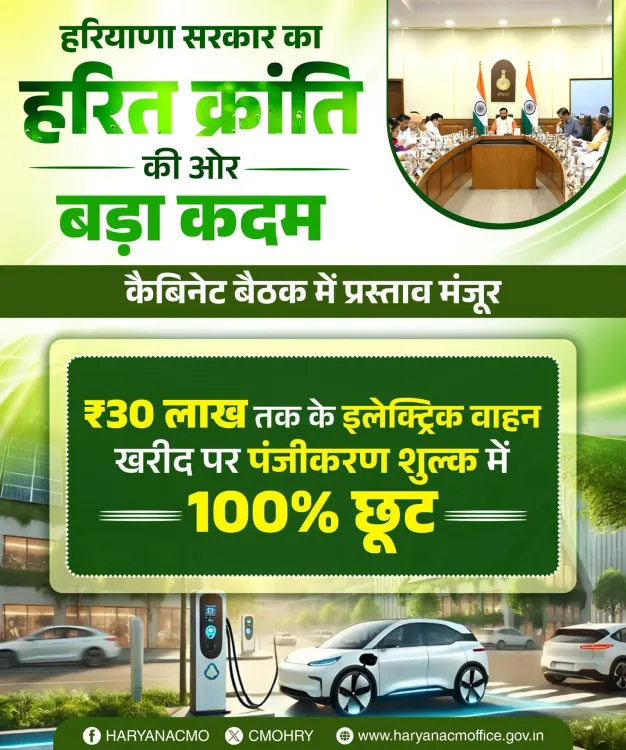
Haryana Cabinet waives 100% EV registration fee on vehicles up to ₹30 lakh
Synopsis
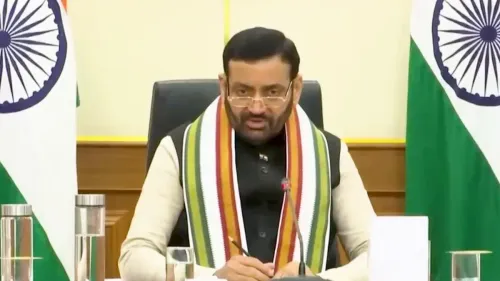
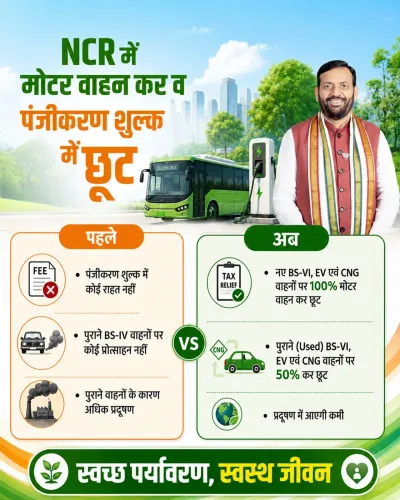
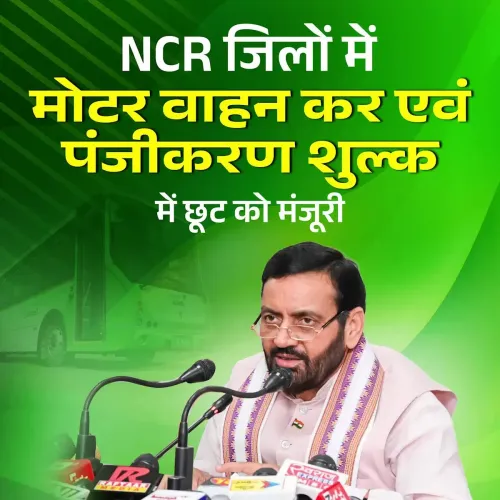
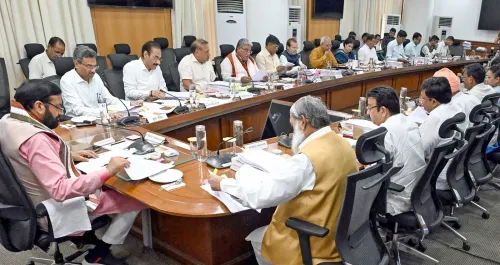
The Haryana Cabinet has approved a 100% waiver on registration charges for electric vehicles priced up to ₹30 lakh, the Chief Minister's Office announced on 28 July 2026. The move targets affordability for private EV buyers in the pollution-prone NCR region and extends India's patchwork of state-level clean-mobility incentives.
Key Takeaways
100% registration fee waiver approved by the Haryana Cabinet for EVs priced up to ₹30 lakh .
The decision covers the core passenger-car and premium two-wheeler EV segment available in India.
Haryana frames the policy as an environment-friendly measure, citing vehicular emissions in the NCR region .
The waiver complements India's central FAME scheme (launched 2015) by targeting private buyers directly at the state level.
Implementation details — eligibility verification and integration into registration workflows — are yet to be confirmed publicly.
Buying an electric vehicle in Haryana just got meaningfully cheaper. The Chief Minister's Office of Haryana announced on Tuesday, 28 July 2026 that the Haryana Cabinet has approved a 100% waiver on registration charges for electric vehicles priced up to ₹30 lakh — a direct cost cut for thousands of prospective EV buyers in one of India's most polluted regions.
What the Cabinet decided — and who it helps
The cabinet's decision eliminates registration fees entirely for EVs in the sub-₹30 lakh bracket, a segment that covers the bulk of passenger electric cars and premium two-wheelers currently on sale in India. Registration charges on a vehicle in this price range can run into tens of thousands of rupees, so the waiver represents a tangible upfront saving for middle-class buyers sitting on the fence about switching from petrol or diesel.
The official post described the move as an 'paryavaran hitaishi nirnay' — an environment-friendly decision — signalling that the Haryana government is framing this as climate policy, not just a consumer subsidy.
Haryana's air-quality pressure and the NCR context
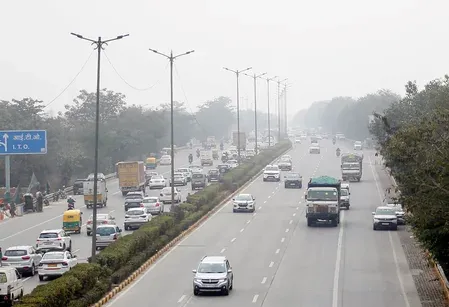
Haryana sits at the heart of the National Capital Region, a zone that records some of the worst air-quality indices in the country, particularly during winter months. Vehicular emissions are a major contributor. State-level registration waivers are one of the most direct levers available to state governments to nudge buyers toward zero-tailpipe-emission vehicles without waiting for central scheme disbursements.
India's FAME scheme, launched in 2015, laid the national foundation for EV demand incentives, but its benefits have been concentrated on two-wheelers, buses, and fleet operators. A blanket registration waiver covering passenger cars up to ₹30 lakh fills a gap that central policy has not fully addressed for private buyers.
Where Haryana fits in India's state-level EV race
Several states — particularly those in the NCR belt — have moved aggressively on EV incentives in recent years, using registration tax waivers and road-tax exemptions as competitive tools to attract both buyers and manufacturers. Haryana's 100% waiver is among the more generous on the table, covering a price ceiling high enough to include most mainstream electric sedans and SUVs. The next test will be implementation: how quickly the waiver integrates into the vehicle registration workflow, and whether EV sales numbers in the state respond.
If uptake accelerates, the cabinet's environment-friendly framing gets its proof point. If not, the conversation will shift to what other friction points — charging infrastructure, range anxiety, financing — still need to be cleared.
Point of View
It lets the ruling dispensation claim an environment credential in a region where air quality is a live electoral grievance. The ₹30 lakh ceiling is strategically chosen: broad enough to cover mainstream EVs and signal seriousness, but not so high as to attract criticism for subsidising luxury vehicles. The real policy test arrives in the registration data six to twelve months from now — if the numbers move, the model becomes a template other NCR states will feel pressure to match.
NationPress
28 Jul 2026
Frequently Asked Questions
What is the Haryana EV registration fee waiver?
The Haryana Cabinet has approved a 100% exemption on registration charges for electric vehicles priced up to ₹30 lakh, making EVs cheaper to buy in the state.
Which electric vehicles are eligible for the Haryana registration fee waiver?
EVs priced up to ₹30 lakh are eligible. This covers most mainstream electric passenger cars and premium electric two-wheelers currently available in India.
How much money can I save on EV registration in Haryana?
Registration charges on a vehicle in the ₹20–30 lakh range can amount to tens of thousands of rupees. The 100% waiver means buyers pay zero registration fee, saving that entire amount upfront.
Why is Haryana offering EV incentives?
Haryana is part of the National Capital Region, which faces severe vehicular air pollution. The state government has framed the waiver as an environment-friendly measure to accelerate the shift to zero-emission vehicles.
How does Haryana's EV policy compare to other states?
Multiple states, especially in the NCR belt, offer registration tax waivers for EVs. Haryana's 100% waiver covering vehicles up to ₹30 lakh is among the more generous, extending coverage to most mainstream electric passenger cars.