Haryana to Launch Kinnow Juice Processing Facility in Sirsa

Synopsis
Haryana is set to transform its kinnow economy with a new juice processing plant in Sirsa, aimed at enhancing farmer incomes and leveraging public-private partnerships. This innovative facility promises to boost local agriculture and create sustainable income streams for farmers.
Key Takeaways
New kinnow juice processing plant to be established in Sirsa.
Investment of Rs 26.39 crore for the project.
Focus on enhancing farmers' income through value-added processing.
Public-private partnership model to be used for development.
Approximately 9,000 metric tonnes of kinnow will be processed annually.
Chandigarh, April 6 (NationPress) The Chief Secretary of Haryana, Anurag Rastogi, chaired a meeting of the Committee of Secretaries on Infrastructure this past Monday to evaluate the establishment of a kinnow juice processing facility in Sirsa through the Public-Private Partnership (PPP) model. This meeting emphasized the state's determination to revolutionize its fruit economy and boost the earnings of kinnow growers.
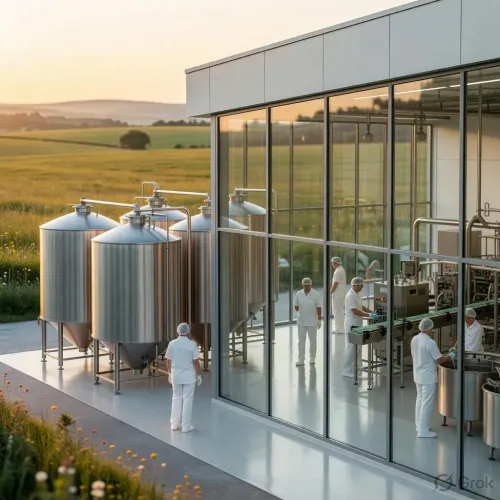
Announced in the state budget, the cutting-edge plant is set to be constructed on the premises of the Vita Milk Plant in Sirsa, with a budget allocation of Rs 26.39 crore. The meeting highlighted that the project, developed under the PPP framework with a 33-year concession, aims to benefit a variety of stakeholders.
The Haryana Dairy Board will allocate around three acres of land for the juice plant, while the private entity will be responsible for the installation of necessary equipment, civil infrastructure, and operational management of the facility. The primary focus of the project is to establish a fruit and vegetable processing sector, particularly concentrating on kinnow juice processing, with potential viability gap funding support if needed.
Initially, the organization will set up a fruit and vegetable processing industry, with possibilities for expanding into an agriculture-based processing sector to be considered later, as stated by officials.
According to Rohit Yadav, Managing Director of the Haryana Dairy Development Cooperative Federation, the state produces approximately 4.40 lakh metric tonnes of kinnow annually, with Sirsa contributing nearly 55 percent of this output. The new plant is projected to process about 9,000 metric tonnes of kinnow and 12,600 metric tonnes of other fruits each year, yielding premium packaged juice.
Notably, around 25 percent of kinnow production, mainly B-grade fruit that previously fetched lower prices, will now be utilized for value-added processing, thereby directly increasing farmers’ income. A significant aspect of this initiative is its focus on farmers, with the procurement of raw materials sourced from local Haryana farmers.
Chief Secretary Rastogi stressed that this project exemplifies the synergy between government infrastructure, cooperative institutions, and private enterprises aimed at generating sustainable rural income.
Point of View
Aiming to enhance the agricultural sector's viability through innovative partnerships. By investing in local processing facilities, Haryana is not only supporting its farmers but also fostering sustainable economic growth.
NationPress
20 Sept 2026
Frequently Asked Questions
What is the kinnow juice processing plant in Sirsa?
It is a state-of-the-art facility proposed to process kinnow juice, enhancing the local fruit economy in Haryana.
How much investment is allocated for the plant?
The project has an outlay of Rs 26.39 crore.
What is the expected output of the plant?
The plant will process approximately 9,000 metric tonnes of kinnow and 12,600 metric tonnes of other fruits each year.
How will farmers benefit from this initiative?
The project will allow for the utilization of B-grade kinnow fruit, increasing farmers' income through value-added processing.
What is the role of the public-private partnership in this project?
The PPP model will facilitate the development and operation of the plant, ensuring benefits for all stakeholders involved.