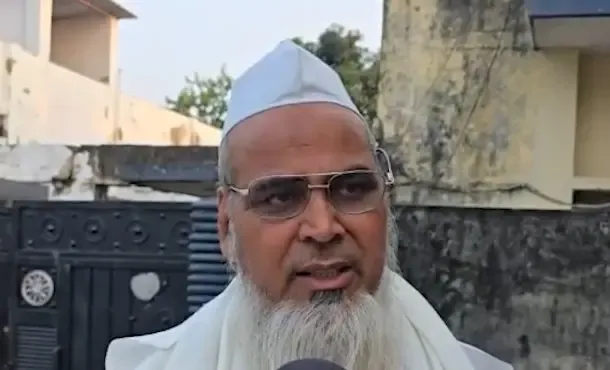
Jameel Hayat slams Shahabuddin Razvi's remarks as sectarian, divisive
Synopsis
A prominent religious scholar has publicly broken with All India Muslim Jamaat chief Maulana Shahabuddin Razvi, calling his demand for a Muslim chief minister in Uttar Pradesh 'sectarian, filled with hatred, and unsuitable.' The internal dissent signals that identity-driven electoral demands are far from universally endorsed — even within the community they claim to represent.
Key Takeaways
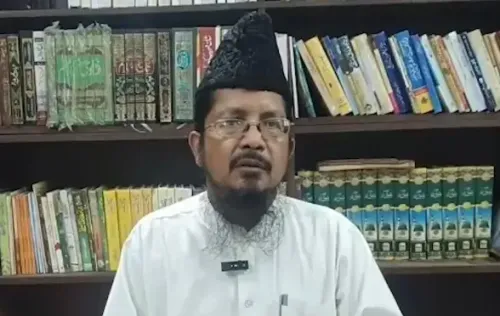
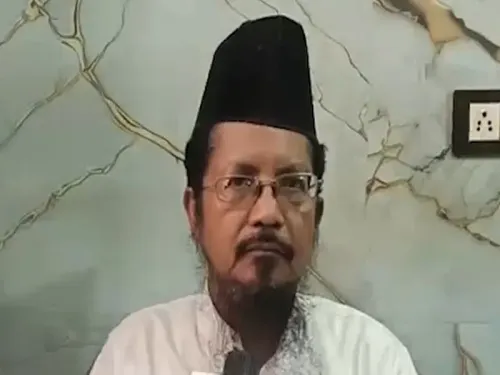
Maulana Mohammad Jameel Hayat publicly condemned Maulana Shahabuddin Razvi Barelvi's remarks on 23 September in Rampur .
Razvi had demanded that the Samajwadi Party declare a Muslim chief ministerial candidate for the Uttar Pradesh elections, citing a Muslim population share higher than the Yadav community's 7 per cent .
Hayat called Razvi's statement 'sectarian, filled with hatred, and unsuitable,' warning it could fuel communal tensions.
Hayat argued that religious scholars' statements carry social weight and must prioritise harmony over identity-based demands.
The controversy underscores the charged debate over Muslim political representation as UP election season approaches.
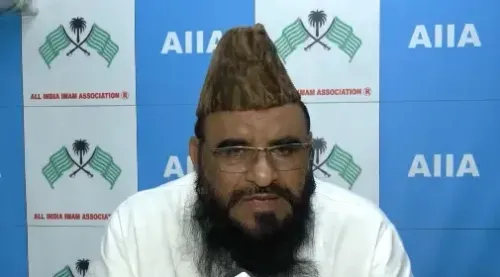
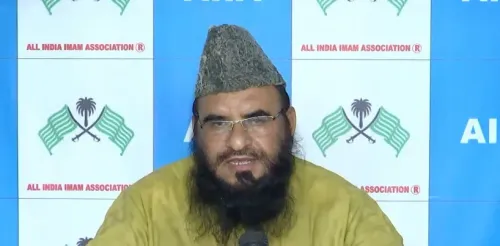
Religious scholar Maulana Mohammad Jameel Hayat on 23 September sharply condemned remarks by All India Muslim Jamaat National President Maulana Shahabuddin Razvi Barelvi, stating that such statements foster sectarianism and threaten communal harmony. The rebuke, delivered from Rampur, comes amid a charged political debate over Muslim representation ahead of the Uttar Pradesh assembly elections.
What Razvi Had Said
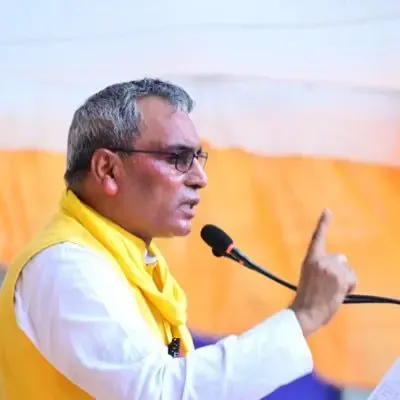
Maulana Shahabuddin Razvi Barelvi had questioned why Samajwadi Party (SP) chief Akhilesh Yadav was being projected as the party's chief ministerial face, arguing that the Yadav community accounts for only 7 per cent of Uttar Pradesh's population, while the Muslim population is slightly higher. Razvi had demanded that a Muslim candidate be declared as the party's chief ministerial face for the upcoming polls — a statement that drew swift criticism from within religious and political circles.
Hayat's Condemnation
Responding directly to Razvi's position, Hayat said: 'I do not agree with his statement. This is our country. Whoever belongs here and has a right to it should get their rights. Muslims living here should have peace and security, and they should get all the rights they are entitled to.'
He warned that statements by religious scholars carry significant social weight and can 'create unrest, fuel sectarianism and lead to communal tensions.' Hayat added: 'Such things should not be said. We have to live in this country and move forward while keeping in mind the rights of both the majority and the minority.'
On the Demand for a Muslim Chief Minister
Hayat dismissed Razvi's demand for a declared Muslim chief ministerial candidate as politically unrealistic and counterproductive. 'This is claiming something which cannot be done. These issues will not serve the nation,' he said. He further argued that Hindu legislators and members of parliament had actively addressed community concerns, saying: 'It is not true that Hindu leaders do not listen to us. They listen to all our complaints and love us immensely.'
Broader Message on Minority-Majority Relations
Hayat stressed that the path to peace lay in mutual cooperation rather than competitive identity politics. He characterised Razvi's statement as 'wrong… sectarian, filled with hatred, and unsuitable,' calling on religious figures to speak with 'harmony' rather than grievance. 'Minorities should do their job while the majority should work with them in harmony — only then can peace be achieved,' he said.
Political Context Ahead of UP Elections
The exchange reflects a wider churn in Uttar Pradesh politics as parties position themselves ahead of state elections. The question of Muslim political representation has prompted several community leaders and politicians to publicly stake out positions, with some warning that identity-based demands risk fracturing coalition politics in a state where no single community commands a decisive majority. Notably, this is not the first time Razvi's remarks have sparked internal debate within Muslim religious and civil society circles. How the SP navigates such demands — without alienating either Muslim voters or broader coalition partners — is expected to shape its electoral strategy in the months ahead.
Point of View
' it signals genuine alarm about the political consequences of competitive identity rhetoric. The deeper issue is structural: Muslim political mobilisation in UP has historically produced diminishing returns when framed around bloc demands rather than governance outcomes. Razvi's gambit may energise a segment of the community, but as Hayat's response shows, it simultaneously hands critics a ready-made counternarrative and risks splintering rather than consolidating Muslim electoral influence.
NationPress
23 Sept 2026
Frequently Asked Questions
What did Maulana Jameel Hayat say about Maulana Shahabuddin Razvi's remarks?
Maulana Jameel Hayat condemned Maulana Shahabuddin Razvi's statements as 'sectarian, filled with hatred, and unsuitable,' warning that such remarks by religious scholars can create unrest and fuel communal tensions. He called for harmony between minorities and the majority instead.
What did Maulana Shahabuddin Razvi demand from Akhilesh Yadav?
Razvi demanded that Samajwadi Party chief Akhilesh Yadav declare a Muslim candidate as the party's chief ministerial face for the Uttar Pradesh elections, arguing that Muslims form a slightly larger share of the state's population than the Yadav community, which stands at 7 per cent.
Why does this controversy matter ahead of Uttar Pradesh elections?
The exchange highlights deepening tensions over Muslim political representation in Uttar Pradesh, a state where no single community holds a majority. Such demands can influence party strategy, coalition dynamics, and broader communal sentiment in the run-up to assembly polls.
What is the All India Muslim Jamaat?
The All India Muslim Jamaat is a national Muslim religious organisation whose current president is Maulana Shahabuddin Razvi Barelvi. It has previously made political statements on issues affecting Muslim communities across India.
What did Hayat say about Hindu legislators and Muslim rights?
Hayat argued that Hindu legislators and MPs have actively worked on community welfare, saying 'they listen to all our complaints and love us immensely.' He used this point to push back against Razvi's framing that Muslims are politically underserved unless represented by a Muslim chief minister.