Karnataka HC quashes SC/ST quota hike; Siddaramaiah blames BJP's haste
Synopsis
The Karnataka High Court's quashing of an SC/ST quota hike — from 15% to 17% for SCs and 3% to 7% for STs — has turned into a full-blown political confrontation. Siddaramaiah says the BJP rushed the hike before the 2023 polls without constitutional safeguards; the BJP says the Congress government failed to defend it in court. Both sides claim to be the true guardians of social justice, and neither has a clean answer.
Key Takeaways
The Karnataka High Court quashed an enhanced reservation that raised the SC quota from 15% to 17% and the ST quota from 3% to 7% .
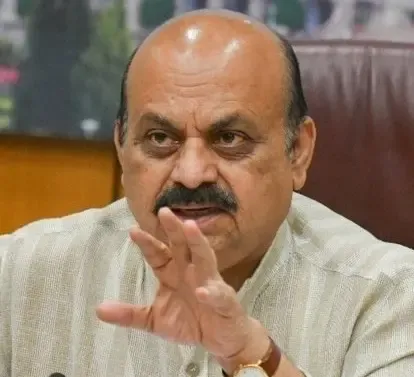
The hike was implemented by the BJP government under Basavaraj Bommai ahead of the 2023 Karnataka Assembly elections .
Siddaramaiah accused the BJP of implementing the increase in electoral haste, without adequate constitutional protection or Ninth Schedule cover.
Vijayendra counter-accused the Congress government of failing to fight for the quota in court.
Siddaramaiah urged the Union government to extend Ninth Schedule protection and called on the state government to seek a stay on the High Court order.
The dispute reignites the national debate over breaking the Supreme Court's 50 per cent reservation ceiling set in the Indra Sawhney case .
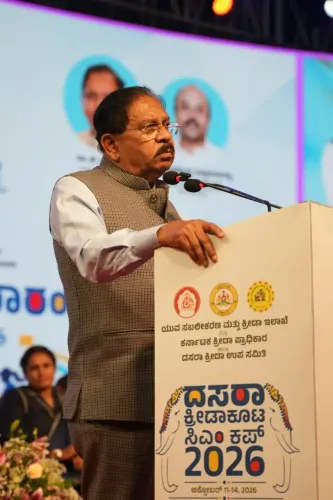
Former Karnataka Chief Minister and Congress Working Committee (CWC) member Siddaramaiah on Tuesday, 13 October squarely blamed the previous Bharatiya Janata Party (BJP) government for the Karnataka High Court's decision to quash the enhanced reservation for Scheduled Castes (SCs) and Scheduled Tribes (STs), arguing the quota hike was rushed through without adequate legal and constitutional safeguards. The court's verdict has reignited a fierce political battle over social justice in Karnataka, with both the Congress and the BJP trading accusations over who failed the state's marginalised communities.
What the High Court Struck Down
The Karnataka High Court quashed an increase in reservation that had raised the SC quota from 15 per cent to 17 per cent and the ST quota from 3 per cent to 7 per cent. The hike had been implemented by the BJP government led by then Chief Minister Basavaraj Bommai ahead of the 2023 Karnataka Assembly elections. Critics had long flagged that the revised figures pushed total reservation past the 50 per cent ceiling set by the Supreme Court in the landmark Indra Sawhney case.
Siddaramaiah's Charges Against the BJP
Siddaramaiah said the High Court's ruling had 'dealt a blow to the aspirations of oppressed communities that had been denied equal opportunities for generations.' While expressing respect for the court's judgment, he turned his fire on the BJP, alleging the reservation increase was driven by electoral calculation rather than genuine constitutional commitment.
'Why was the increase implemented in haste without providing adequate constitutional protection? Was electoral gain more important to the BJP than upholding social justice?' Siddaramaiah asked.
He noted that the Justice Nagamohan Das Committee, constituted during a Congress government's tenure, had laid the foundation for the enhanced quota — making it, in his view, a product of decades of community struggle rather than any single party's generosity. He also criticised the BJP-led Union government for refusing Karnataka's request to include the enhanced reservation in the Ninth Schedule of the Constitution, citing the court case's pendency. He called on the Centre to now clarify what constitutional remedy it proposed to protect the increased quota.
The Demand: Break the 50 Per Cent Ceiling
Siddaramaiah urged the Union government to move beyond the 50 per cent reservation ceiling by providing constitutional protection through the Ninth Schedule, arguing that reservation must be proportional to population. He also called on the Karnataka state government to take immediate legal steps — including seeking a stay on the High Court order — to protect students and job aspirants potentially affected by the ruling.
'Reservation is not charity. It is a constitutional instrument to correct historical injustices and ensure appropriate representation for oppressed sections of society,' he said, reiterating that political democracy remains incomplete without social and economic equality. He underscored the importance of protecting the interests of AHINDA groups — an acronym in Karnataka's political discourse encompassing minorities, backward classes, and Dalits — saying their access to reservation benefits was non-negotiable.
BJP Hits Back: Congress Failed to Defend the Quota in Court
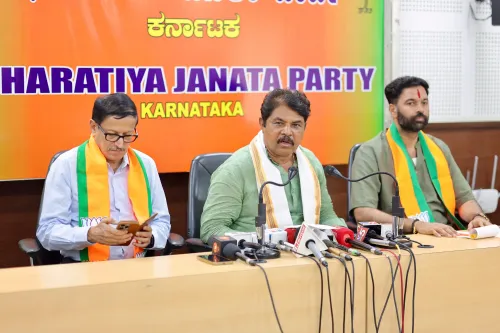
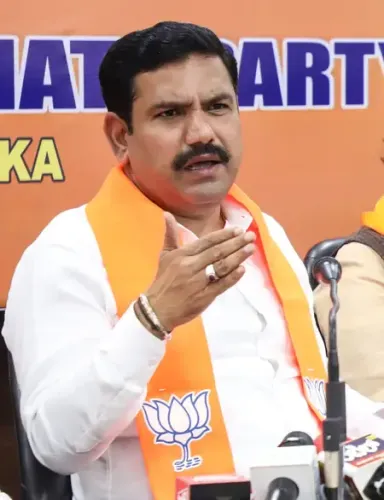
Karnataka BJP President and MLA B.Y. Vijayendra countered sharply, arguing that it was the incumbent Congress government's failure to mount a committed legal defence that had led to the setback. 'It is deeply disappointing that the government's failure to fight committedly for the interests of the Scheduled Communities has resulted in a setback to their right to reservation,' he said in a separate statement.
Vijayendra asserted that the BJP had increased SC reservation by two percentage points and ST reservation by four percentage points with a genuine intent to uplift marginalised communities, and accused the Congress of never having formulated a long-term welfare vision for Scheduled Communities. He warned that if the state government continued to show negligence, the BJP would be 'compelled to take up the struggle on behalf of the Scheduled Communities.'
What Happens Next
With the High Court having quashed the quota hike, the immediate legal question is whether the state government will seek a stay and mount an appeal. The broader constitutional question — whether Parliament can or should include such enhancements in the Ninth Schedule to shield them from judicial review — is likely to resurface as a flashpoint in both Karnataka politics and national debates on reservation policy. This comes amid a wider national conversation about expanding reservations beyond the Indra Sawhney ceiling, a demand that has gained momentum across several states.
Point of View
Once in power, apparently failed to mount a sufficiently robust defence in court. The communities these quotas were meant to serve are left with neither the enhanced reservation nor a clear constitutional roadmap. The real accountability question is not which party cares more about social justice, but why two consecutive governments — one that enacted, one that inherited — could not secure the most predictable legal safeguard available to them.
NationPress
13 Oct 2026
Frequently Asked Questions
Why did the Karnataka High Court quash the SC/ST reservation hike?
The Karnataka High Court quashed the enhancement because it pushed total reservation past the 50 per cent ceiling established by the Supreme Court in the Indra Sawhney case. The SC quota had been raised from 15% to 17% and the ST quota from 3% to 7% by the previous BJP government ahead of the 2023 elections, reportedly without adequate constitutional safeguards such as Ninth Schedule inclusion.
What is the Ninth Schedule and why does it matter here?
The Ninth Schedule of the Indian Constitution lists laws that are shielded from judicial review on the grounds of violation of fundamental rights. Had the Karnataka reservation hike been included in the Ninth Schedule, it would have been harder for courts to strike it down. Siddaramaiah says the BJP-led Union government refused Karnataka's request to include the enhanced quota, citing the pendency of the court case.
What is the AHINDA grouping Siddaramaiah refers to?
AHINDA is a Kannada acronym widely used in Karnataka's political discourse to refer collectively to minorities (Alpasankhyataru), backward classes (Hindulidavaru), and Dalits (Dalitaru). The grouping has been a key political constituency for Siddaramaiah and the Congress in Karnataka.
What are both parties demanding now after the High Court verdict?
Siddaramaiah has called on the Union government to extend Ninth Schedule protection to the enhanced reservation and urged the Karnataka state government to seek a stay on the High Court order. BJP President B.Y. Vijayendra has also urged the state government to seek a stay, warning that the BJP will mobilise on behalf of Scheduled Communities if the Congress government shows further inaction.
How does the Indra Sawhney ruling affect reservation limits in India?
The Supreme Court's 1992 Indra Sawhney judgment capped total reservation at 50 per cent of available seats or posts, except in extraordinary circumstances. States wishing to provide reservation above this ceiling must either demonstrate exceptional circumstances or obtain constitutional protection via the Ninth Schedule — a route that requires Parliament's approval.