Kishau Dam MoU: Amit Shah signs ₹15,000 crore pact with 6 states for Yamuna rejuvenation
Synopsis
After decades of stalemate, the ₹15,000 crore Kishau Multipurpose Dam Project is finally off the drawing board — Home Minister Amit Shah signed the MoU with six states on 15 September, with the Centre covering 90 per cent of water-component costs. Himachal CM Sukhu projects a ₹600 crore annual income for the state with zero investment, marking the deal as a potential model for resolving India's long-running inter-state river disputes.
Key Takeaways
Home Minister Amit Shah signed the Kishau Multipurpose Dam MoU in New Delhi on 15 September 2026 .
The project is estimated to cost ₹15,000 crore ; the Centre will bear 90 per cent of the water component cost.
Six beneficiary states: Himachal Pradesh , Uttarakhand , Delhi , Uttar Pradesh , Haryana , and Rajasthan .
Himachal Pradesh CM Sukhvinder Sukhu projected an annual income of around ₹600 crore for the state without any investment.
Himachal's water share will go to Delhi and Rajasthan in exchange for cost-sharing on its power component.
The project is aimed at increasing clean water flow in the Yamuna River and enabling water conservation and energy generation.
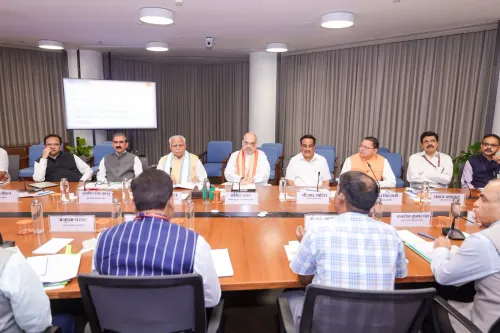
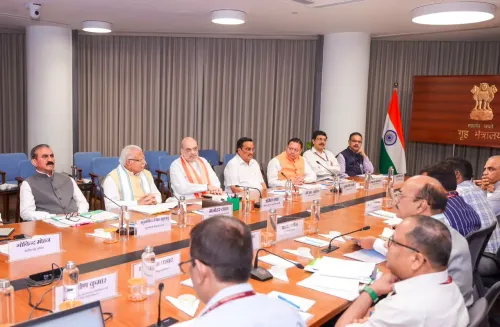
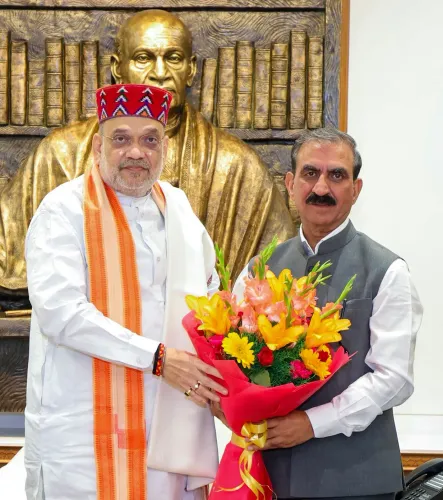
Union Home Minister Amit Shah on Tuesday, 15 September 2026, signed a memorandum of understanding (MoU) on behalf of the Centre for the long-pending Kishau Multipurpose Dam Project in New Delhi, with the chief ministers of six beneficiary states present. The ₹15,000 crore project, aimed at rejuvenating the Yamuna River, has the Centre bearing 90 per cent of the cost of its water component.
What the MoU Covers
The agreement brings together six states — Himachal Pradesh, Uttarakhand, Delhi, Uttar Pradesh, Haryana, and Rajasthan — under a shared cost framework. The Centre will fund 90 per cent of the water component as grant assistance, while the remaining 10 per cent is to be distributed among the six participating states. Notably, Himachal Pradesh's share of water has been allocated to Delhi and Rajasthan in exchange for those states bearing the cost of Himachal's portion of the power component.
What Himachal CM Sukhu Said
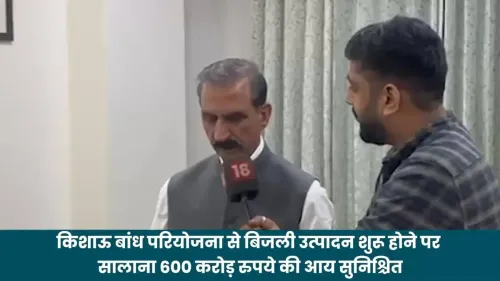
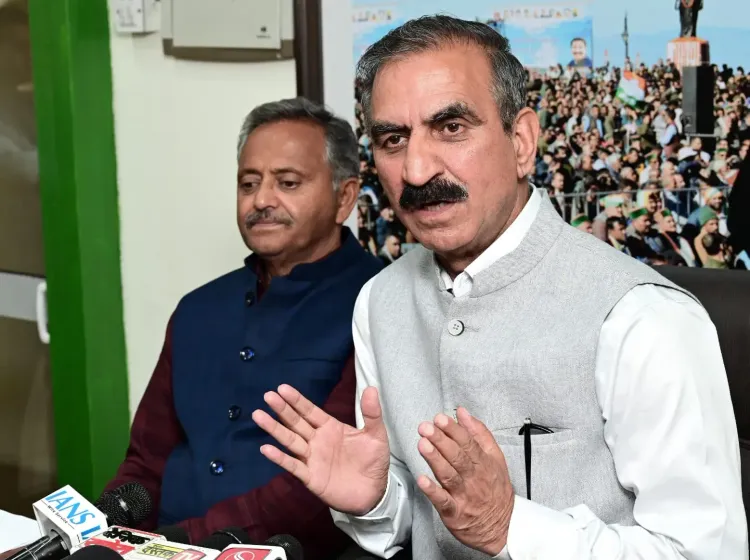
Ahead of the signing, Himachal Pradesh Chief Minister Sukhvinder Sukhu called the development a landmark moment for his state. In a post on X, Sukhu wrote: 'The historic success achieved in the interest of Himachal in the long-pending Kishau Dam project will ensure an annual income of around Rs 600 crore without any investment.' He added: 'There will be no compromise with the state's rights, honour, and future. The interest of Himachal will always remain our foremost concern.'
Background: A Long-Pending Project
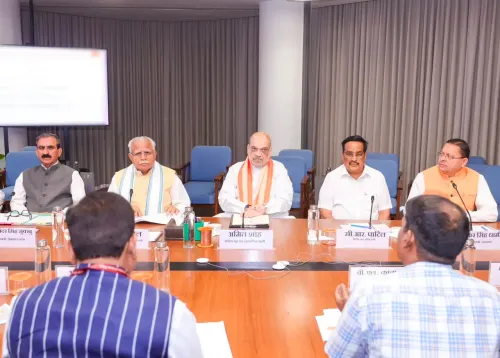
The groundwork for Tuesday's signing was laid at a meeting chaired by Home Minister Shah in Delhi on 15 June 2026, when the six beneficiary states reached consensus on the cost-sharing formula and water allocation. The Kishau project has remained on the drawing board for decades, stalled by inter-state disagreements over water rights, financial contribution, and power-sharing arrangements. This is the first time all six states have formally agreed to move toward implementation.
Political Reactions and Broader Significance
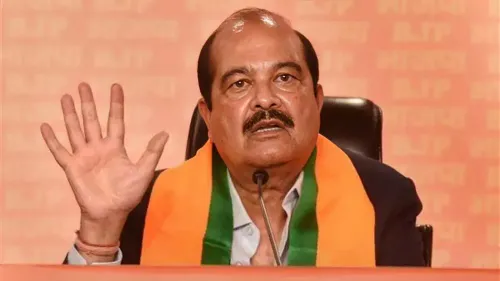
Bharatiya Janata Party (BJP) Rajya Sabha member Harsh Mahajan, a former Himachal Cabinet Minister, had welcomed the June consensus, attributing the breakthrough to what he described as the 'solution-through-dialogue' approach of the Prime Minister Narendra Modi-led Central government. Mahajan said the project would not only aid Yamuna rejuvenation but also open avenues for water conservation, energy generation, and regional development across the six states.
What Comes Next
With the MoU signed, the project now moves toward a detailed implementation phase. Analysts and officials expect the Kishau Dam to meaningfully increase the clean water flow into the Yamuna, which has faced severe pollution and reduced flow for years. The ₹15,000 crore outlay, combined with the structured cost-sharing model, is seen as a template for resolving similar inter-state river disputes. The timelines for construction commencement and project milestones are yet to be officially announced.
Point of View
But by a Centre willing to absorb 90 per cent of the water-component cost, effectively subsidising political consensus. That raises a question mainstream coverage is skipping: if Centre-funded generosity is the unlock, what precedent does this set for dozens of other stalled inter-state water disputes? Himachal CM Sukhu's framing of ₹600 crore in annual income 'without any investment' is politically appealing but glosses over the state's residual 10 per cent liability on the water component and its full share of the power component. The real dividend — a cleaner Yamuna — depends on execution timelines no one has yet committed to publicly.
NationPress
15 Sept 2026
Frequently Asked Questions
What is the Kishau Multipurpose Dam Project?
The Kishau Multipurpose Dam Project is a long-pending ₹15,000 crore infrastructure initiative on the Tons River, a Yamuna tributary, designed to increase clean water flow into the Yamuna and generate hydropower. It involves six states — Himachal Pradesh, Uttarakhand, Delhi, Uttar Pradesh, Haryana, and Rajasthan — and the Centre signed a formal MoU for its execution on 15 September 2026.
Who signed the Kishau Dam MoU and on whose behalf?
Union Home Minister Amit Shah signed the MoU on behalf of the Centre on 15 September 2026, in the presence of the chief ministers of the six participating states. The Centre is bearing 90 per cent of the cost of the water component of the project.
What does the Kishau Dam project mean for Himachal Pradesh?
Himachal Pradesh Chief Minister Sukhvinder Sukhu has projected that the project will generate an annual income of around ₹600 crore for the state without any investment. As part of the agreement, Himachal's water share will be allocated to Delhi and Rajasthan, which in turn will cover the cost of Himachal's portion of the power component.
How will the ₹15,000 crore cost of the Kishau Dam be shared?
The Centre will bear 90 per cent of the water component cost as grant assistance. The remaining 10 per cent will be shared among the six participating states. Himachal Pradesh's water allocation goes to Delhi and Rajasthan in exchange for those states funding Himachal's power component share.
Why has the Kishau Dam project been pending for so long?
The project was stalled for decades due to unresolved disputes among states over water rights, financial contributions, and power-sharing arrangements. A consensus was first reached at a meeting chaired by Home Minister Shah on 15 June 2026, paving the way for Tuesday's formal MoU signing.