Amit Shah begins 3-day Arunachal visit; Siang dam protests, border security on agenda
Synopsis
Amit Shah's three-day Arunachal Pradesh visit is not routine diplomacy — it comes as more than 75 people have been detained over the 11,200-MW Siang dam protests, CRPF units have been rushed in, and dialogue attempts have stalled. With a 1,863-km border with China, Myanmar, and Bhutan in the frame, the visit is as much about managing strategic infrastructure ambitions as it is about keeping the peace.
Key Takeaways
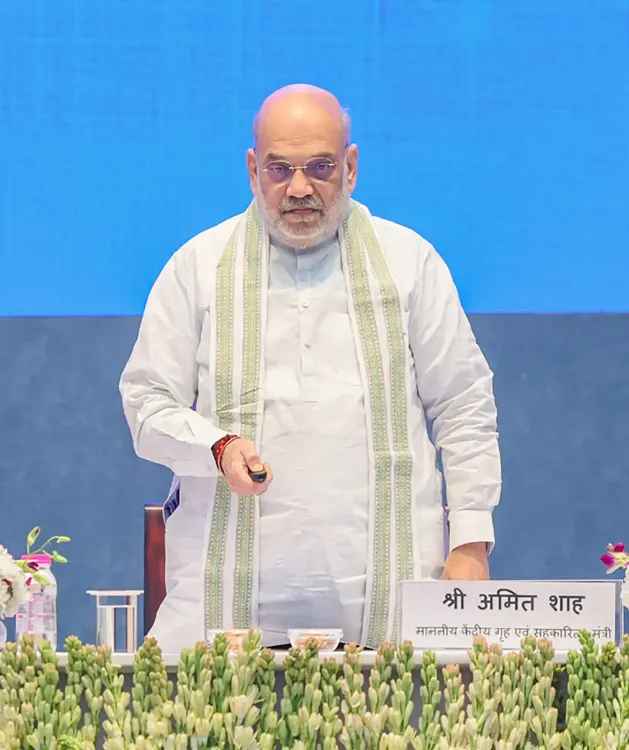
Union Home Minister Amit Shah arrived in Arunachal Pradesh on 20 November 2026 for a three-day visit , returning on 22 November .
He will honour President's Police Medal recipients, distribute appointment letters to new police and forest department recruits, and hold a high-level review meeting with the state government.
The visit is dominated by protests against the 11,200-MW Siang Upper Multipurpose Project (SUMP) , which have led to the arrest or detention of more than 75 people .
The Centre deployed two CRPF RAF companies to the state after protests intensified in late October; state-led dialogue has so far not made headway.
Arunachal Pradesh shares a 1,863-km border with China , Myanmar , and Bhutan , making border security a parallel priority for the visit.
Shah last visited the state in June 2024 for Chief Minister Pema Khandu's swearing-in ceremony.
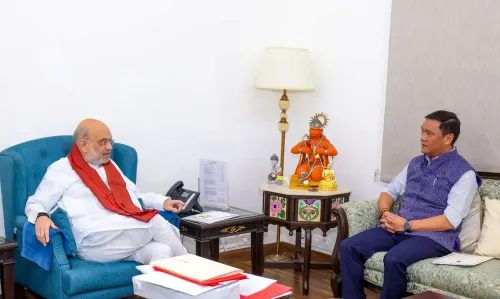
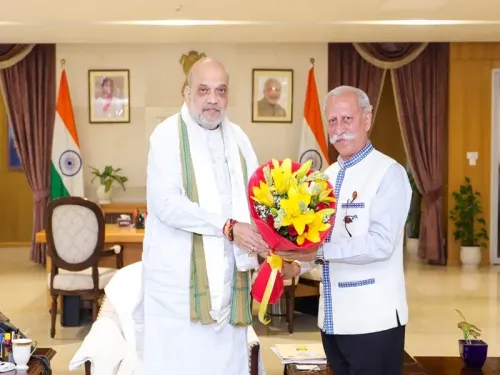
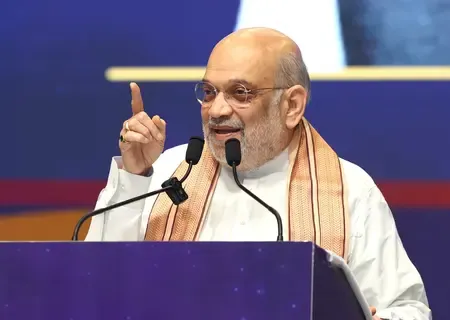
Union Home Minister Amit Shah arrived in Arunachal Pradesh on Friday, 20 November 2026, for a three-day official visit that places the state's simmering protests against the 11,200-MW Siang Upper Multipurpose Project (SUMP) and sensitive border security squarely at the top of the national agenda. Chief Minister Pema Khandu confirmed the visit, noting that a high-level review meeting with the state government has been scheduled to address key concerns facing Arunachal Pradesh.
Key Engagements on the Itinerary
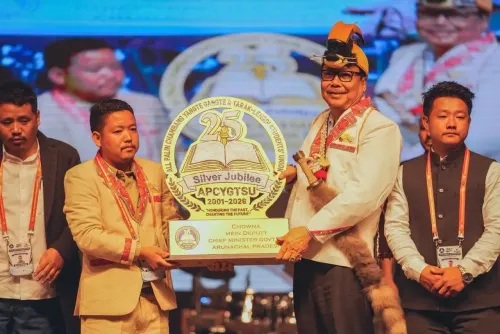
Shah is scheduled to honour recipients of the President's Police Medal at a function near Itanagar and address a programme at the Dorjee Khandu Convention Centre in the state capital. He will also distribute appointment letters to newly recruited personnel from the police and forest departments — a signal of the Centre's focus on institutional capacity-building in one of India's most strategically sensitive states.
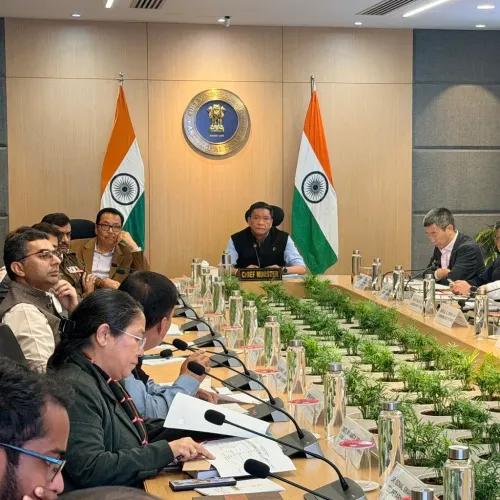
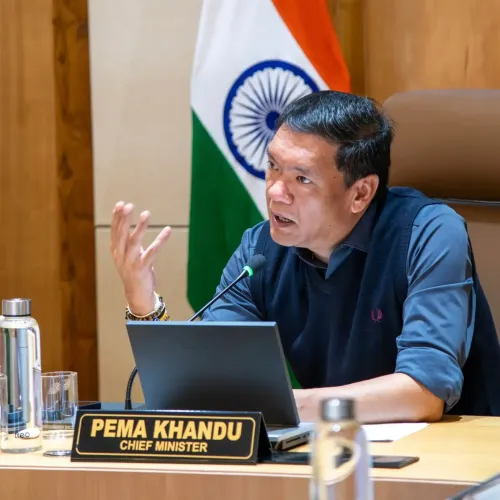
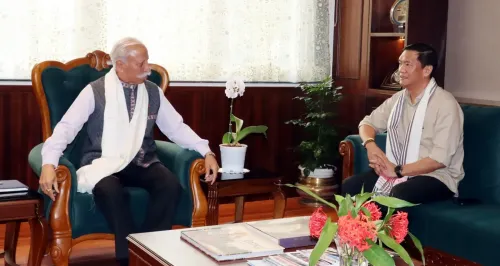
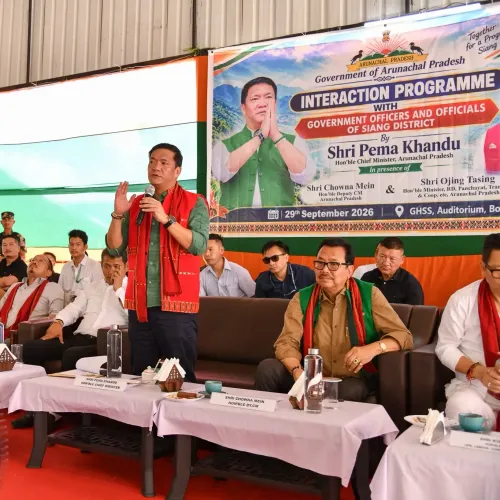
Ahead of the visit, Khandu chaired a preparatory meeting on Thursday evening, attended by Deputy Chief Minister Chowna Mein and senior civil and security officials. The Home Minister is expected to hold separate discussions with senior government officials, political leaders, and representatives of various social organisations on development, security, and governance issues. He is scheduled to return to New Delhi on 22 November.
Siang Dam Protests: The Flashpoint
The visit carries added weight given the sustained public unrest over the proposed SUMP, planned across Siang, East Siang, and Upper Siang districts. Protests intensified around 23–24 October and intermittent demonstrations have continued since. More than 75 people have been arrested or detained in connection with the agitation. Local residents and organisations have raised concerns about displacement of villages and potential environmental damage.
Protests have also been reported against the proposed 1,605-MW Subansiri Upper Hydroelectric Project (SUHEP), commonly referred to as the Menga Dam, following demonstrations on 26 October. In response to the escalating unrest, the Centre deployed two companies of the Central Reserve Police Force's (CRPF) Rapid Action Force (RAF) to the state. The state government's repeated overtures for dialogue have reportedly not made significant headway with protest leaders. Shah is likely to hold discussions with key organisations spearheading the agitation, according to reports.
Border Security and the Vibrant Villages Programme
Arunachal Pradesh shares a 1,863-km international border with three countries — China (1,126 km), Myanmar (520 km), and Bhutan (217 km). Strengthening infrastructure and improving connectivity in remote border areas have remained priority concerns for both the state and the Centre. The Vibrant Villages Programme, launched by Shah himself in April 2023 at Kibithoo in Anjaw district, is aimed at improving infrastructure, connectivity, and livelihood opportunities in villages along India's northern border.
Law and order is also expected to feature prominently in the review meeting, given the Home Ministry's mandate over internal security. 'We are very excited to receive Union Home Minister Amit Shah. This is a very good opportunity for the state government and the public,' Khandu said.
Shah's Previous Visits and Political Context
This is Shah's first visit to Arunachal Pradesh since June 2024, when he attended the swearing-in of Chief Minister Khandu following the state assembly elections. His return at a moment of heightened civil unrest over the Siang project underscores the Centre's concern about stability in a state that sits at the intersection of strategic infrastructure ambitions and community rights. The SUMP has emerged as the most divisive development issue in the state over the past several months, and any path toward resolution will likely require direct engagement at the Union level.
How the Centre navigates the gap between its infrastructure imperatives and local anxieties over displacement and ecology will be closely watched in the days ahead.
Point of View
Embodied in the 11,200-MW Siang project, are running headlong into organised community resistance that CRPF deployments and state-level dialogue have so far failed to defuse. The fact that more than 75 people have been detained yet no meaningful breakthrough has occurred signals a governance failure that cannot be resolved through administrative incentives alone. The Centre's approach — rewarding police personnel and distributing appointment letters on the same trip that it may try to pacify dam protestors — risks being read as a carrots-and-sticks exercise in a state where land and river rights run deep. Whether Shah uses the visit to offer a credible path for community consultation on the Siang project, or merely reaffirms the project's inevitability, will determine whether this is a turning point or another missed opportunity.
NationPress
20 Nov 2026
Frequently Asked Questions
Why is Amit Shah visiting Arunachal Pradesh in November 2026?
Shah is on a three-day official visit from 20 to 22 November 2026 to review security and development issues, honour police personnel, and hold discussions on the contentious 11,200-MW Siang Upper Multipurpose Project. The visit comes amid sustained protests over the dam project and broader concerns about border security along the state's 1,863-km frontier with China, Myanmar, and Bhutan.
What is the Siang Upper Multipurpose Project and why are people protesting?
The Siang Upper Multipurpose Project (SUMP) is a proposed 11,200-MW hydropower project planned across Siang, East Siang, and Upper Siang districts in Arunachal Pradesh. Local residents and organisations are protesting over fears of large-scale displacement of villages and potential environmental damage to the Siang river basin.
How many people have been arrested in connection with the Siang dam protests?
More than 75 people have been arrested or detained in connection with protests against the SUMP. Demonstrations intensified around 23–24 October 2026, and intermittent protests have continued since. The Centre also deployed two companies of the CRPF's Rapid Action Force in response.
What else is on Amit Shah's itinerary in Arunachal Pradesh?
In addition to security and development review meetings, Shah is scheduled to honour recipients of the President's Police Medal, distribute appointment letters to newly recruited police and forest department personnel, and address a programme at the Dorjee Khandu Convention Centre in Itanagar.
When did Amit Shah last visit Arunachal Pradesh?
Shah last visited Arunachal Pradesh in June 2024 for the swearing-in ceremony of Chief Minister Pema Khandu after the state assembly elections. Prior to that, he visited Kibithoo in Anjaw district in April 2023 to launch the Vibrant Villages Programme for border-area development.