HP CM spends night in Spiti's Rangrik, joins tribal dance
Synopsis
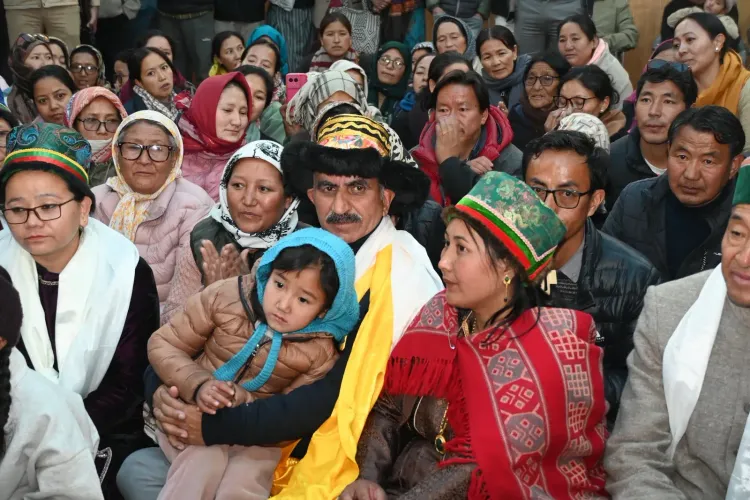
The Chief Minister's Office of Himachal Pradesh shared images of an overnight stay in remote Rangrik village in Spiti Valley on 15 October 2026, where the CM participated in traditional dance dressed in local attire — a rare cultural immersion in one of India's most isolated tribal communities.
Key Takeaways
The HP Chief Minister spent a night in Rangrik village , Spiti Valley, on 15 October 2026 .
The CM participated in traditional folk dance while dressed in local tribal attire .
Rangrik is a remote settlement in the Lahaul and Spiti district , rooted in Indo-Tibetan Buddhist culture.
The post describes a 'deep bond' between the CM and the village, suggesting prior connection to the community.
Such immersive visits by state leaders in Spiti have historically preceded announcements on infrastructure, cultural preservation, or eco-tourism for the region.
High above the treeline, in the cold-desert silence of Rangrik village in Spiti Valley, the Chief Minister's Office of Himachal Pradesh on Thursday, 15 October 2026 shared a rare glimpse of governance that looks nothing like a secretariat — an overnight stay among villagers, a borrowed traditional costume, and an impromptu folk dance.
The post, shared from the official CMO Himachal Pradesh account, reads: 'स्पीति घाटी की ठंडी वादियों में बसे रंगरिक गाँव में रात्रि प्रवास के दौरान स्थानीय लोगों के साथ उनकी परंपराओं को करीब से जानने का अवसर मिला।' — 'During an overnight stay in Rangrik village, nestled in the cold valleys of Spiti, I got an opportunity to closely learn about local traditions with the residents. The village holds a deep bond for me. Joining the villagers in traditional dance, dressed in local attire, was a joyful experience.'
Rangrik and the Spiti connection
Rangrik is a remote settlement in the Lahaul and Spiti district of Himachal Pradesh — one of the most geographically isolated communities in India, perched at altitudes that make road access seasonal and mobile connectivity sporadic. The region's culture is deeply rooted in Indo-Tibetan Buddhist heritage: distinctive woollen attire, monastery-centred social life, and folk dances that mark everything from harvests to community milestones.
The valley's extreme winters and fragile high-altitude ecology mean that state-level attention — when it comes — carries outsized significance for residents who live far from administrative centres. The Chief Minister's choice to stay overnight, rather than a brief ceremonial stop, signals a deliberate effort to go beyond a photo opportunity.
Why such visits matter in the Himalayas
Himachal Pradesh's tribal belt, which includes Spiti alongside Kinnaur and parts of Chamba, occupies a delicate policy space. These communities qualify for Scheduled Tribe protections, and their cultural traditions — oral histories, ritual dances, handloom craft — are recognised as irreplaceable national heritage. State leaders periodically make immersive visits to these valleys as part of broader governance-outreach efforts, and they have historically preceded announcements on rural infrastructure, cultural preservation funding, or eco-tourism frameworks.
Whether this overnight stay in Rangrik translates into specific policy follow-through for Spiti's villages is the question that residents and observers will now watch for.
Point of View
Not just administratively top-down. For a state where nearly a dozen districts are classified as tribal or border areas, this kind of visible cultural immersion carries electoral as well as administrative currency. The reference to a 'deep personal bond' with Rangrik invites scrutiny: if genuine, it reflects the kind of ground-level relationship-building that has historically preceded durable policy commitments in Spiti. The real test will be whether the warmth of the overnight visit is followed by cold-weather infrastructure funding when passes close.
NationPress
15 Oct 2026
Frequently Asked Questions
Where is Rangrik village located?
Rangrik is a remote village in the Spiti Valley, part of the Lahaul and Spiti district of Himachal Pradesh, situated in a high-altitude cold-desert region near the Tibet border.
Why did the Himachal Pradesh CM visit Spiti Valley?
According to the official CMO post, the visit included an overnight stay in Rangrik village to engage closely with local traditions, participate in folk dance in traditional attire, and strengthen ties with the community.
What is the culture of Spiti Valley?
Spiti Valley has a distinct Indo-Tibetan Buddhist culture, characterised by ancient monasteries, traditional woollen attire, folk music and dance, and oral traditions that reflect centuries of geographic and cultural exchange across the Himalayan border.
What is the significance of CM visits to tribal areas in Himachal Pradesh?
Himachal Pradesh's tribal belt — including Spiti, Kinnaur and parts of Chamba — is geographically isolated and covered by Scheduled Tribe protections. State-level visits are significant for residents and often precede announcements on infrastructure, cultural preservation, or tourism policy.
Is Spiti Valley open to tourists year-round?
No. Spiti Valley is accessible by road only for part of the year; high-altitude passes such as Rohtang and Kunzum close in winter, making the valley one of India's most seasonally inaccessible regions.