CM Sukhu Secures Kishau Dam Deal, HP to Gain Rs 600 Cr Yearly
Synopsis
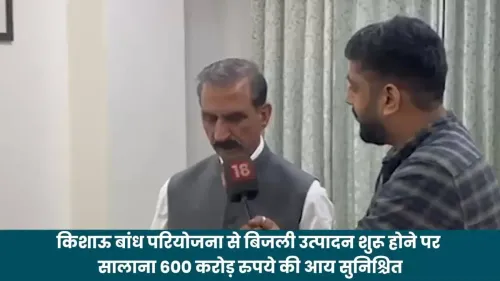
HP CM Sukhvinder Singh Sukhu announced a breakthrough on the stalled Kishau Dam Project after a meeting chaired by Union Home Minister Amit Shah. Delhi, Haryana and Rajasthan will now drive the project forward; Himachal Pradesh will bear no costs and expects roughly Rs 600 crore annually for five years.
Key Takeaways
The Kishau Dam Project on the Tons River has been pending since 2018 despite its national importance designation.
A high-level meeting chaired by Union Home Minister Amit Shah on June 16, 2026 produced a revised inter-state consensus.
Delhi , Haryana , and Rajasthan will jointly take the project forward, replacing the earlier cost-sharing model with Uttarakhand and Himachal Pradesh.
Himachal Pradesh will not contribute any funds to the project under the new arrangement.
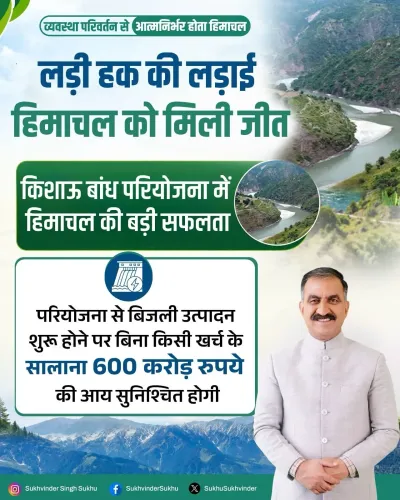
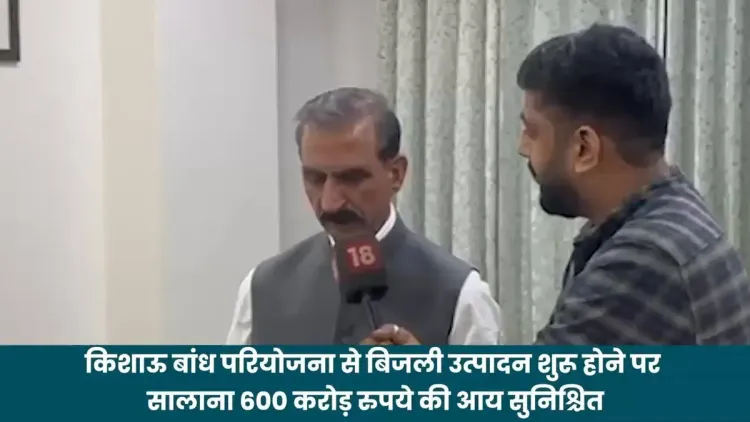
CM Sukhu stated the state expects to receive approximately Rs 600 crore per year for the next five years.
The earlier BJP-era agreement had fixed power generation costs at approximately Rs 2.30 per unit to be shared between Himachal Pradesh and Uttarakhand — a clause the Sukhu government successfully challenged.
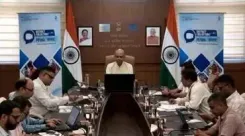
Himachal Pradesh Chief Minister Sukhvinder Singh Sukhu announced on Tuesday, June 16, 2026, that a long-pending breakthrough has been reached on the Kishau Dam Project, a multipurpose scheme declared of national importance, following a high-level inter-state meeting chaired by Union Home Minister Amit Shah in New Delhi. The Chief Minister stated that Himachal Pradesh will not bear any project expenditure and is expected to receive approximately Rs 600 crore annually over the next five years.
Context
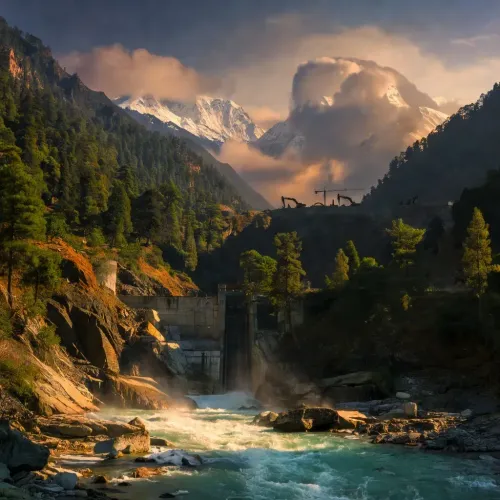
The Kishau Dam Project, proposed on the Tons River — a tributary of the Yamuna — has remained stalled since 2018 despite being designated a project of national importance. The dam is designed to serve dual purposes: hydropower generation and irrigation supply to northern states. Inter-state disagreements over cost allocation had repeatedly delayed its progress.
Chief Minister Sukhu posted on X, 'हिमाचल प्रदेश के हितों से समझौता किए बिना लिया गया यह निर्णय राज्य की आर्थिक मजबूती और आत्मनिर्भरता की दिशा में मील का पत्थर साबित होगा' — translated: 'This decision, taken without compromising the interests of Himachal Pradesh, will prove to be a milestone towards the state's economic strength and self-reliance.'
Policy Backdrop
Under an agreement reached during the previous BJP government in Himachal Pradesh, both Himachal Pradesh and Uttarakhand were obligated to share power generation costs at approximately Rs 2.30 per unit. The Sukhu government contested this arrangement, arguing that states receiving water from the project were being subsidised by the central government, while states generating electricity from the same water were being asked to bear the full cost — a position the Chief Minister described as inequitable.
Inter-state Himalayan river projects have historically been flashpoints over cost-sharing between upper riparian states, which bear the burden of submergence and construction, and lower riparian states that receive the water and power benefits. The Home Ministry's facilitation of this revised arrangement follows an established federal pattern for reviving stalled Yamuna-basin schemes through renegotiated funding models.
Stakeholders and Impact
Following detailed deliberations at the meeting, a consensus was reached that Delhi, Haryana, and Rajasthan — the three lower riparian beneficiary states — will jointly take the project forward. Himachal Pradesh will not be required to invest any funds in the project. CM Sukhu stated that the state stands to gain approximately Rs 600 crore per year over the next five years as a result of this arrangement.
The Chief Minister framed the outcome as a victory for the state's 75 lakh residents, saying the decision was reached without compromising Himachal Pradesh's interests. Uttarakhand, which had shared cost obligations with Himachal under the earlier agreement, is not named among the three states now tasked with advancing the project, signalling a significant restructuring of the earlier tripartite framework.
What's Next
The immediate next step will be the formalisation of a revised inter-state agreement to be signed by Delhi, Haryana, and Rajasthan, along with the release of central funding to begin project execution. The restructured arrangement removes a key financial barrier that had kept the project dormant for nearly eight years. Whether the formal agreement and funding disbursement follow swiftly will determine if the Kishau Dam Project finally moves from policy intent to ground-level construction.
Point of View
Who leveraged the Congress government's disagreement with a BJP-era cost formula to secure a zero-expenditure arrangement for Himachal Pradesh. By shifting the financial burden to lower riparian states Delhi, Haryana, and Rajasthan, the Centre has effectively restructured a stalled project through political accommodation rather than legal adjudication — a model it has used before in Yamuna-basin disputes. For Sukhu, the announcement also serves a domestic political purpose: framing a Congress-led state government as a firm negotiator against a Centre led by the opposition BJP. The durability of this arrangement will depend on how quickly the three beneficiary states formalise their commitments and whether central grants materialise on schedule.
NationPress
15 Sept 2026
Frequently Asked Questions
What is the Kishau Dam Project?
The Kishau Dam Project is a multipurpose hydropower and irrigation scheme on the Tons River, a Yamuna tributary, that has been designated a project of national importance. It is designed to supply water to northern states and generate electricity, but has remained stalled since 2018 due to inter-state cost-sharing disputes.
What was decided at the Amit Shah meeting on Kishau Dam?
At the meeting chaired by Union Home Minister Amit Shah on June 16, 2026, it was agreed that Delhi, Haryana, and Rajasthan will jointly advance the Kishau Dam Project. Himachal Pradesh will not bear any project expenditure under the revised arrangement.
How much will Himachal Pradesh benefit from the Kishau Dam deal?
CM Sukhu stated that Himachal Pradesh is expected to receive approximately Rs 600 crore per year for the next five years as a result of the new arrangement, without spending any state funds on the project.
Why did Himachal Pradesh object to the earlier Kishau Dam agreement?
The earlier agreement, reached under the previous BJP government in Himachal Pradesh, required Himachal and Uttarakhand to bear power generation costs at roughly Rs 2.30 per unit. The Sukhu government argued it was inequitable for states generating electricity to bear full costs while water-receiving states received central grants.
What is the role of Uttarakhand in the Kishau Dam Project now?
Uttarakhand was part of the earlier cost-sharing framework with Himachal Pradesh but is not named among the three states — Delhi, Haryana, and Rajasthan — now tasked with advancing the project, indicating a significant restructuring of the original inter-state arrangement.