HP CM Sukhu launches robotic surgery at 4 govt medical colleges
Synopsis
Chief Minister Sukhvinder Singh Sukhu announces robotic surgery facilities are now live at four Himachal Pradesh government medical colleges — Chamiana, IGMC Shimla, Nerchowk, and Tanda — bringing precision surgical care to poor and needy patients across the hill state.
Key Takeaways
Robotic surgery is now operational at four government medical colleges in Himachal Pradesh: Chamiana, IGMC Shimla, Nerchowk, and Tanda.
CM Thakur Sukhvinder Singh Sukhu confirmed the launch on 28 October 2026 , stating the aim is to provide modern treatment to poor and needy patients.
The rollout spans all major regions of the state — Shimla, Kangra, and Mandi districts — making it a simultaneous state-wide deployment rather than a pilot.
IGMC Shimla is Himachal Pradesh's premier tertiary care referral centre; Tanda serves Kangra valley; Nerchowk was built to expand specialist care in central HP.
Robotic surgery minimises blood loss and shortens recovery — particularly valuable in a mountainous state where hospital travel is long and arduous.
Training of faculty and tracking of patient outcomes at each college will determine whether the investment delivers on its public-health promise.
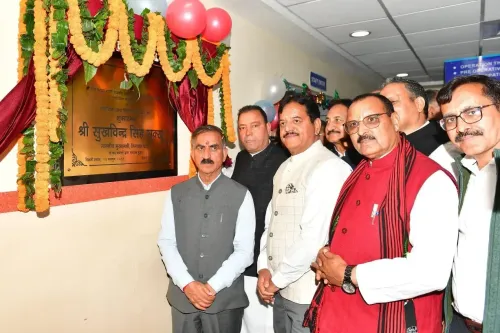
Four government medical colleges in Himachal Pradesh are now equipped with robotic surgery systems — a leap that brings operating-theatre precision once reserved for elite private hospitals directly to patients who cannot afford them. The Chief Minister's Office of Himachal Pradesh confirmed on Wednesday, 28 October 2026 that Chief Minister Thakur Sukhvinder Singh Sukhu announced the facility is live at Chamiana, Indira Gandhi Medical College (IGMC) Shimla, Nerchowk, and Tanda Medical College in the state.
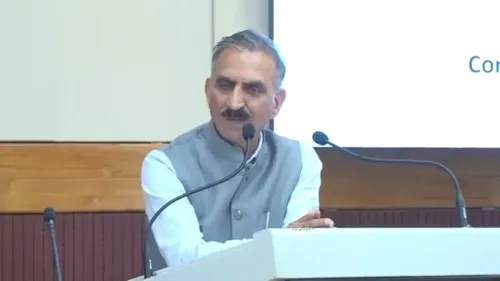
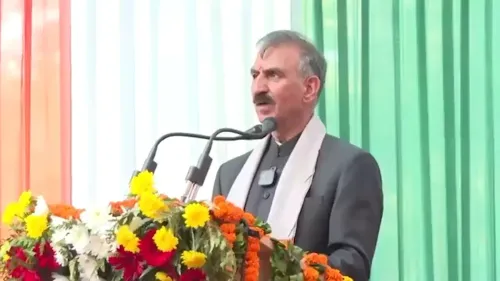
In his statement, CM Sukhu said: 'Today, robotic surgery facilities have been launched at Chamiana, IGMC, Nerchowk, and Tanda Medical Colleges in Himachal Pradesh, enabling poor and needy people to access better treatment through modern technology.' The announcement covers all four corners of the hill state — from Shimla in the south to Kangra district's Tanda in the north, and Mandi district's Nerchowk in the centre.
Four campuses, one surgical revolution for the hills
IGMC Shimla is Himachal Pradesh's premier tertiary care institution and the state's busiest referral destination. Dr. Rajendra Prasad Government Medical College, Tanda, serves the wide Kangra valley, while Shri Lal Bahadur Shastri Government Medical College, Nerchowk was established specifically to expand specialist care in the central districts. Adding robotic surgery across all four simultaneously signals a coordinated, state-wide rollout rather than a pilot at a single flagship campus.
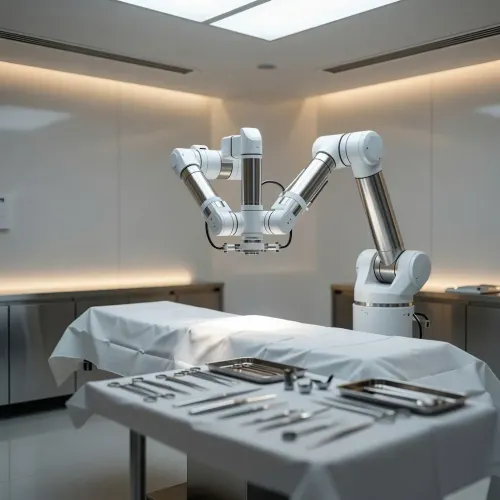
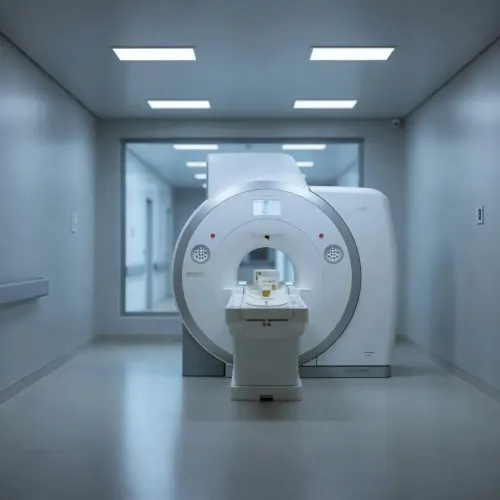
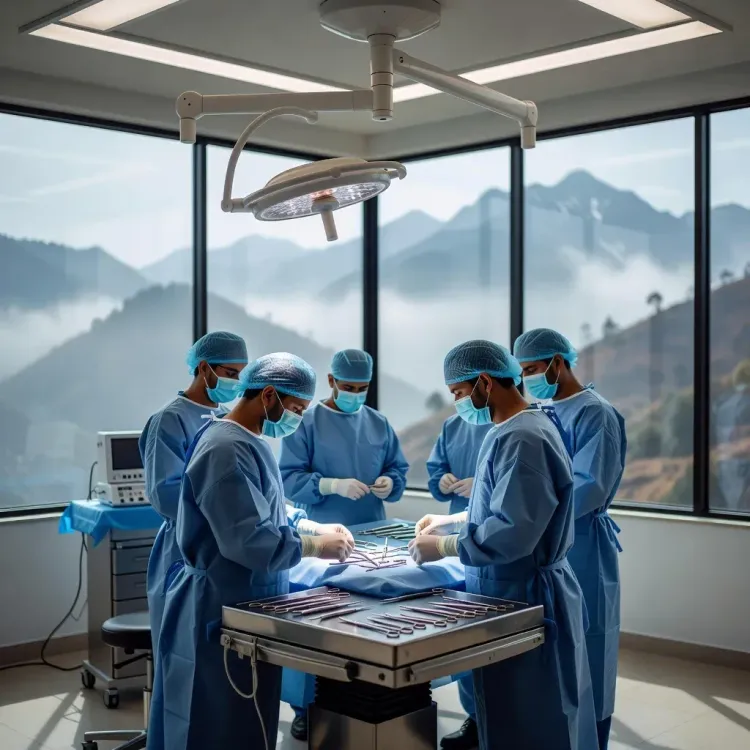
Robotic surgical systems allow surgeons to perform minimally invasive procedures with enhanced dexterity and precision — typically reducing blood loss, shortening hospital stays, and lowering complication rates. For a mountainous state where patients often travel hours over difficult terrain to reach a hospital, faster recovery times carry an outsized benefit.
Why Himachal's move fits a national pattern — and still stands out
Over the past decade, several Indian states have introduced robotic platforms into government medical colleges to cut down on referrals to metro hospitals in Delhi or Chandigarh. Hill and smaller states have been particularly motivated: every patient sent outside the state represents a double burden of medical cost and travel. Himachal Pradesh's decision to deploy simultaneously at four institutions — rather than staging a single-site trial — suggests confidence in both the infrastructure and the trained faculty available.
What happens next matters as much as the launch itself. The quality of outcomes will depend on structured training programmes for surgeons and paramedics at each college, and on steady case volumes that keep operating teams practised. The government will need to track patient data and publish results to demonstrate that the investment is genuinely reaching the poor and marginalised communities CM Sukhu cited.
For a state often seen as a benchmark for public health spending relative to its size, this move raises the bar — and the pressure to deliver on the promise of modern care for all.
Point of View
And it fits a Congress-governed state's broader narrative of welfare-oriented governance. The real test, however, is institutional: training pipelines, maintenance contracts, and outcome tracking will determine whether this becomes a durable health gain or a launch-day headline. If case volumes and complication rates are made public, Himachal Pradesh could set a replicable model for small and hill states across India.
NationPress
28 Oct 2026
Frequently Asked Questions
Which hospitals in Himachal Pradesh now have robotic surgery?
Robotic surgery is now operational at four government medical colleges: Chamiana, Indira Gandhi Medical College (IGMC) in Shimla, Nerchowk (Mandi district), and Dr. Rajendra Prasad Government Medical College in Tanda (Kangra district).
What did CM Sukhu say about robotic surgery in Himachal Pradesh?
CM Thakur Sukhvinder Singh Sukhu stated on 28 October 2026 that the robotic surgery facility has been launched at the four government medical colleges to provide better treatment to poor and needy people through modern technology.
Is robotic surgery available for free at government hospitals in Himachal Pradesh?
CM Sukhu's announcement emphasises access for poor and needy patients through government facilities, though specific fee structures or subsidy details have not been confirmed in the available information.
What is IGMC Shimla?
Indira Gandhi Medical College (IGMC) in Shimla is Himachal Pradesh's premier government medical college and tertiary care centre, serving as the state's main referral hospital.
Why is robotic surgery significant for a hill state like Himachal Pradesh?
Robotic surgery allows minimally invasive procedures with faster recovery times, which is especially valuable in Himachal Pradesh where patients often travel long distances over difficult mountain terrain to reach specialist care.