HP CMO: Wild Flower Hall e-auction yields 47.1% revenue surge
Synopsis
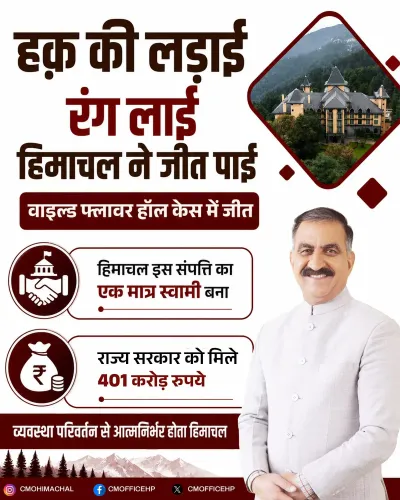
Himachal Pradesh's e-auction of Wild Flower Hall Hotel in Mashobra, Shimla has produced a record 47.1% revenue increase, with the state set to earn roughly ₹3 crore per month over a 35-year license period, with a 3% annual escalation built in.
Key Takeaways
The e-auction of Wild Flower Hall Hotel delivered a 47.1% record revenue increase , announced by the HP Chief Minister's Office on November 1, 2026 .
The winning bid locks in approximately ₹3 crore per month in revenue for the state over a 35-year license period .
A 3% annual escalation clause is embedded in the agreement, increasing payouts every year.
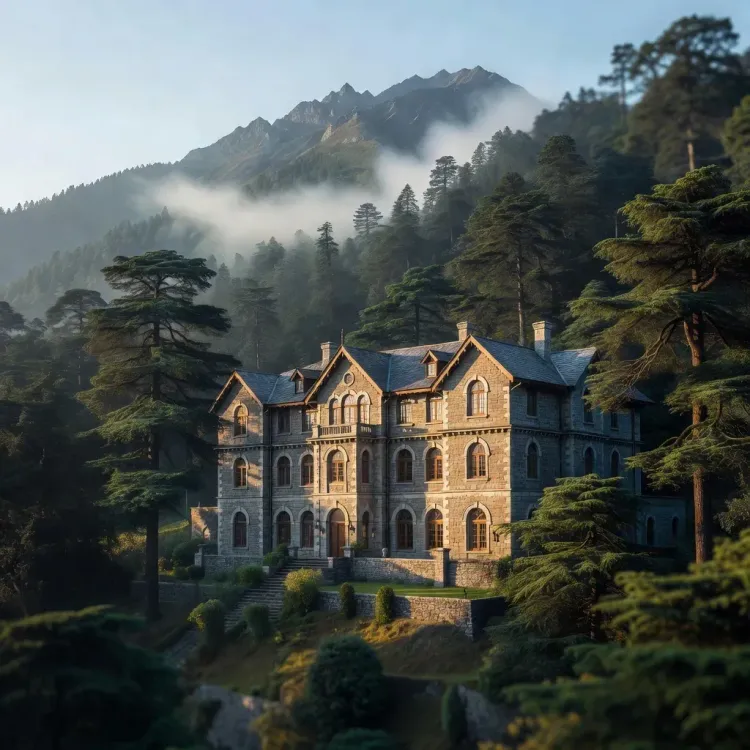
Wild Flower Hall is a luxury heritage property in Mashobra, Shimla district , one of Himachal Pradesh's most prominent tourism assets.
The result reinforces a broader Indian state trend of using transparent e-auctions to maximise returns on government-owned hospitality properties.
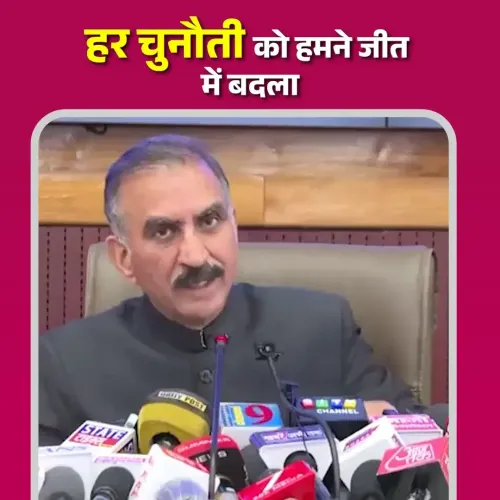
A single hotel auction just handed Himachal Pradesh a landmark revenue milestone. The Chief Minister's Office of Himachal Pradesh announced on Sunday, November 1, 2026 that the e-auction of the iconic Wild Flower Hall Hotel has delivered a 47.1 percent record jump in revenue — a result the CMO called a matter of pride for the entire state.
The post, shared in Hindi, stated: 'The 47.1% record revenue growth in the e-auction of Wild Flower Hall Hotel is a matter of pride for all of Himachal Pradesh. During the 35-year license period, revenue of approximately ₹3 crore per month will be received, with an annual increase of 3 percent.'
What the Wild Flower Hall numbers actually mean
Run the arithmetic and the scale snaps into focus. At roughly ₹3 crore a month, the state is looking at approximately ₹36 crore annually from a single property — before the 3 percent yearly escalation clause kicks in. Over the full 35-year tenure, compounded growth means the later years of the license will generate significantly more than the opening years. That escalation structure is standard in long-term government hospitality leases across India, where 2–5 percent annual hikes are routinely embedded to offset inflation.
Wild Flower Hall, nestled in Mashobra in the Shimla district, is one of Himachal Pradesh's most recognisable luxury heritage properties, tracing its origins to the early twentieth century. Its brand value and location — commanding Himalayan vistas just outside Shimla — make it a premium asset in any tourism portfolio, and almost certainly drove competitive bidding that produced the eye-catching 47.1 percent jump.
HP's wider push to monetise state hospitality assets
This auction is not an isolated transaction — it sits inside a broader, deliberate strategy. Several Indian states have turned to long-term leasing and e-auctions of government-owned hospitality properties to unlock non-tax revenue and shed the maintenance burden that state-run hotels routinely carry. Himachal Pradesh, whose economy leans heavily on tourism, has used such mechanisms for properties in Shimla and other hill stations before.
The choice of an e-auction format is itself significant. Transparent electronic bidding reduces the scope for below-market deals and, as today's result shows, can push final bids well above reserve. A 47.1 percent premium over the benchmark is the kind of outcome that invites scrutiny of older, opaque lease arrangements and builds a political case for digitising future asset disposals.
The next test is whether the winning bidder completes all license formalities without dispute, and whether the state follows up with e-auctions of other government-owned resorts and hotels — a watch-point that tourism operators and the state finance department will both track closely.
Point of View
Long-term license income from heritage properties offers a stable, inflation-proofed revenue stream that bypasses the volatility of annual budget allocations. The 35-year tenure also suggests the government is prioritising durable asset monetisation over short-term gains. If license formalities close cleanly, expect the CMO to position further e-auctions of state-owned hotels as a signature governance reform.
NationPress
1 Nov 2026
Frequently Asked Questions
What is Wild Flower Hall Hotel and where is it located?
Wild Flower Hall is a luxury heritage hotel in Mashobra, Shimla district, Himachal Pradesh, originally built in the early 20th century. It is one of the state's most prominent high-end tourism properties with commanding Himalayan views.
How much revenue will Himachal Pradesh earn from the Wild Flower Hall lease?
According to the Chief Minister's Office, the state will earn approximately ₹3 crore per month over the 35-year license period, with a 3% annual increase built into the agreement.
What does the 47.1% revenue growth in the Wild Flower Hall auction mean?
It means the final bid in the e-auction was 47.1% higher than the previous benchmark or reserve, representing a record jump in the revenue the state will receive for this property.
Why did Himachal Pradesh choose an e-auction for Wild Flower Hall Hotel?
E-auctions bring transparency and competitive bidding to government asset leasing, reducing the scope for below-market deals. The 47.1% premium achieved suggests the format drove significantly higher bids than a conventional process might have.
What is the significance of the 3% annual escalation clause in the Wild Flower Hall lease?
The 3% yearly increase is an inflation-offsetting mechanism standard in long-term government hospitality leases. It ensures the state's monthly revenue grows each year over the full 35-year period, making the total earnings substantially higher than the opening-year figure.