HP CM's Office Addresses Himalayan Resilience Workshop at HIPPA
Synopsis
Himachal Pradesh's Chief Minister addressed the closing ceremony of a high-level workshop on resilient infrastructure planning in the Himalayas, held at HIPPA in Shimla on 10 July 2026, highlighting the state's push to embed climate resilience into administrative and infrastructure planning practices.
Key Takeaways
The Chief Minister of Himachal Pradesh addressed the closing ceremony of a high-level workshop on 10 July 2026 .
The workshop theme was 'Towards Resilience Infrastructure Planning in Himalaya' .
The event was held at Dr.
Manmohan Singh Himachal Pradesh Institute of Public Administration (HIPPA) in Shimla .
HIPPA is the state's premier civil service training institute, named after former Prime Minister Dr.
India's National Mission for Sustaining the Himalayan Ecosystem (launched 2010 ) provides the national policy backdrop for such capacity-building efforts.
State adoption of workshop recommendations into Himachal Pradesh's infrastructure and disaster management policies is the key outcome to watch.
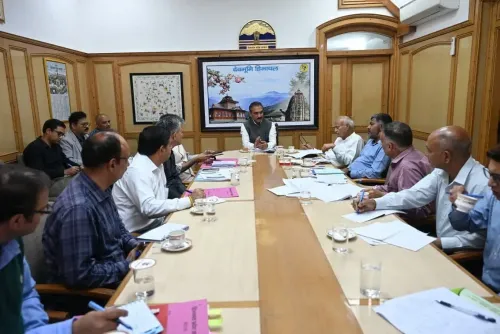
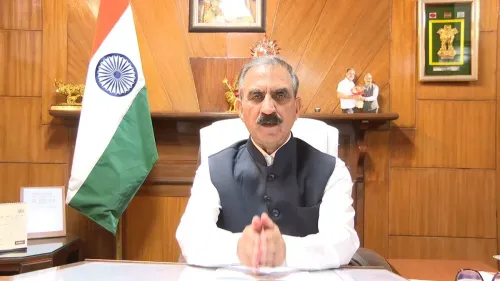
The Chief Minister's Office of Himachal Pradesh announced on Friday, 10 July 2026, that the Chief Minister addressed the closing ceremony of a high-level workshop on 'Towards Resilience Infrastructure Planning in Himalaya' ('Towards Resilience Infrastructure Planning in Himalaya'), held at the Dr. Manmohan Singh Himachal Pradesh Institute of Public Administration (HIPPA) in Shimla.
Context
The workshop, convened at HIPPA — the state's premier civil service training institute named after former Prime Minister Dr. Manmohan Singh — brought together administrators and planners to deliberate on building climate-resilient infrastructure across the Himalayan region. The Chief Minister's participation in the closing ceremony signals the state government's emphasis on translating policy intent into administrative practice.
The post states that the Chief Minister 'addressed the closing ceremony of the high-level workshop on the topic Towards Resilience Infrastructure Planning in Himalaya, held at HIPPA, Shimla today.' The event underscores Himachal Pradesh's continued engagement with infrastructure vulnerability in mountain terrain.
Policy Backdrop
India's National Mission for Sustaining the Himalayan Ecosystem, launched in 2010 under the National Action Plan on Climate Change, laid the foundational policy architecture for addressing climate risks specific to Himalayan states. Himachal Pradesh, as a frontline Himalayan state, has repeatedly faced the consequences of extreme weather events — including cloudbursts, flash floods, and landslides — that expose critical gaps in infrastructure resilience.
Capacity-building exercises at administrative academies such as HIPPA serve as a critical bridge between national climate missions and on-the-ground state-level planning. Workshops of this nature are designed to equip civil servants and planners with frameworks to embed resilience standards into infrastructure approvals, land-use decisions, and disaster preparedness protocols.
Stakeholders and Impact
The primary stakeholders are Himachal Pradesh's state administration, district-level infrastructure planners, and the broader network of Himalayan state governments grappling with similar terrain-specific vulnerabilities. Recommendations emerging from such workshops, when adopted, can influence how the state allocates funds for roads, bridges, and public utilities in ecologically sensitive zones.
Communities in high-altitude and river-valley areas stand to benefit most directly if workshop outcomes feed into revised planning guidelines. The Himalayas are central to India's water security, and infrastructure decisions made at the state level carry consequences well beyond provincial boundaries.
What's Next
Attention will now turn to whether Himachal Pradesh formally incorporates workshop recommendations into its upcoming infrastructure and disaster management policy frameworks. The state's next budget cycle and its submissions under centrally sponsored schemes will be key indicators of how deeply resilience planning is being institutionalised.
The holding of this workshop at HIPPA — an institution that trains serving officials — suggests an intent to mainstream resilience thinking within the bureaucracy itself, rather than confining it to external consultations. Whether that intent translates into binding planning norms remains the critical question going forward.
Point of View
A domain that has gained urgency after successive monsoon disasters in Himachal Pradesh. Holding the event at HIPPA, an institution that trains serving officials, reflects a strategy of embedding resilience thinking within the bureaucracy rather than relying on external advisory processes. This fits a broader pattern visible across Himalayan states of converting post-disaster political pressure into structured capacity-building exercises. The real test, however, lies in whether these workshops produce binding changes to planning norms or remain aspirational exercises in policy theatre.
NationPress
10 Jul 2026
Frequently Asked Questions
What was the workshop held at HIPPA Shimla about?
The workshop was titled 'Towards Resilience Infrastructure Planning in Himalaya' and focused on building climate-resilient infrastructure planning practices for the Himalayan region. It was a high-level event attended by administrators and planners in Himachal Pradesh.
What is HIPPA Shimla?
HIPPA stands for the Dr. Manmohan Singh Himachal Pradesh Institute of Public Administration, located in Shimla. It is the state's premier training institute for civil servants and administrators, named after former Prime Minister Dr. Manmohan Singh.
Why is resilient infrastructure planning important for Himachal Pradesh?
Himachal Pradesh lies in the ecologically sensitive Himalayan region, which is highly prone to extreme weather events such as cloudbursts, flash floods, and landslides. These events repeatedly damage roads, bridges, and other infrastructure, making resilience planning a critical priority.
What is India's national policy on Himalayan ecosystem protection?
India launched the National Mission for Sustaining the Himalayan Ecosystem in 2010 as part of the National Action Plan on Climate Change. The mission aims to address climate vulnerabilities specific to Himalayan states, including infrastructure and water security risks.
What happens after the HIPPA resilience infrastructure workshop?
The key next step is whether Himachal Pradesh formally integrates the workshop's recommendations into its infrastructure approvals, land-use planning, and disaster management policy frameworks. Upcoming state budget allocations and submissions under centrally sponsored schemes will indicate how seriously the outcomes are being adopted.