HP Govt Targets 10,000 Saplings in Week-Long Green Drive
Synopsis
Himachal Pradesh's Chief Minister's Office announced a week-long plantation drive targeting 5,000-10,000 saplings, with state ministers joining public events and Shimla Municipal Corporation councillors receiving baan and deodar saplings to boost citizen participation in afforestation.
Key Takeaways
The Chief Minister's Office of Himachal Pradesh announced details of a week-long plantation campaign on 6 August 2026 .
The campaign targets planting between 5,000 and 10,000 saplings during its current phase.
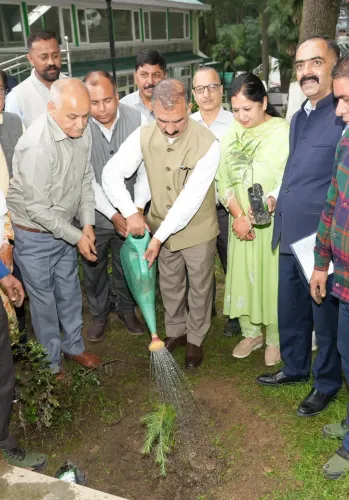
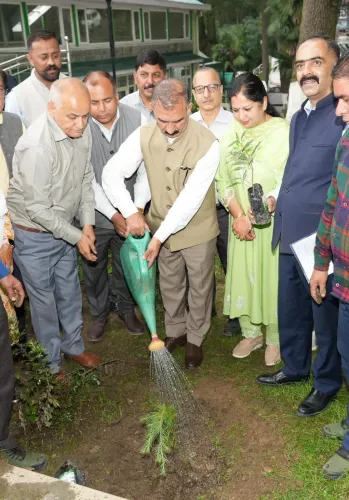
State cabinet ministers are participating in plantation events across the state to encourage janbhaagidaari (public participation).
Councillors of the Shimla Municipal Corporation received saplings of baan (Himalayan oak) and deodar (Himalayan cedar).
Deodar is the state tree of Himachal Pradesh and a keystone Himalayan species; Himalayan oak forests are critical water catchment zones.
The drive continues a tradition rooted in India's Van Mahotsav afforestation festival, observed since 1950 .
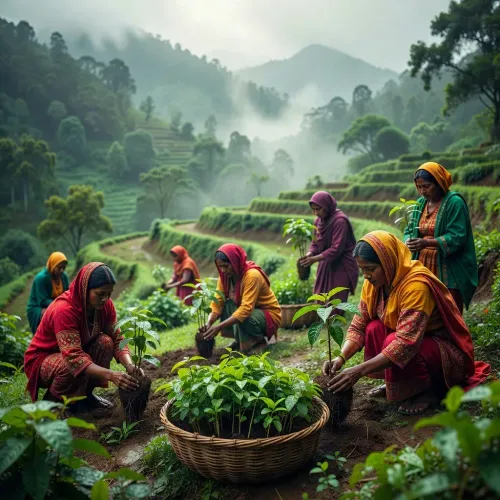
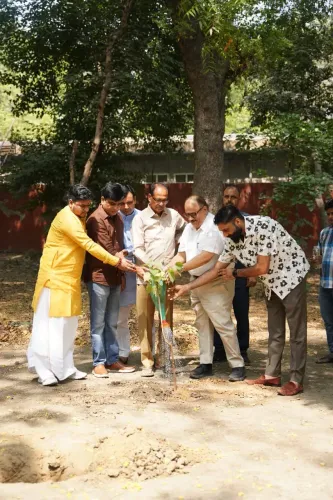
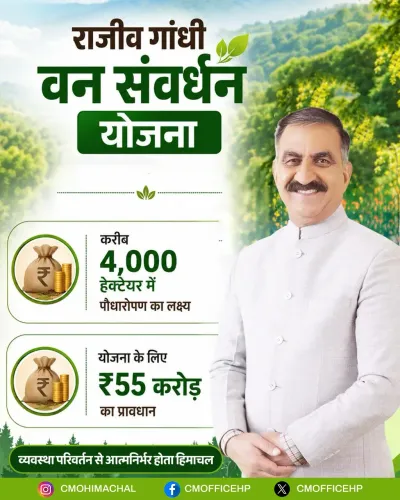
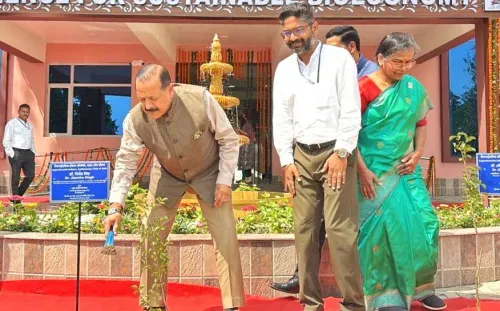
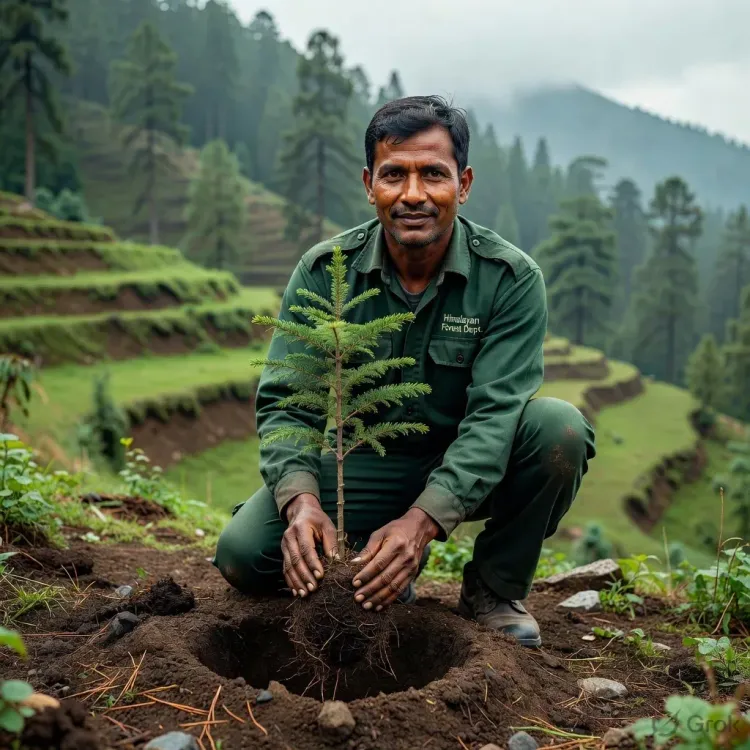
A week-long plantation campaign is underway across Himachal Pradesh, with state cabinet ministers stepping into the field — literally — to plant trees and pull citizens alongside them. The Chief Minister's Office of Himachal Pradesh shared details of the drive on 6 August 2026, announcing a target of planting between 5,000 and 10,000 saplings before the campaign concludes.
The post, originally in Hindi, states: 'saptaah bhar chalne waale is abhiyaan ke dauran pradesh sarkar ke mantri vibhinn paudharopan kaaryakramon mein bhaag lekar janbhaagidaari ko badhaawa denge' — 'During this week-long campaign, state government ministers will participate in various plantation programmes to promote public participation.' On the occasion, councillors of the Shimla Municipal Corporation were distributed saplings of baan (Himalayan oak) and deodar (Himalayan cedar), two ecologically significant species native to the region.
Shimla's Councillors Get Oak and Deodar Saplings
The distribution of baan and deodar saplings to Nagar Nigam Shimla councillors is a deliberate choice. Deodar is the state tree of Himachal Pradesh and a keystone species of the western Himalayan ecosystem. Himalayan oak forests are critical water catchments, their roots holding moisture that feeds springs and streams. Routing saplings through elected municipal representatives means the green push reaches neighbourhood streets, parks, and slopes that a top-down drive might miss.Ministers in the Field, Citizens as the Target
The explicit emphasis on janbhaagidaari — public participation — signals that the government is treating this as more than a photo opportunity. Having ministers attend plantation events across the state is a mobilisation strategy: when a cabinet member plants a tree in a local ground, it draws crowds, cameras, and, ideally, community follow-through. Himachal Pradesh has historically woven such campaigns into its forest conservation calendar, a tradition that traces its lineage to India's national Van Mahotsav festival, launched in 1950 to institutionalise annual afforestation across the country.5,000 to 10,000 Saplings — and What Comes After
The stated target of 5,000 to 10,000 plants for this campaign phase is a measurable commitment in a state where forest cover and ecological resilience are not abstract policy goals — they are survival infrastructure. The Himalayan region faces compounding climate pressures: erratic monsoons, shrinking glaciers, and landslide-prone terrain. Every sapling that survives is a small but real answer to those pressures. The real test, as always with plantation drives, will come in the survival audit: how many of these saplings take root, and whether the campaign's momentum carries into a second phase with an expanded target.Point of View
Afforestation is both an ecological imperative and a political signal of environmental seriousness. The 5,000-to-10,000 sapling range, however, leaves room for scrutiny: post-campaign survival audits will determine whether this drive translates into lasting forest cover or remains a seasonal headline.
NationPress
6 Aug 2026
Frequently Asked Questions
What is the Himachal Pradesh tree plantation campaign announced in August 2026?
It is a week-long afforestation drive by the Himachal Pradesh state government, targeting the planting of 5,000 to 10,000 saplings, with ministers participating in public plantation events and Shimla Municipal Corporation councillors receiving baan and deodar saplings.
What types of saplings were distributed to Shimla Municipal Corporation councillors?
Councillors received saplings of baan (Himalayan oak) and deodar (Himalayan cedar), both ecologically significant native species. Deodar is the state tree of Himachal Pradesh.
What is Van Mahotsav and how does it relate to this campaign?
Van Mahotsav is India's national tree-planting festival, launched in 1950 to promote annual afforestation. Himachal Pradesh's plantation drives, including this week-long campaign, are part of that long-standing tradition.
Why is afforestation important for Himachal Pradesh?
Himachal Pradesh is a biodiversity-rich Himalayan state facing climate pressures including erratic monsoons, glacial retreat, and landslide risk. Forest cover is critical for water catchment, ecological resilience, and slope stability.
How is the public being involved in HP's plantation drive?
State ministers are attending plantation events across districts to encourage citizen participation, and saplings are being distributed to elected municipal councillors who can drive local community planting efforts.