HP Mining Revenue Jumps 70% in Three Years: CM Office
Synopsis
Himachal Pradesh's Mining Wing review in Shimla on 29 July 2026 showed mineral revenue has grown nearly 70% over three years, rising from a ₹200 crore base in FY 2021-22, signalling tighter royalty enforcement and stronger non-tax receipts for the hill state.
Key Takeaways
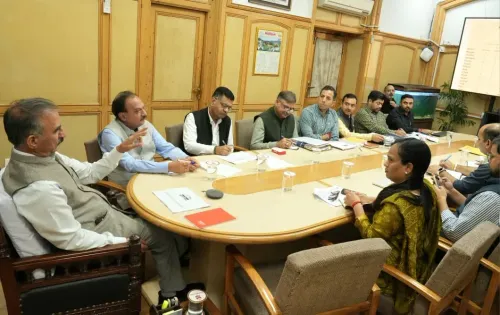
The Chief Minister's Office of Himachal Pradesh reviewed the Mining Wing under the Industries Department in Shimla on 29 July 2026 .
Mineral revenue has risen by approximately 70 percent over the past three years .
The baseline revenue from major and minor minerals in FY 2021-22 was ₹200 crore .
The growth reflects improved lease monitoring and royalty collection, not a change in mineral deposits.
Next budget statements and mining lease auctions will indicate whether the revenue trend is sustained.
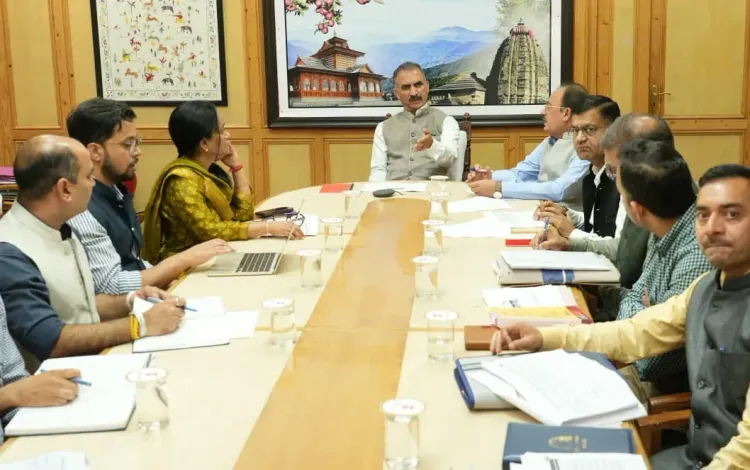
Himachal Pradesh's mountains are yielding more than scenery. A Wednesday, 29 July 2026 review of the Mining Wing under the state's Industries Department — chaired at Shimla — has revealed that mineral revenue has surged nearly 70 percent over the past three years, a figure that signals a quiet but consequential shift in how the hill state manages its natural resources.
The Chief Minister's Office of Himachal Pradesh posted the findings on X, noting that major and minor minerals together fetched just ₹200 crore in the financial year 2021-22 — a baseline that the state has now left well behind.
From ₹200 Crore to a 70% Climb
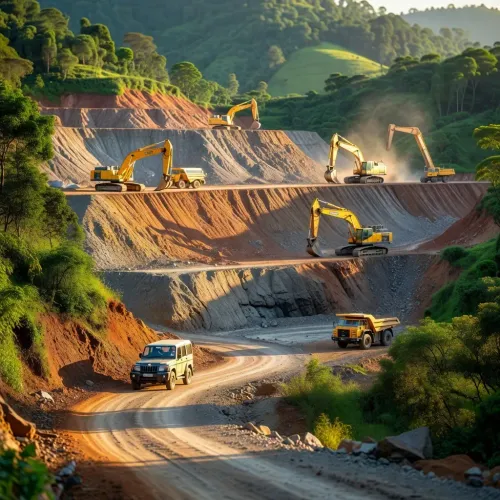
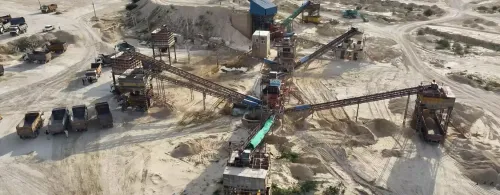
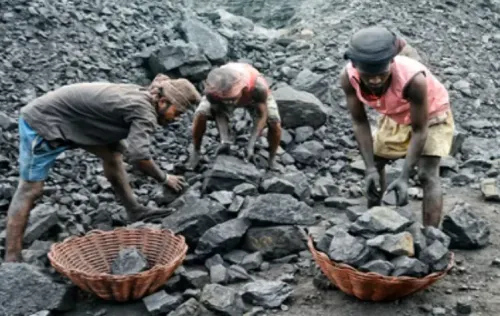
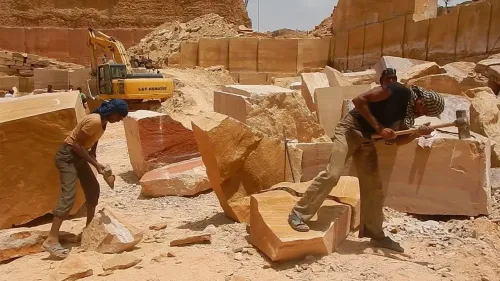
The jump is not accidental. Himachal Pradesh's mineral wealth — limestone, gypsum, riverbed sand, and a range of minor minerals — has historically been under-realised, with royalty collection hampered by inadequate lease monitoring and enforcement gaps. The three-year upswing points to tightened oversight of mining concessions and more systematic royalty recovery, mirroring steps taken by several other Indian states to squeeze more non-tax revenue from their geological endowments.
A 70 percent revenue increase on a ₹200 crore base implies receipts now approaching ₹340 crore — money that flows directly into state finances without borrowing. For a fiscally constrained hill state that depends heavily on central transfers, that is not a trivial gain.
Why the Mining Wing Review Matters Now
The Industries Department's Mining Wing sits at the intersection of environmental regulation, local livelihoods, and state revenue. Mining lessees — quarry operators, sand contractors, limestone extractors — are the direct counterparts to the state's royalty machinery. When the government signals a systematic review, it typically precedes either a fresh round of lease auctions, revised royalty rates, or stricter penalty enforcement. All three carry revenue and political consequences.
Himachal Pradesh's next budget cycle and any upcoming mining lease auctions will be the real test of whether this upward trend is structural or a one-cycle correction. The review in Shimla today sets the political marker: the government is watching the numbers, and it wants the public to know it.
Point of View
Sustained gains will depend on whether enforcement tightening translates into structural reforms such as transparent lease auctions and digital royalty tracking, or remains a short-cycle push. The broader pattern across Indian states suggests that without institutionalised monitoring, such revenue spikes can plateau quickly.
NationPress
29 Jul 2026
Frequently Asked Questions
How much has Himachal Pradesh's mining revenue grown in recent years?
The Chief Minister's Office of Himachal Pradesh reported a nearly 70 percent increase in mineral revenue over the past three years, rising from a base of ₹200 crore in FY 2021-22 .
What minerals does Himachal Pradesh mine?
Himachal Pradesh produces both major and minor minerals, including limestone, gypsum, riverbed sand , and other quarry materials regulated by the state's Industries Department Mining Wing.
What is the Mining Wing under HP's Industries Department?
The Mining Wing is the unit within Himachal Pradesh's Industries Department responsible for granting mineral concessions, monitoring mining leases, and collecting royalties from operators.
Why is mining revenue important for Himachal Pradesh?
Himachal Pradesh is a fiscally constrained hill state that relies heavily on central transfers. Mineral royalties are a key source of non-tax revenue , making their efficient collection critical to the state's finances.
What happens next after the HP mining review?
The next indicators to watch are upcoming mining lease auctions and the state's next budget statements , which will show whether the revenue growth trend continues or plateaus.