IAEA Chief Applauds India's Critical Milestone in Nuclear Energy at Kalpakkam

Synopsis
India achieves a significant nuclear milestone with the criticality of the Prototype Fast Breeder Reactor at Kalpakkam, praised by IAEA's Director General, Rafael Mariano Grossi. This advancement signifies a major step towards enhanced fuel sustainability and a more secure energy future.
Key Takeaways
Criticality achieved: India reaches a significant milestone with the Prototype Fast Breeder Reactor.
International recognition: IAEA's Director General praises India's progress.
Fuel sustainability: This achievement enhances India's energy security and sustainability.
Collaboration opportunities: Opens avenues for future partnerships with the IAEA.
Thorium utilization: Aligns with India's strategy to leverage its abundant thorium resources.
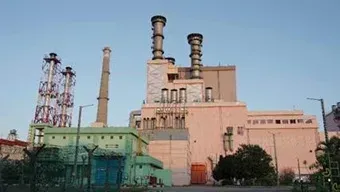
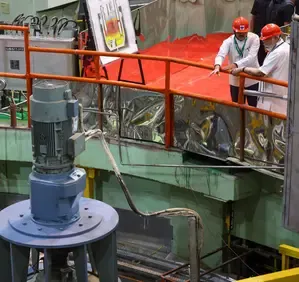
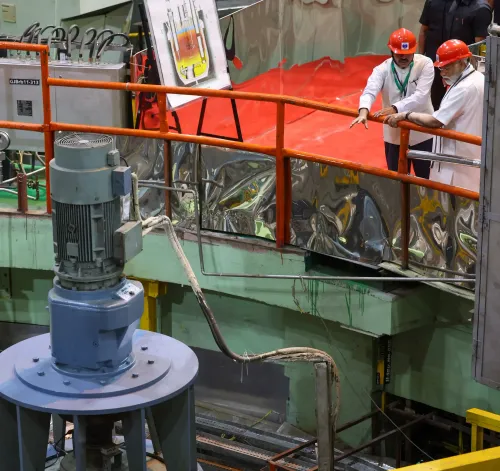
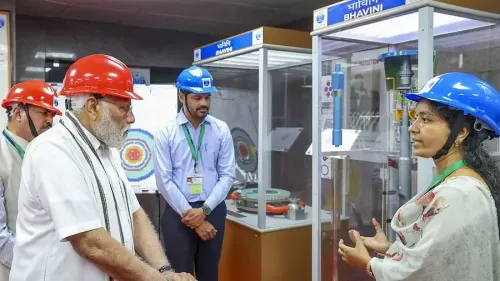
New Delhi, April 9 (NationPress) Rafael Mariano Grossi, the Director General of the International Atomic Energy Agency (IAEA), has expressed his admiration for India's significant achievement in reaching criticality of the Prototype Fast Breeder Reactor located at Kalpakkam in Tamil Nadu.
This milestone represents a crucial leap forward in the nation's homegrown nuclear initiative and its quest for enduring energy sustainability.
In a message on his official X account, Grossi referred to this development as "remarkable progress by India in attaining criticality of the Prototype Fast Breeder Reactor at Kalpakkam, a vital step in ensuring fuel sustainability and the advancement of nuclear energy's future."
He reiterated the IAEA's dedication to collaborating with India, stating that the agency "will persist in supporting the safe and secure advancement of India's nuclear program."
Grossi concluded his message on X by congratulating Prime Minister Narendra Modi.
Achieving criticality in a fast breeder reactor is an essential technical threshold, where the nuclear chain reaction becomes self-sustaining, allowing the reactor to generate more fuel than it consumes.
The Kalpakkam facility serves as a cornerstone of India's three-stage nuclear energy strategy, aimed at leveraging the country's rich thorium resources while enhancing fuel efficiency and minimizing reliance on imported uranium.
This international acknowledgment from the head of the global nuclear oversight body emphasizes India's increasing proficiency in advanced reactor technologies and its strong commitment to safety and security standards.
This achievement is expected to bolster India's standing in the global nuclear energy arena and pave the way for new partnerships with the IAEA focused on research, training, and technological innovation.
Experts consider the Prototype Fast Breeder Reactor as a crucial link towards commercial fast breeder operations, which will be instrumental in fulfilling India's growing energy needs through clean, trustworthy, and sustainable energy sources.
This development aligns with the Union government's broader vision of expanding nuclear capabilities to foster economic growth and environmental sustainability.
Grossi's remarks have been positively received within scientific and policy-making communities in India, raising morale among nuclear scientists and engineers who have diligently worked on this domestic initiative.
With the IAEA's ongoing support assured, India is well-positioned to advance its nuclear expansion objectives while upholding the highest standards of safety and non-proliferation.
This milestone at Kalpakkam emerges at a time when the global community seeks scalable, low-carbon energy solutions, with India's progress being viewed as a model for responsible nuclear development in emerging economies.
Officials have indicated that further updates regarding the reactor's operational performance and its integration into the national grid will be provided in due course.
Point of View
This achievement underscores India's commitment to advancing its indigenous nuclear capabilities. The recognition from the IAEA highlights both the country's technological advancements and its dedication to safety and security in nuclear energy. As India seeks to enhance its energy independence, this milestone also opens doors for further international collaboration.
NationPress
27 Oct 2026
Frequently Asked Questions
What is criticality in a nuclear reactor?
Criticality in a nuclear reactor refers to the point at which a nuclear chain reaction becomes self-sustaining, allowing the reactor to produce more fuel than it consumes.
What is the significance of the Prototype Fast Breeder Reactor?
The Prototype Fast Breeder Reactor is crucial for India's three-stage nuclear power strategy, enabling the use of thorium resources and improving fuel efficiency.
How does this achievement impact India's energy strategy?
This milestone strengthens India's position in the global nuclear energy sector and supports its goal of achieving energy sustainability through indigenous technology.
What role does the IAEA play in India's nuclear development?
The IAEA supports the safe and secure development of nuclear programs worldwide, collaborating with India to enhance its nuclear capabilities and safety standards.
What are the future implications of this milestone?
This development is expected to foster new partnerships and research initiatives, further advancing India's nuclear energy capabilities and sustainability efforts.