Varanasi biscuits exported to Oman for first time: 40 MT under India-Oman CEPA
Synopsis
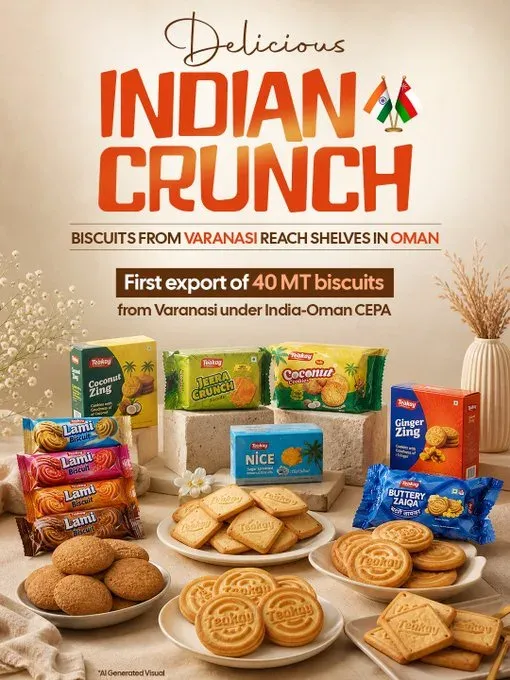
For the first time, biscuits made in Varanasi have reached Omani shelves — 40 MT shipped under the newly-effective India-Oman CEPA, with an MoU already in place for 700 MT to GCC countries this financial year. It is a small number, but a concrete early test of whether CEPA's duty-free provisions can convert preferential tariffs into real export orders for India's food processing sector.
Key Takeaways
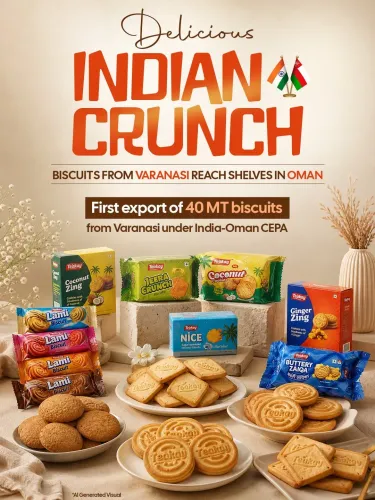
Commerce Minister Piyush Goyal announced on 3 July that 40 MT of Varanasi -made biscuits have been exported to Oman for the first time.
An MoU has been signed for nearly 700 MT of biscuit exports to Oman and other GCC countries in FY 2026–27 .
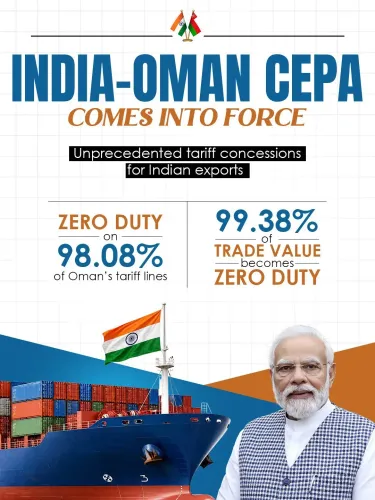
The India-Oman CEPA , signed on 18 December 2025 during PM Modi's visit to Muscat , came into effect on 1 June 2026 .
Bilateral trade between India and Oman rose to $10.61 billion in FY 2024–25 , up from $8.94 billion the previous year.
CEPA's preferential tariffs give Indian biscuits duty-free access to Oman , improving their price competitiveness against rival exporters.
Commerce Minister Piyush Goyal on Friday, 3 July announced that 40 metric tonnes (MT) of biscuits manufactured in Varanasi have been exported to Oman for the first time, marking an early commercial win under the India-Oman Comprehensive Economic Partnership Agreement (CEPA). The milestone signals a tangible export outcome from the trade pact that came into force just weeks ago.
The Export Deal and What Follows
Beyond the initial 40 MT shipment, an MoU has been signed for the supply of nearly 700 MT of biscuits to Oman and other Gulf Cooperation Council (GCC) countries during financial year 2026–27. The preferential tariff benefits under the CEPA have enabled duty-free access for Indian biscuits, making them more price-competitive against rival suppliers in the Omani market.
'This is expected to translate into higher export volumes and repeat orders from importers in the region. Clearly a big boost to our food processing sector with increased production and job generation,' Goyal said in a post on X.
The India-Oman CEPA: Background and Scope
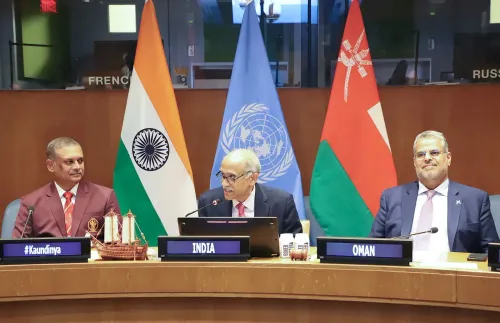
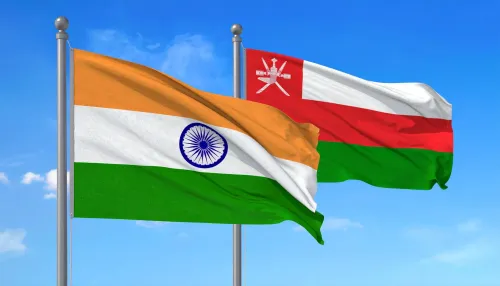
The India-Oman CEPA was signed on 18 December 2025 during Prime Minister Narendra Modi's visit to Muscat and came into effect on 1 June 2026. It covers trade in goods and services, investment, professional mobility, and regulatory cooperation under a single framework aimed at deepening bilateral economic integration.
Rather than targeting a single sector or tariff reduction, the agreement is designed to support steady, long-term economic engagement. It offers clearer rules, wider market access, and greater predictability for businesses and investors in both countries, according to an official statement.
Bilateral Trade in Context
Trade and commerce have been a cornerstone of India-Oman ties, with bilateral trade reaching $10.61 billion in FY 2024–25, up from $8.94 billion in FY 2023–24. Trade during April–October 2025 alone stood at $6.48 billion, reflecting strong momentum even before the CEPA formally took effect.
Impact on Food Processing and Employment
The Varanasi biscuit export is being positioned as a proof-of-concept for how CEPA's preferential tariffs can unlock demand for labour-intensive Indian manufacturing in Gulf markets. The food processing sector — which employs a significant share of semi-skilled workers in states like Uttar Pradesh — stands to benefit from sustained GCC demand if repeat orders materialise. This comes amid a broader government push to grow India's processed food exports as part of its agricultural value-addition strategy.
What to Watch
With an MoU in place for 700 MT of biscuit exports to GCC countries in FY 2026–27, the scale-up from the initial 40 MT shipment will be the key metric to track. Industry observers will also watch whether other food processing clusters — beyond Varanasi — begin leveraging CEPA's duty-free provisions to access Gulf markets in the months ahead.
Point of View
But the symbolism matters: it is the first verifiable consumer-goods export win from a CEPA that has been in force for barely a month. The real question is whether the 700 MT MoU converts into firm purchase orders — MoUs in trade diplomacy frequently do not. India's food processing exports to the Gulf have long been dominated by bulk commodities; getting value-added, branded products like biscuits onto GCC shelves at scale would be a structural shift. Varanasi's selection also carries political optics, but the underlying economics — duty-free access in a market where Indian products were previously undercut on price — are genuinely favourable. Execution, not announcement, will determine whether this becomes a template or a talking point.
NationPress
3 Jul 2026
Frequently Asked Questions
What is the India-Oman CEPA and when did it take effect?
The India-Oman Comprehensive Economic Partnership Agreement (CEPA) was signed on 18 December 2025 during PM Narendra Modi's visit to Muscat and came into force on 1 June 2026. It covers trade in goods and services, investment, professional mobility, and regulatory cooperation between the two countries.
Why are Varanasi biscuits now being exported to Oman?
The India-Oman CEPA grants duty-free access to Indian biscuits in Oman, making them more price-competitive against rival exporters. This preferential tariff benefit enabled the first-ever shipment of 40 MT of Varanasi-manufactured biscuits to Oman.
How much bilateral trade exists between India and Oman?
Bilateral trade between India and Oman reached $10.61 billion in FY 2024–25, up from $8.94 billion in FY 2023–24. Trade during April–October 2025 alone stood at $6.48 billion.
What is the MoU signed for biscuit exports to GCC countries?
An MoU has been signed for the supply of nearly 700 MT of biscuits from India to Oman and other Gulf Cooperation Council (GCC) countries during FY 2026–27, building on the initial 40 MT export to Oman.
How does this export milestone benefit India's food processing sector?
Commerce Minister Piyush Goyal said the development is expected to drive higher export volumes and repeat orders, boosting production and job generation in India's food processing sector. Labour-intensive manufacturing clusters like Varanasi stand to benefit from sustained GCC demand.