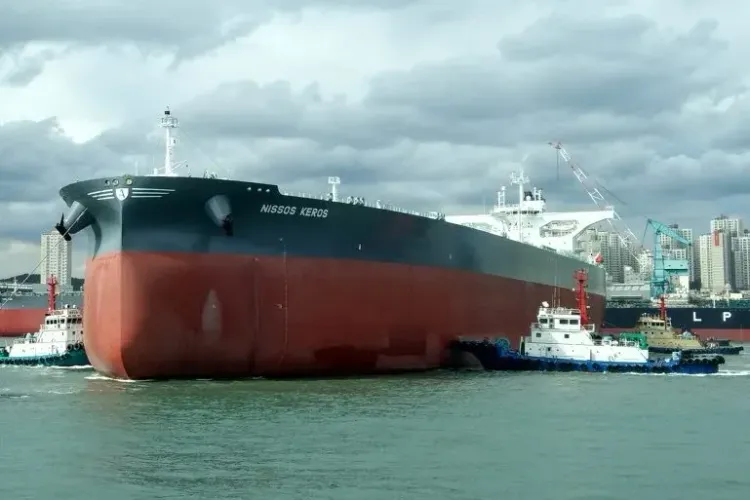
India-bound oil tanker Nissos Keros clears Strait of Hormuz amid Iran standoff
Synopsis
With 1,500 ships reportedly trapped in the Persian Gulf and Iran's IRGC controlling who gets through the Strait of Hormuz, the safe passage of one India-bound oil tanker is both a relief and a reminder of how fragile global energy supply has become. Tehran's push to charge transit fees — illegal under UN rules — and Trump's threat to strike Oman have turned the world's most critical maritime chokepoint into a live geopolitical flashpoint.
Key Takeaways
Oil tanker Nissos Keros has cleared the Strait of Hormuz and is headed to Visakhapatnam , expected to arrive on 3 June .
The vessel departed Sharjah on 21 May and was tracked in the Northern Arabian Sea on Friday morning.
Iran's IRGC Navy allowed 23 commercial vessels through the Strait in a 24-hour period, requiring formal coordination.
Iran's new Persian Gulf Strait Authority (PGSA) seeks to regulate — and reportedly charge fees for — Strait transits, which the UN has declared illegal.
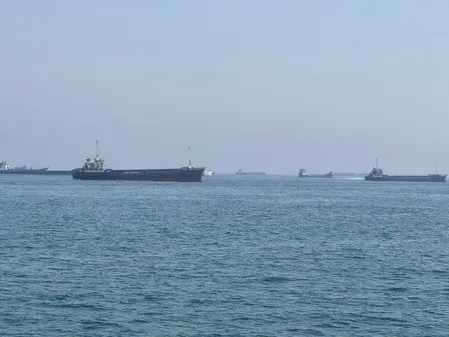
An estimated 20% of global oil and gas passes through the Strait; the IMO says approximately 1,500 ships are trapped in the Persian Gulf.
US President Donald Trump threatened to strike Oman if it facilitated Iran's fee-collection scheme.
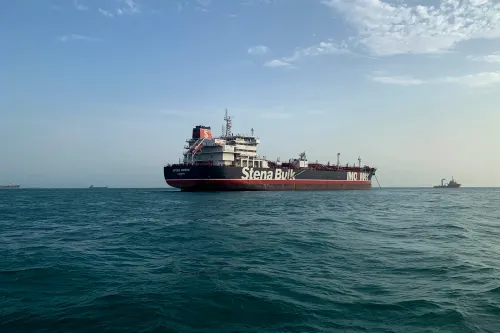
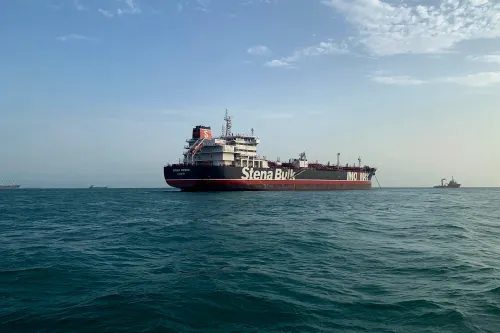
An oil tanker bound for India has cleared the Strait of Hormuz, according to multiple maritime traffic tracking sites, as the strategic waterway remains at the centre of a deepening global energy crisis. The vessel, Nissos Keros, is carrying petroleum cargo and is expected to arrive at Visakhapatnam on 3 June.
The Voyage
The Nissos Keros, flying under the Marshall Islands flag, departed Sharjah on 21 May and was tracked at 6 am IST on Friday in the Northern Arabian Sea, off India's west coast. The Hyundai-built vessel is 333 metres long, with a capacity of 318,744 tonnes (or 338,648 cubic metres). According to ship registry data, the vessel is owned by Arethusa Shipping Corporation and operated by Kyklades Maritime Corporation.
Iran's IRGC Controlling Transits
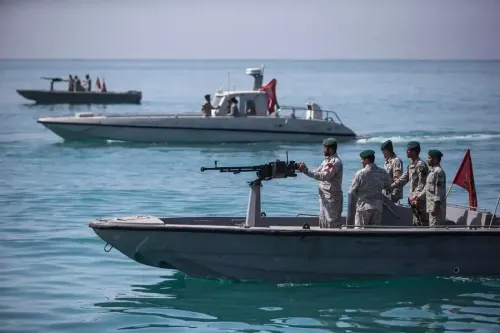
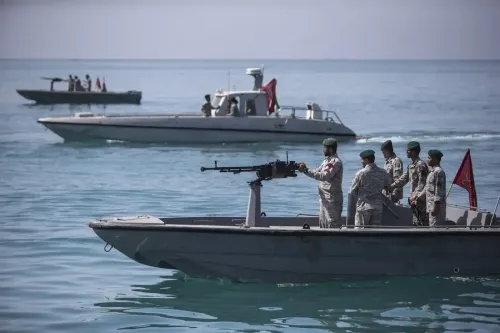
Iran's state media reported on Thursday that the Islamic Revolutionary Guards Corps (IRGC) Navy permitted 23 commercial vessels — including oil tankers and container ships — to pass through the Strait in the preceding 24-hour period. According to the Iranian military, 'all transits were conducted following formal coordination with IRGC naval authorities.' It remains unclear whether the vessels were required to pay a fee for passage.
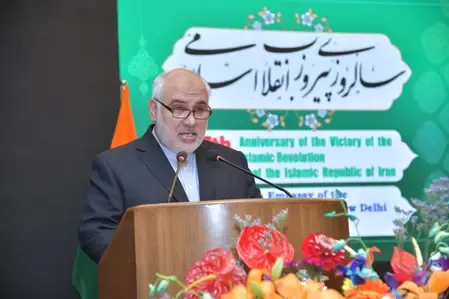
Earlier this month, Iran announced the formation of the Persian Gulf Strait Authority (PGSA), a new agency tasked with regulating maritime traffic through the Strait. The United Nations has declared it illegal to levy fees for passage through international waters, putting Tehran's moves in direct conflict with established maritime law.
US Pressure and Trump's Warning
The United States has demanded that Iran restore free navigation through the Strait, which Tehran has reportedly mined and where it has attacked ships since the US joined Israel in bombing Iran in February. US President Donald Trump on Wednesday stated, 'The Strait is going to be open to everybody.' In a separate and unexpected development, Trump also threatened to strike Oman — situated across the Strait from Iran — if it entered into any arrangement with Tehran to collect transit fees.
Scale of the Crisis
Iran's actions have effectively placed a chokehold on an estimated 20 per cent of the world's oil and gas supply that transits the Strait, triggering a global energy and economic crisis. International Maritime Organisation (IMO) Secretary-General Arsenio Dominguez has said that approximately 1,500 ships are currently trapped in the Persian Gulf. Free navigation through the Strait remains one of the central sticking points in ongoing efforts to negotiate an end to the Iran conflict.
The safe passage of the Nissos Keros offers a measure of relief for India's energy supply chain, but the broader situation in the Strait remains volatile and unresolved.
Point of View
It is. Iran's IRGC has effectively privatised one of the world's most critical maritime chokepoints, and the international community's response has been fragmented at best. The UN's declaration that transit fees are illegal carries no enforcement mechanism, and Washington's approach — threatening Oman while simultaneously demanding free navigation — is strategically incoherent. For India, which depends heavily on Gulf oil, the vulnerability is acute: energy security cannot rest on whether Tehran clears individual vessels on a given morning. The 1,500 ships reportedly trapped in the Persian Gulf represent not just a shipping crisis but a stress test for the entire post-war global trade order.
NationPress
19 Sept 2026
Frequently Asked Questions
What is the Nissos Keros and where is it headed?
The Nissos Keros is a Marshall Islands-flagged oil tanker carrying petroleum cargo bound for Visakhapatnam, India. It departed Sharjah on 21 May and is expected to arrive at its destination on 3 June, according to maritime tracking sites.
Why is the Strait of Hormuz a global concern right now?
Iran has been controlling and reportedly restricting passage through the Strait of Hormuz since the US and Israel bombed Iran in February, placing a chokehold on roughly 20% of the world's oil and gas supply. The IMO has said approximately 1,500 ships are currently trapped in the Persian Gulf as a result.
What is Iran's Persian Gulf Strait Authority?
The Persian Gulf Strait Authority (PGSA) is a newly announced Iranian agency tasked with regulating maritime traffic through the Strait of Hormuz. Iran has indicated it intends to charge fees for transit, a move the United Nations has declared illegal under international maritime law.
What did President Trump say about the Strait of Hormuz?
US President Donald Trump stated on Wednesday that 'The Strait is going to be open to everybody,' reaffirming Washington's demand for free navigation. He also separately threatened to strike Oman if it entered into any arrangement with Iran to collect transit fees from passing vessels.
How does the Strait of Hormuz crisis affect India?
India is a major importer of Gulf oil, making the Strait of Hormuz a critical artery for its energy supply. Disruptions to free passage directly threaten India's petroleum imports, raise fuel costs, and expose the country's energy security to geopolitical risks beyond its immediate control.