India denies deep-sea Gulf energy pipeline reports, cites no active MEIDP talks
Synopsis
India’s Petroleum Ministry has flatly denied that any deep-sea Gulf energy pipeline — the so-called MEIDP — is under consideration, even as an LNG carrier safely cleared the Strait of Hormuz and the DGS restricted Indian seafarer deployments to Middle East conflict zones following the deaths of three crew members aboard MT Settebello.
Key Takeaways
The Ministry of Petroleum and Natural Gas on 16 June denied all reports of a deep-sea pipeline linking Gujarat to Oman and Gulf nations.
The ministry stated there are no active discussions or negotiations with Oman or any Gulf country on the MEIDP project.
Malta-flagged LNG carrier DISHA safely transited the Strait of Hormuz with 62,370 metric tonnes of LNG, expected at Dahej on 18 June .
The Directorate General of Shipping (DGS) has restricted deployment of Indian seafarers in Middle East conflict zones until further orders.
Three Indian seafarers were killed aboard MT Settebello following a US military strike off the Oman coast .
The Ministry of Petroleum and Natural Gas on Tuesday, 16 June categorically denied media reports claiming that India is actively pursuing a deep-sea energy pipeline linking Gujarat to Oman and other Gulf countries, stating that no such proposal is under consideration at any level within the ministry. The clarification directly addresses speculation around the so-called Middle East-India Deepwater Pipeline (MEIDP).
What the Government Said
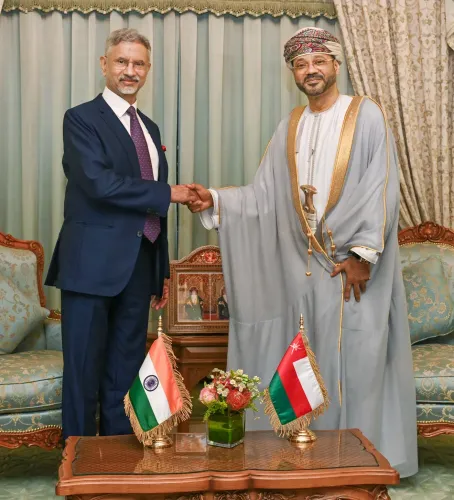
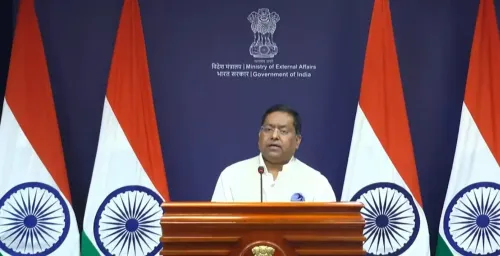
In an official statement, the Petroleum Ministry said it had noticed a series of media reports suggesting that the Government of India is actively pursuing the MEIDP project. “The Ministry of Petroleum and Natural Gas wishes to categorically clarify that no such proposal is currently under consideration by this Ministry. There are no active discussions or negotiations with Oman or any other Gulf countries on this project at any level in this Ministry,” the statement read.
The ministry added: “This clarification is issued to put all speculation in this regard to rest.”
LNG Shipment Safely Transits Strait of Hormuz
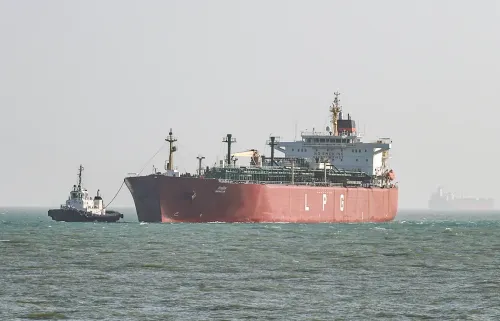
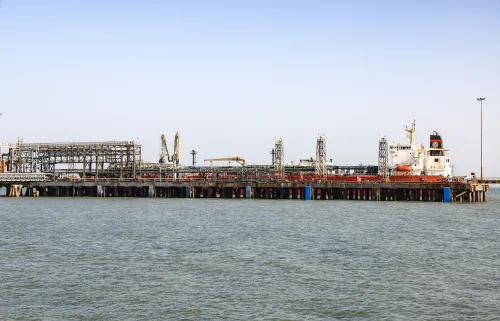
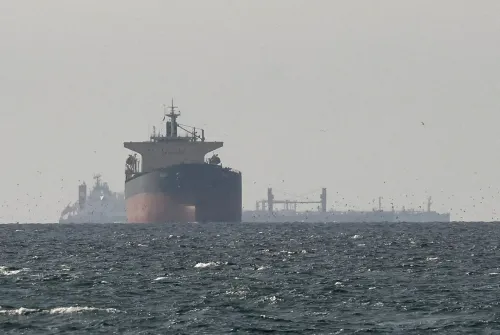
Separately, the Malta-flagged LNG carrier DISHA, managed by a Shipping Corporation of India-led consortium, safely transited the Strait of Hormuz on Monday carrying 62,370 metric tonnes of liquefied natural gas bound for Dahej, Gujarat. The vessel is expected to arrive in India on 18 June.
The government noted it remains in continuous coordination with the Ministry of External Affairs, Indian missions abroad, shipping companies, and other relevant stakeholders to ensure the safety of Indian seafarers. Port operations across India remain normal, with no congestion reported.
Seafarer Safety Advisory Amid Middle East Tensions
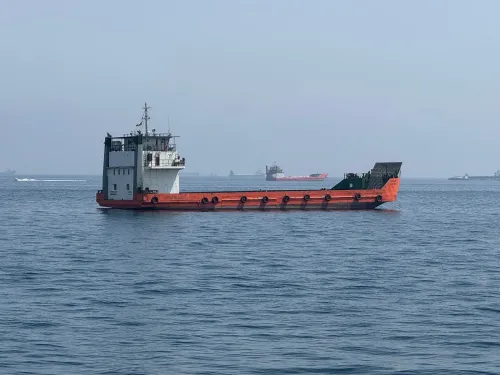
The Directorate General of Shipping (DGS) has advised shipping companies and maritime recruitment and placement agencies to restrict deployment of Indian seafarers in Middle East conflict zones until further orders. The advisory follows the deaths of three Indian seafarers aboard MT Settebello, who were killed after a US military strike on the commercial vessel off the Oman coast.
In a separate circular, the DGS directed masters of vessels operating in or transiting the Gulf region — including the Strait of Hormuz and adjoining waters — to maintain heightened security awareness, monitor navigational warnings and advisories from security agencies, and implement all applicable ship security measures and company security procedures.
Context and Wider Significance
The denial comes amid elevated geopolitical tensions in the Middle East, which have intensified scrutiny of India’s energy supply chains and prompted speculation about long-term infrastructure alternatives to seaborne routes. The MEIDP concept — a subsea pipeline that would theoretically reduce India’s dependence on LNG tanker routes through the volatile Strait of Hormuz — has periodically surfaced in policy discussions over the years but has never advanced to a formal proposal stage, according to available records.
With three Indian seafarers already killed in the region and an active DGS advisory restricting new deployments, the government faces mounting pressure to articulate a coherent maritime security posture for the Gulf even as it distances itself from the pipeline reports.
Point of View
The government is simultaneously managing an energy security optics problem and a real maritime safety crisis. The MEIDP idea has floated in policy circles for years precisely because it would reduce India’s exposure to Hormuz chokepoint risk — the same risk now killing Indian crew. Denying the pipeline while issuing seafarer safety advisories in the same news cycle underscores the contradiction at the heart of India’s Gulf energy dependence.
NationPress
15 Sept 2026
Frequently Asked Questions
What is the Middle East-India Deepwater Pipeline (MEIDP)?
The MEIDP is a proposed deep-sea energy pipeline concept that would connect India’s Gujarat coast to Oman and other Gulf countries, theoretically reducing dependence on LNG tanker routes through the Strait of Hormuz. The Indian government has clarified on 16 June that no such proposal is currently under consideration by the Ministry of Petroleum and Natural Gas.
Why did India’s Petroleum Ministry issue a clarification on the Gulf pipeline?
The ministry issued the clarification after a series of media reports suggested India was actively pursuing the MEIDP project. It categorically stated there are no active discussions or negotiations with Oman or any Gulf country on this project at any level within the ministry.
What happened to the LNG carrier DISHA near the Strait of Hormuz?
The Malta-flagged LNG carrier DISHA, managed by a Shipping Corporation of India-led consortium, safely transited the Strait of Hormuz on Monday carrying 62,370 metric tonnes of LNG destined for Dahej, Gujarat. The vessel is expected to reach India on 18 June.
Why has the DGS restricted Indian seafarers from Middle East deployments?
The Directorate General of Shipping issued the advisory following the deaths of three Indian seafarers aboard MT Settebello, who were killed after a US military strike on the commercial vessel off the Oman coast. The restriction on new deployments to Middle East conflict zones remains in place until further orders.
Are Indian ports functioning normally amid Middle East tensions?
Yes, port operations across India remain normal with no congestion reported, according to the government. Authorities say they are in continuous coordination with the Ministry of External Affairs, Indian missions abroad, and shipping companies to monitor the situation.