India-New Zealand FTA to take effect within a month: NZ Trade Minister
Synopsis
New Zealand’s Parliament has cleared the India-New Zealand FTA with 93 votes in favour, and Trade Minister Todd McClay says the pact could enter into force within a month — on day one, every Indian export tariff to New Zealand falls to zero. With Modi and Luxon committed to doubling bilateral trade by 2030, this is the most consequential trade move between the two countries in decades.
Key Takeaways
New Zealand’s Parliament passed the India-New Zealand FTA with 93 votes in favour and 26 against on 18 September 2026 .
Trade Minister Todd McClay said the agreement is expected to come into force within one month , after both sides exchange diplomatic notes.
On day one , every single tariff on Indian exports to New Zealand will drop to zero .
Key beneficiaries include New Zealand’s horticulture and meat exports and India’s manufactured goods, pharmaceuticals , and IT services .
PM Modi and PM Christopher Luxon have committed to doubling bilateral trade by 2030 .
McClay plans to visit India before the end of 2026 , after New Zealand’s upcoming general election.
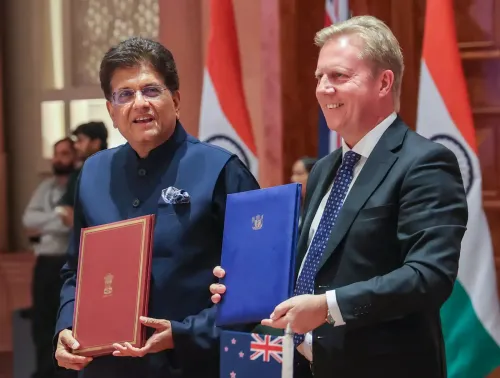
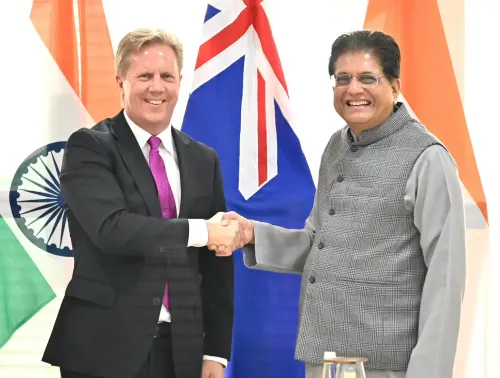
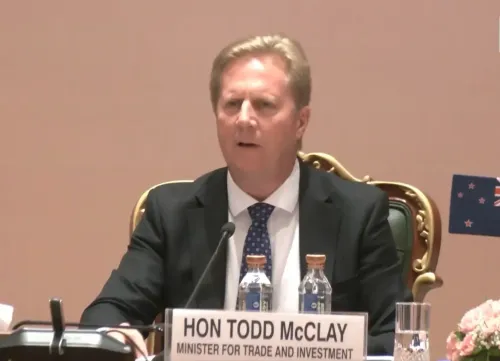
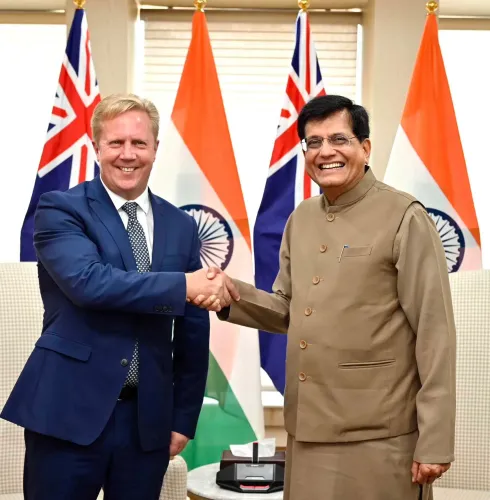
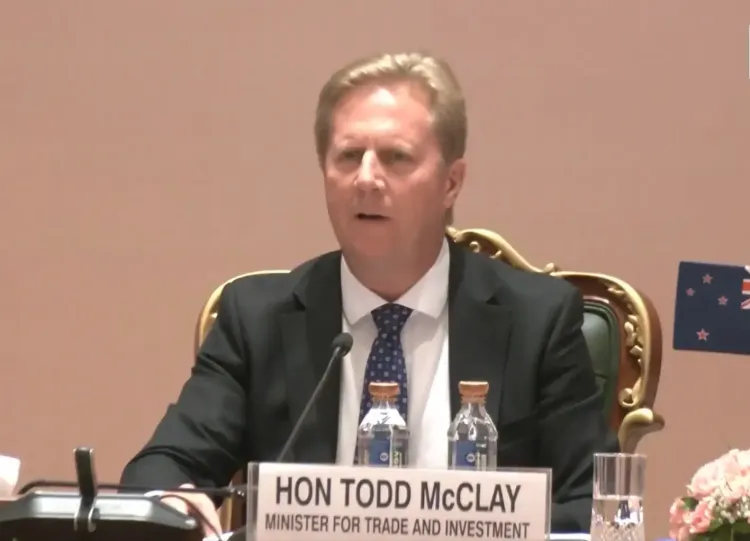
The India-New Zealand Free Trade Agreement (FTA) is expected to come into force within the next month, New Zealand Minister for Trade and Investment Todd McClay said on Friday, 18 September 2026, following the pact's passage through New Zealand's Parliament. The agreement cleared the legislature with strong bipartisan backing, signalling a landmark shift in bilateral economic ties between the two nations.
Parliamentary Passage and Next Steps
The FTA secured decisive support in New Zealand's Parliament, with 93 lawmakers voting in favour and 26 against. McClay outlined the procedural path ahead: “The next stage is that we will sign it into law and exchange diplomatic notes with India when they are able to do the same. Then the clock starts ticking for the agreement to enter into force.”
He added: “I think we can expect that within the next month.” The exchange of diplomatic notes with India marks the final administrative hurdle before implementation begins.
Trade Targets and Economic Opportunities
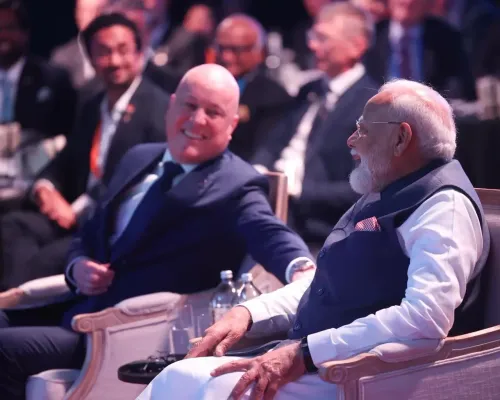
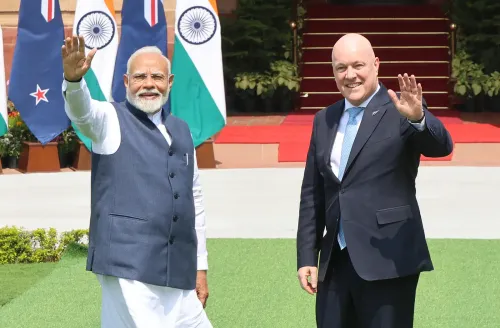
McClay described the agreement as one of the most comprehensive trade deals negotiated by either country. New Zealand Prime Minister Christopher Luxon and Prime Minister Narendra Modi have both committed to doubling bilateral trade by 2030, a goal McClay said was now “more than possible.”
On day one of the agreement’s implementation, every tariff on Indian exports to New Zealand drops to zero — a provision McClay called an outright win for Indian exporters. Indian businesses are already mobilising, with commercial delegations from both countries visiting each other to establish partnerships ahead of enforcement.
Key Sectors Set to Benefit
The agreement covers a broad range of sectors. For New Zealand, high-value food exports — particularly horticulture, meat, and related products — stand to gain from India’s expanding consumer market. For India, the FTA opens greater access for manufactured goods, pharmaceuticals, and machinery into New Zealand.
Services are also a focal point, with tourism and IT services identified as areas capable of generating high-paying employment in both countries. McClay further pointed to agriculture technology and renewable energy as domains where deeper bilateral cooperation could yield long-term dividends for Indian farmers and energy planners alike.
Certainty Amid Global Trade Uncertainty
McClay emphasised that the FTA carries particular significance given ongoing volatility in global tariff regimes. “It gives our businesses and our exporters certainty,” he said, adding that the agreement would provide greater predictability for Indian companies investing in New Zealand and for New Zealand firms seeking footholds in the Indian market.
This comes amid a broader environment of trade fragmentation, with several economies reassessing their tariff positions. The India-New Zealand deal is being positioned as a rules-based anchor for both countries’ commercial relationships. Notably, the two governments have also signed cooperation agreements in security and other areas, suggesting the FTA is part of a wider strategic deepening.
What Comes Next
McClay indicated he plans to visit India before the end of the year, following New Zealand’s upcoming general election, which he identified as his immediate domestic priority. “The trade agreement is only a start of the effort, focus and investment that the New Zealand Government wants to make in our relationship with India,” he said. Once both sides exchange diplomatic notes, the formal countdown to the FTA entering into force will begin.
Point of View
And New Zealand, despite its small economy, offers a foothold in the Pacific that complements India’s Indo-Pacific ambitions. The immediate zero-tariff commitment on all Indian exports to New Zealand is an unusually front-loaded concession and will be watched closely by other FTA partners as a benchmark. The real test, however, is whether the Modi-Luxon 2030 trade-doubling target will be underpinned by sector-specific facilitation measures — or remain an aspirational headline that past bilateral trade targets have often become.
NationPress
18 Sept 2026
Frequently Asked Questions
When will the India-New Zealand FTA come into force?
The India-New Zealand FTA is expected to come into force within one month of 18 September 2026. Both countries must first exchange diplomatic notes, after which a formal countdown to implementation begins.
How did New Zealand’s Parliament vote on the FTA?
New Zealand’s Parliament passed the India-New Zealand Free Trade Agreement with 93 lawmakers voting in favour and 26 against. The strong bipartisan majority signals broad political support for deeper trade ties with India.
What are the key benefits of the India-New Zealand FTA for India?
On the first day the agreement enters into force, every tariff on Indian exports to New Zealand drops to zero. Indian manufactured goods, pharmaceuticals, machinery, and IT services are among the primary beneficiaries, along with tourism.
What does New Zealand gain from the FTA with India?
New Zealand stands to benefit from greater access for its high-value food exports — particularly horticulture and meat products — to India’s large and growing consumer market. Cooperation in agriculture technology and renewable energy is also anticipated.
What is the bilateral trade target set by India and New Zealand?
Prime Minister Narendra Modi and New Zealand Prime Minister Christopher Luxon have committed to doubling bilateral trade by 2030. Trade Minister Todd McClay said this target is ‘more than possible’ following the FTA’s passage.