India-Vietnam ties deepen with $25 bn trade goal, defence pacts after To Lam visit
Synopsis
Vietnamese President To Lam's early visit to New Delhi signals that India-Vietnam ties are moving well beyond diplomatic pleasantries. A $25 billion trade target by 2030, expanded defence co-development, and a joint cybersecurity agenda suggest both nations are quietly building one of Asia's more substantive strategic partnerships — with Indo-Pacific stability as the shared backdrop.
Key Takeaways
India and Vietnam have set a new bilateral trade target of USD 25 billion by 2030 .
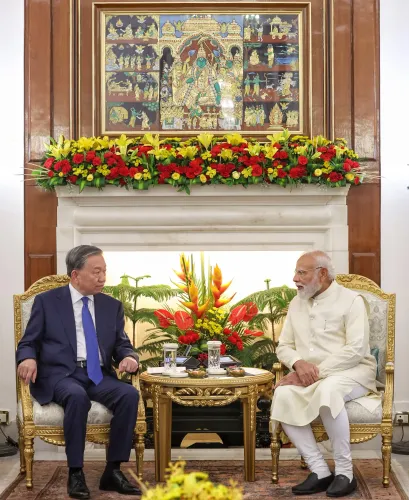
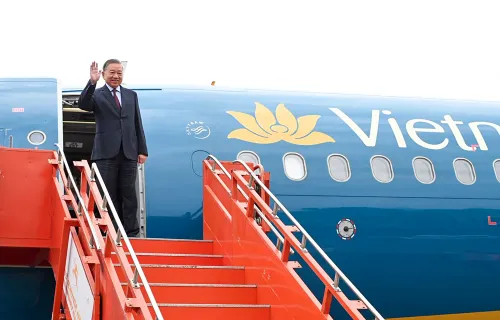
Vietnamese President To Lam visited New Delhi in May 2025 , one of his first foreign engagements after assuming office.
Defence cooperation expanded to include joint R&D , naval port calls , hydrography , and defence industrial cooperation .
Vietnam committed to diversifying import sources and increasing purchases from India for domestic production and exports.
Security cooperation now covers cybersecurity , counter-terrorism , transnational crime, and UN Peacekeeping capacity building.
Both nations agreed to link startup ecosystems and promote cooperation among innovation centres.
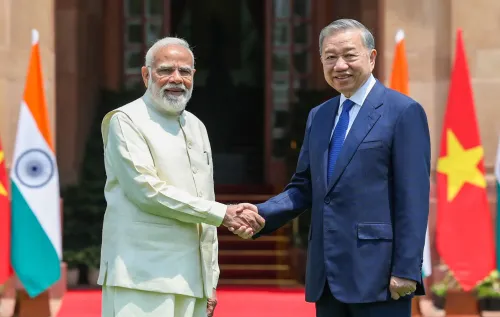
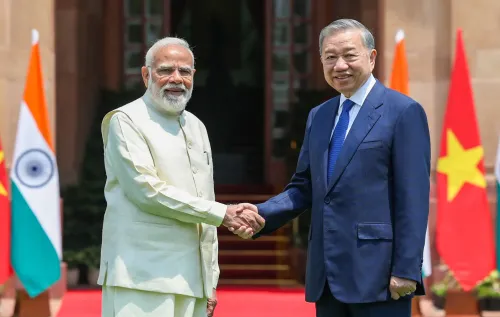
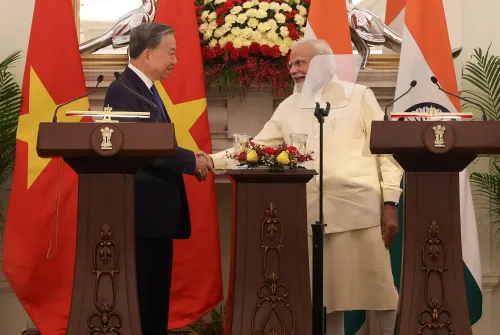
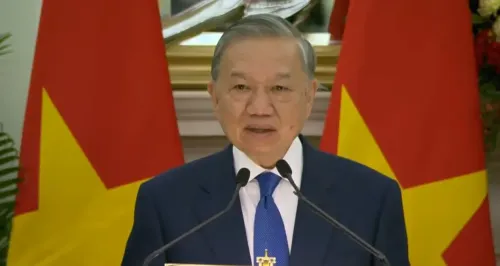
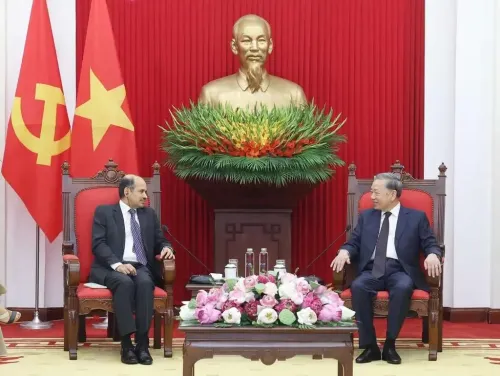
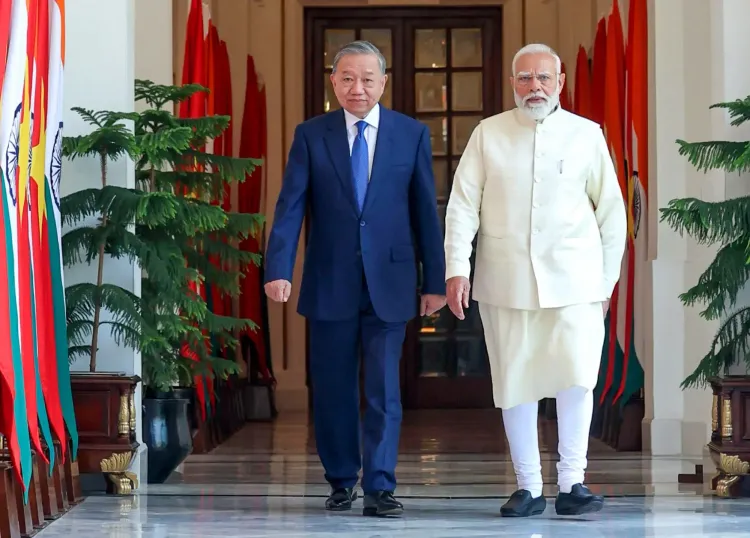
India and Vietnam are advancing their Comprehensive Strategic Partnership across defence, trade, and security, with the two nations setting a new bilateral trade target of USD 25 billion by 2030, according to a report by The Secretariat. The momentum was underscored by Vietnamese President To Lam's State Visit to New Delhi in May 2025 — one of his first foreign engagements after assuming the presidency.
Trade and Economic Agenda
The two nations have agreed to facilitate market access across sectors, with particular emphasis on agricultural products. Vietnam has committed to diversifying its import sources and sourcing more goods from India to serve its domestic production and export requirements. Both sides have also pledged to create a more conducive regulatory environment, including improvements in standards compliance certification and ease of doing business for firms from both countries.
Greater two-way investment is being actively encouraged in manufacturing, logistics, renewable energy, smart agriculture, high-technology, electric vehicles, information technology, healthcare, aquaculture, and tourism and hospitality. The two nations have also decided to strengthen linkages between their respective startup ecosystems and foster cooperation among innovation centres.
Defence Cooperation Expands
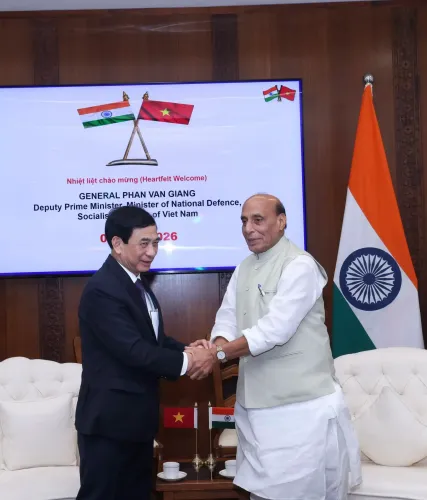
On the defence front, India and Vietnam have agreed to deepen cooperation across both traditional and emerging domains. Areas of focus include staff talks, joint exercises, defence policy dialogue, joint research and co-development of new defence technologies, increased port calls by naval vessels and Air Force aircraft, peacekeeping activities, hydrography, and defence industrial cooperation. Both governments view this expanded cooperation as a contributor to broader stability across the Indo-Pacific region.
Security and Cybersecurity Priorities
Security cooperation has been elevated to address shared concerns in information sharing, cybersecurity, counter-terrorism, and tackling high-tech crime, transnational crime, money laundering, and online scams. The two nations have agreed to promote training and capacity building for law enforcement officers, including professional training, foreign language training, cybersecurity incident response skills, and support for United Nations Peacekeeping operations.
Significance of To Lam's Visit
The fact that To Lam chose India as a destination within his first month as Vietnam's President is being read as a deliberate signal of the partnership's strategic weight. This comes amid a broader regional recalibration, as both nations navigate a complex Indo-Pacific environment shaped by China's assertiveness and shifting global supply chains. Notably, Vietnam's interest in diversifying supply sources aligns closely with India's own push to position itself as a credible manufacturing and export alternative. How quickly the two sides translate these agreements into verifiable trade and investment flows will determine whether this partnership moves beyond strategic signalling.
Point of View
Yet it rarely gets the attention it deserves. The $25 billion trade target is ambitious — current bilateral trade hovers well below that — and the real question is whether the regulatory and market-access commitments made during To Lam's visit will be followed through with binding mechanisms. On defence, the co-development language is notable: India has struggled to translate defence partnerships into actual joint production, and Vietnam represents a genuine test case for that ambition. The Indo-Pacific framing is deliberate and pointed — both nations share concerns about Chinese assertiveness in the South China Sea and the Himalayas respectively, even if neither will say so explicitly.
NationPress
25 Sept 2026
Frequently Asked Questions
What is the new India-Vietnam trade target announced in 2025?
India and Vietnam have agreed on a new bilateral trade target of USD 25 billion by 2030, as announced during Vietnamese President To Lam's State Visit to New Delhi in May 2025. The two sides also committed to facilitating market access, including for agricultural products, and improving the ease of doing business.
Why did Vietnamese President To Lam visit India in May 2025?
To Lam visited New Delhi in May 2025 as part of a State Visit, one of his first foreign engagements after being elected Vietnam's President. The visit was aimed at strengthening the Comprehensive Strategic Partnership between the two nations across trade, defence, and security.
What areas of defence cooperation have India and Vietnam agreed to expand?
The two nations agreed to deepen cooperation in staff talks, joint exercises, defence policy dialogue, joint research and co-development of defence technologies, naval port calls, hydrography, maritime security, and defence industrial cooperation. Both governments see this as contributing to stability in the broader Indo-Pacific region.
What does Vietnam's supply chain commitment mean for India?
Vietnam has expressed commitment to diversify its import sources and buy more products from India to serve its domestic production and export needs. This aligns with India's push to become a global manufacturing and supply chain alternative, particularly in sectors like electronics and pharmaceuticals.
What security issues are India and Vietnam cooperating on?
The two nations are cooperating on cybersecurity, counter-terrorism, information sharing, tackling transnational crime, money laundering, online scams, and high-tech crime. They have also agreed to support training and capacity building for law enforcement officers and UN Peacekeeping operations.