Indian Oil to buy own ships to secure crude, LPG supply chain
Synopsis
Indian Oil is moving to own its shipping fleet for the first time — a direct response to spot crude freight rates jumping from $2.50 to $8–$10 per barrel amid the West Asia conflict. With Russian crude now at 55% of purchases and the Indian crude basket averaging $120/barrel in October, this is India's largest state refiner rewriting its energy security playbook in real time.
Key Takeaways
Indian Oil Corporation has issued tenders to purchase its own crude and LPG vessels, as disclosed during its 31 October earnings call.
Spot crude shipping rates have surged to $8–$10 per barrel , versus $2–$2.50 under Indian Oil's long-term charters.
Spot LPG freight charges have spiked to $160–$180 per tonne from a pre-conflict level of around $40 per tonne .
The Indian crude basket averaged $120 per barrel in October , up from $65–$70 before the Iran war began in February .
Russian crude now accounts for approximately 55% of Indian Oil's purchases in H1 FY27 ; West Asian supplies have fallen to around 24% .
Indian Oil is also exploring orders with Indian shipyards under the Make in India policy to build vessels domestically.
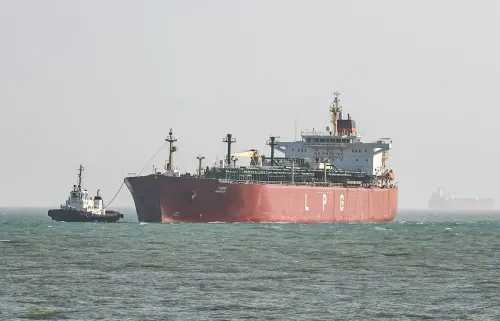
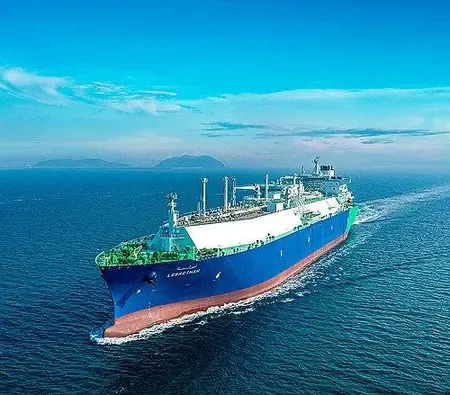
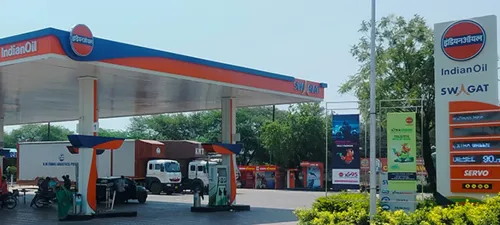
Indian Oil Corporation (IOC), India's largest oil marketing company, is moving to purchase its own fleet of vessels for importing crude oil and liquefied petroleum gas (LPG), as geopolitical disruptions — particularly the West Asia conflict — drive spot shipping rates to historic highs. The company has already issued tenders for vessel purchases, according to Anuj Jain, Indian Oil's Director, Finance, who disclosed the plan during the company's earnings call on 31 October.
Three-Pronged Shipping Strategy
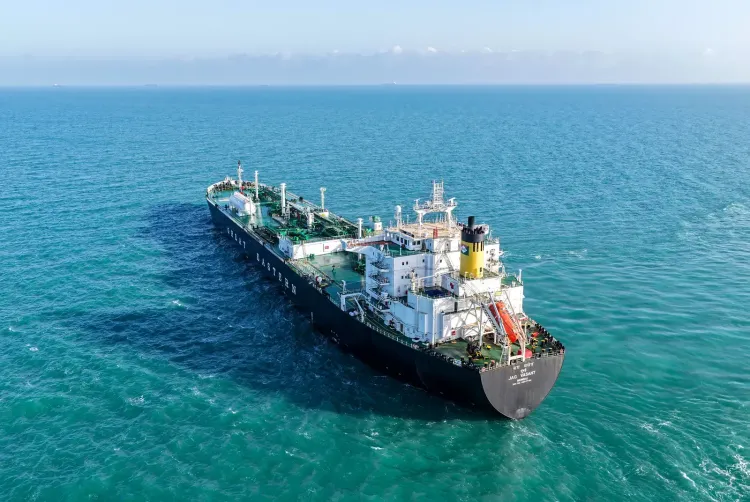
Jain outlined three parallel tracks Indian Oil is pursuing to strengthen its shipping operations: managing its existing chartered fleet, outright purchase of vessels, and exploring options to build ships domestically. On the last point, Indian Oil is in discussions to place orders with Indian shipyards under the government's Make in India policy, potentially creating a strategic link between energy security and domestic shipbuilding capacity.
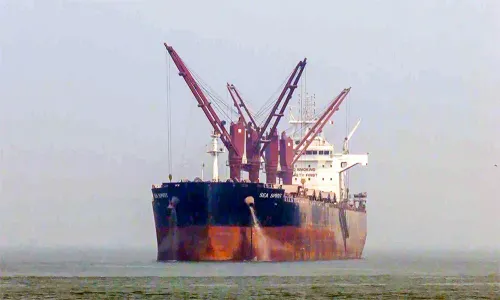
The company currently operates three crude oil tankers and nine LPG carriers on time charter. These arrangements have provided a meaningful buffer against spiking spot rates. Indian Oil pays approximately $2–$2.50 per barrel to transport crude under long-term charters, while spot market rates have surged to $8–$10 per barrel. For LPG, spot freight charges have soared to $160–$180 per tonne from a pre-conflict norm of around $40 per tonne.
Strait of Hormuz and Red Sea Disruptions
The trigger for this strategic shift is a severe deterioration in maritime security. Around 20 per cent of the world's energy exports transit the Strait of Hormuz during normal conditions, and attacks on merchant shipping in the region have intensified. With Houthi rebels gaining control of coastal areas in Yemen around the Red Sea, senior officials describe the shipping environment as having worsened further. The Indian basket of crude imports, which averaged around $65–$70 per barrel before the Iran war broke out in February, crossed the $100 mark in March and averaged approximately $120 per barrel in October, according to Jain.
Diversification Away from West Asia
In response to the closure of the Strait of Hormuz, Indian Oil has sharply diversified its crude import sources. During the first half of FY27, around 87 per cent of its crude purchases were made on the spot market, compared with roughly 50 per cent in the previous financial year. Russian crude now accounts for around 55 per cent of purchases over the six-month period, while West Asian supplies have dropped to approximately 24 per cent. The company has also increased procurement from Venezuela, Brazil, Russia, and African nations. Venezuelan heavy crude is being processed at the company's Paradip refinery on the Odisha coast, which is equipped to handle such grades.
Earlier Acquisition Plans and State Coordination
This is not Indian Oil's first attempt at fleet ownership. The refiner had earlier explored acquiring four medium-range vessels through a consortium arrangement involving the Shipping Corporation of India and other state-run oil companies. The current initiative appears to be a more direct, independent effort — a signal that the urgency of supply chain resilience has overtaken earlier collaborative models.
What This Means for India's Energy Security
Indian Oil's fleet-building push reflects a broader reassessment of India's energy supply vulnerabilities. With the country importing roughly 85 per cent of its crude requirements, dependence on third-party shipping during a period of elevated maritime risk exposes the economy to both price and availability shocks. The dual strategy — buy ships now, build ships in India later — could serve as a template for other state energy companies facing similar exposure. How quickly tenders convert into operational vessels will determine whether Indian Oil can meaningfully reduce its spot-market shipping risk before the geopolitical environment stabilises.
Point of View
Built on assumptions of stable maritime corridors, is no longer reliable. The jump in Russian crude's share to 55% — from roughly half that a year ago — shows how fast the sourcing map has shifted, but it also creates a new dependency risk if India-Russia trade flows are ever disrupted. The real test of this initiative is speed: owning ships takes years to materialise, while the conflict-driven freight premium is a present-day cost. Without interim hedging mechanisms, Indian Oil — and by extension Indian consumers — remain exposed for the foreseeable future.
NationPress
8 Nov 2026
Frequently Asked Questions
Why is Indian Oil Corporation buying its own ships?
Indian Oil is purchasing vessels to reduce its dependence on the spot shipping market, where freight rates have surged sharply due to the West Asia conflict and attacks on ships in the Strait of Hormuz and Red Sea. Owning ships will help the company lock in lower transport costs and ensure supply continuity during geopolitical disruptions.
How much have shipping rates risen for Indian Oil?
Spot crude shipping rates have jumped to $8–$10 per barrel, compared with $2–$2.50 per barrel under Indian Oil's existing long-term charter arrangements. For LPG, spot freight charges have risen to $160–$180 per tonne from a pre-conflict norm of around $40 per tonne.
Where is Indian Oil sourcing crude from amid the West Asia conflict?
Indian Oil has significantly diversified away from West Asia, which now accounts for around 24% of its crude purchases in H1 FY27, down sharply from earlier levels. Russian crude has risen to approximately 55% of purchases, with additional supplies sourced from Venezuela, Brazil, and African countries.
What is the current price of the Indian crude basket?
The Indian basket of crude imports averaged approximately $120 per barrel in October, according to Indian Oil's Finance Director Anuj Jain. This compares with a pre-conflict average of $65–$70 per barrel before the Iran war began in February.
Is Indian Oil also planning to build ships in India?
Yes, alongside purchasing vessels, Indian Oil is exploring options to place orders with Indian shipyards under the government's Make in India policy. The company had earlier also examined a consortium arrangement with the Shipping Corporation of India and other state-run oil companies to acquire four medium-range vessels.