₹2,360 crore garment orders move to India from Bangladesh: CTI

Synopsis
Bangladesh's labour unrest has reportedly sent ₹2,360 crore in garment orders from ZARA, H&M and M&S India's way in just 18 days. Indian factories can deliver almost two months faster, and the industry wants the Centre's help to grow this into a ₹20,000 crore opportunity, even as a 25% US tariff threat looms.
Key Takeaways
Garment orders worth $254 million (about ₹2,360 crore ) were reportedly diverted from Bangladesh between 1 and 18 November 2026 , with India the biggest beneficiary, according to CTI.
ZARA , H&M , M&S and Celio are reportedly moving sourcing to India, Vietnam, Cambodia and Indonesia.
Bangladesh's textile sector has lost more than $400 million in production, and its minimum wages rose about 36% to 17,000 taka .
Indian manufacturers can reportedly deliver in 60–90 days , compared with about 120 days from Bangladesh.
CTI Chairman Brijesh Goyal has written to PM Modi with five demands, including exemptions from the proposed 25% US tariff and training for 1 lakh workers.
Garment orders worth nearly ₹2,360 crore from global fashion brands including ZARA, H&M and Marks & Spencer (M&S) have reportedly moved from Bangladesh to India, according to the Chamber of Trade and Industry (CTI). The Delhi-based traders' body said on 28 November 2026 that labour unrest, higher production costs and factory disruptions in the neighbouring country are pushing buyers to look elsewhere. It has written to Prime Minister Narendra Modi asking for targeted support so the domestic industry can make the most of the shift.
Key Developments
Citing media reports, CTI said garment orders worth $254 million, or about ₹2,360 crore, were diverted from Bangladesh between 1 November and 18 November 2026. The traders' body claimed that India has been the biggest beneficiary of this diversion.
Brands including ZARA, H&M, M&S and Celio are reportedly moving their sourcing to India, Vietnam, Cambodia and Indonesia. According to CTI, India is receiving a significant share of these orders.
CTI, an apex body representing traders and entrepreneurs in Delhi and across the country, called the development a major achievement for the government's Make in India initiative.
Why Buyers Are Leaving Bangladesh
CTI said Bangladesh's textile industry has lost more than $400 million in production because of labour unrest, strikes and factory closures. Delays in production and shipments have reportedly hurt international buyers and led them to explore other sourcing destinations.
The traders' body also pointed to rising labour costs. Bangladesh raised minimum wages from 12,500 taka to 17,000 taka, about $138, which is an increase of roughly 36%.
Delivery speed is another factor, CTI said. Garment shipments from Bangladesh take about 120 days, while Indian manufacturers can reportedly deliver within 60 to 90 days. In fast fashion, where timing matters a great deal, that gap of nearly two months could be a decisive advantage.
What CTI Chairman Brijesh Goyal Said
CTI Chairman Brijesh Goyal said India's textile and clothing industry could become a preferred sourcing destination for international brands. He framed the opportunity against the backdrop of a proposed US tariff.
“On one hand, the US is threatening to impose a 25 per cent tariff, while on the other, the world's biggest brands are approaching India on their own. This is not the time to be afraid but to seize the opportunity,” Goyal said.
He added: “We will not be intimidated by America's 25 per cent tariff. Bangladesh's difficulties have become an opportunity for India today. The government and traders together can turn this Rs 2,360 crore opportunity into Rs 20,000 crore. There should be no delay now.”
Impact on Jobs and Manufacturing Hubs
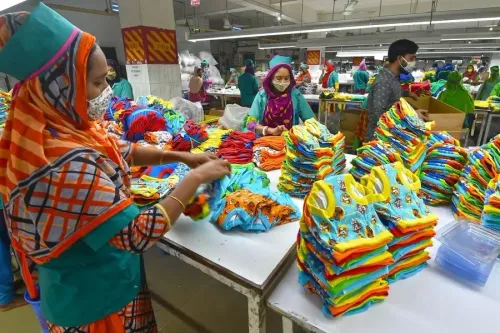
CTI expects garment centres such as Tirupur, Surat, Ludhiana, Delhi-NCR, Noida, Gurugram and Bengaluru to benefit directly. The extra orders could create new jobs, particularly in small and medium-sized units.
According to CTI, the textile and apparel sector directly employs more than 40 million people (over 4 crore), and more than 50% of them are women. It is India's second-largest employer after agriculture. Around 90 million more people are indirectly linked to the sector through cotton farming, transport, packaging, trading, retail and machinery manufacturing. The sector also includes more than 3.6 million MSMEs, along with powerloom and handloom units, boutiques and wholesale and retail businesses.
Goyal said the order diversion was more than a commercial opportunity. In his view, it could also support the livelihoods of millions of families who depend on the textile industry.
CTI's Five Demands to the Centre
In its letter to PM Modi, CTI thanked the government for the Make in India initiative and set out five demands:
1. An immediate relief package for textile exporters, including cheaper electricity, GST refunds within seven days and interest-related relief.
2. Uninterrupted 24-hour electricity and water supply to textile parks and garment clusters, so that deliveries are not delayed.
3. Protection for the textile sector in trade negotiations with the US, including special exemptions from the proposed 25% tariff.
4. A single-window clearance system for brands such as ZARA and H&M, to speed up land allocation and approvals for setting up factories in India.
5. Skill-development programmes to train 1 lakh new workers in sewing, cutting and textile design.
Goyal said that with the right policy support, infrastructure and encouragement, India could become the world's largest textile and garment manufacturing and sourcing hub. Whether the Centre responds to CTI's demands, and whether the diverted orders turn into lasting sourcing contracts, will decide how much of this opening India keeps.
Point of View
But it is opportunistic, and it is not yet a structural advantage. Vietnam, Cambodia and Indonesia are competing for the same orders, and India has missed past China+1 openings because of power costs, slow GST refunds and fragmented clusters, which are exactly the problems CTI's demands describe. The ₹2,360 crore figure comes from media reports cited by a traders' body and needs independent confirmation before anyone celebrates. The jump to ₹20,000 crore will depend on whether the Centre can fix these basics before the 25% US tariff threat cancels out India's speed advantage.
NationPress
28 Nov 2026
Frequently Asked Questions
How much in garment orders has shifted from Bangladesh to India?
Orders worth about $254 million, or roughly ₹2,360 crore, were reportedly diverted from Bangladesh between 1 and 18 November 2026, according to media reports cited by CTI. CTI says India has been the biggest beneficiary.
Which brands are moving garment sourcing to India?
ZARA, H&M, Marks & Spencer and Celio are among the global brands reportedly shifting sourcing. Their orders are going to India, Vietnam, Cambodia and Indonesia, with India taking a significant share.
Why are fashion brands leaving Bangladesh?
Labour unrest, strikes and factory closures have caused Bangladesh more than $400 million in production losses, according to CTI. A roughly 36% rise in minimum wages and slower deliveries of about 120 days have also pushed buyers to look for alternatives.
What has CTI asked the government for?
CTI has asked for a relief package for exporters, round-the-clock power and water for textile clusters, and exemptions from the proposed 25% US tariff. It has also sought single-window clearances for global brands and skill training for 1 lakh workers.
Which Indian garment hubs will benefit from the order shift?
CTI expects Tirupur, Surat, Ludhiana, Delhi-NCR, Noida, Gurugram and Bengaluru to benefit directly. Small and medium-sized garment units are likely to see the most new jobs.