India's global credibility: law, diplomacy, and the Indus Waters Treaty
Synopsis
A Gulf News analysis argues that India's diplomatic credibility — built through UN peacekeeping, Vaccine Maitri, and Indian Ocean humanitarian action — is precisely what gives New Delhi the standing to push back when bilateral arrangements like the Indus Waters Treaty are undermined by persistent cross-border threats. Credibility, the piece insists, is not the same as passivity.
Key Takeaways
A Gulf News analysis argues that India's global credibility stems from decades of honouring international law, multilateral norms, and bilateral agreements.
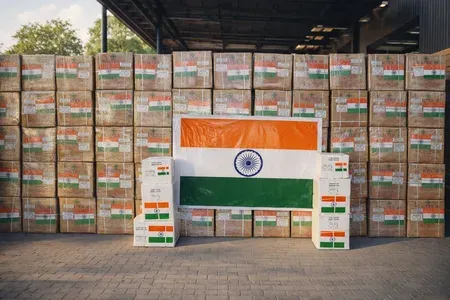
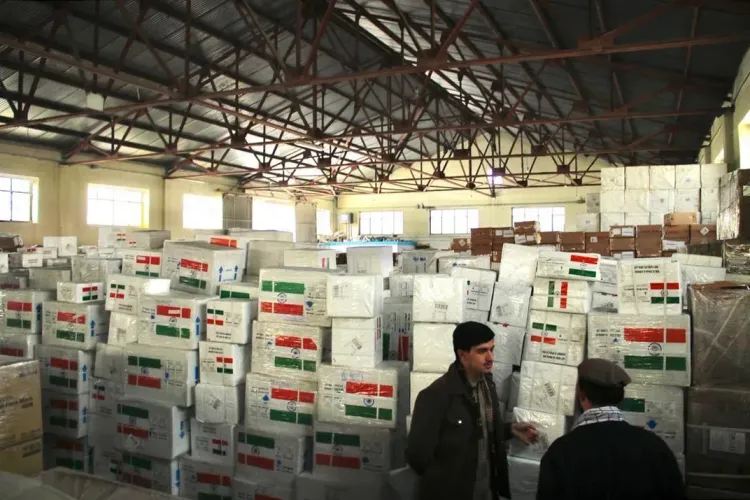
Through Vaccine Maitri , India supplied millions of vaccine doses to countries across Asia , Africa , Latin America , and the Pacific during the Covid-19 pandemic.
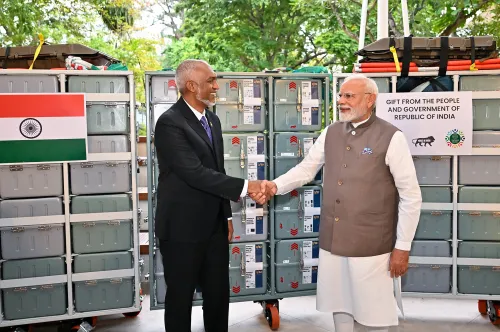
India has extended economic and humanitarian support to Sri Lanka , Maldives , and Mauritius , among others, in the Indian Ocean region.
The article frames discussions around suspending the Indus Waters Treaty as a response to sustained cross-border terrorism, not a departure from India's principled foreign policy.
India's stated position: it seeks peace but demands accountability, supports dialogue but requires genuine commitment to non-violence.
India's growing stature on the world stage rests not merely on its expanding economy or strategic geography, but on a decades-long record of honouring international law, upholding bilateral commitments, and actively contributing to global governance frameworks, according to an analysis published in Gulf News. The piece argues that this credibility is now central to how New Delhi is perceived — and how far it can project influence.
Building Credibility Through Action
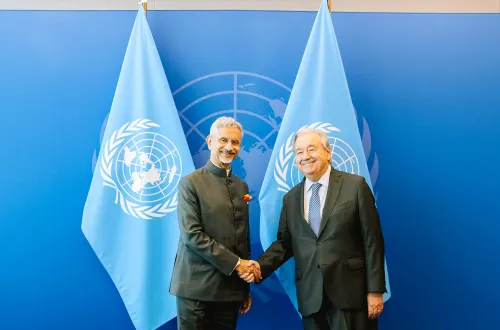
The Gulf News analysis points to a consistent pattern: India has participated in United Nations peacekeeping missions, adhered to multilateral institutional norms, made climate commitments, and extended development partnerships and humanitarian assistance across regions. These are not isolated gestures, the article argues, but a sustained strategic posture.
From extending lines of credit to developing nations to deploying emergency relief after natural disasters, India has repeatedly positioned itself as a first responder in regional crises. This pattern of behaviour, the analysis contends, has built the trust that underpins New Delhi's diplomatic reach today.
Vaccine Maitri and the Indian Ocean Neighbourhood
The Covid-19 pandemic offered one of the starkest demonstrations of this approach. Even as India managed a massive domestic public health burden, it supplied medicines and vaccine doses to dozens of countries across Asia, Africa, Latin America, and the Pacific through the Vaccine Maitri initiative.
In the Indian Ocean region specifically, India has provided economic support to Sri Lanka during its financial crisis, extended humanitarian assistance to Maldives and Mauritius, evacuated its nationals from conflict zones, and contributed to disaster relief following cyclones and earthquakes. The article frames these actions as evidence of India's commitment to regional stability — not charity, but strategic solidarity.
Credibility Is Not Passivity
However, the Gulf News piece is careful to distinguish credibility from unconditional compliance. International agreements, it notes, are built on mutual obligations, and no responsible state can be expected to indefinitely sustain arrangements that are eroded by persistent hostility, violence, or direct threats to national security.
The analysis specifically contextualises ongoing discussions around the Indus Waters Treaty within this framework. India, it observes, upheld the treaty through multiple wars, military confrontations, and prolonged diplomatic crises — a record that few bilateral water-sharing agreements anywhere in the world can match. The article argues that sustained cross-border terrorism and recurring attacks on civilians inevitably strain the foundations on which such cooperation depends.
India's Consistent Position
India's stance, as characterised in the article, rests on three pillars: a genuine desire for peace paired with an insistence on accountability; openness to dialogue contingent on a genuine commitment to non-violence; and respect for agreements that cannot, however, override the obligation to protect citizens from persistent threats.
The piece does not call for treaty abrogation, but frames any suspension of bilateral arrangements as a measured response to a breakdown in the reciprocal obligations that make those arrangements viable. As India's global role deepens, the article suggests, the world will increasingly judge New Delhi not only by what it commits to, but by whether it can defend the conditions that make those commitments sustainable.
Point of View
The argument shifts the burden of proof onto Pakistan to demonstrate reciprocal good faith. What the analysis leaves unresolved is the risk calculus: suspending a treaty that survived three wars sets a precedent that could be used against India in other multilateral contexts. India's credibility has been built on being the rule-follower, not the rule-bender. That reputation is the asset most at risk in this debate.
NationPress
25 Sept 2026
Frequently Asked Questions
What is the Gulf News analysis about India's global credibility?
The Gulf News article argues that India's rise on the world stage is underpinned by a consistent record of respecting international law, honouring bilateral agreements, and contributing to global governance. It contends that this credibility — demonstrated through UN peacekeeping, Vaccine Maitri, and Indian Ocean humanitarian action — is now central to India's diplomatic influence.
What is Vaccine Maitri and why does it matter?
Vaccine Maitri was India's initiative during the Covid-19 pandemic to supply medicines and vaccine doses to dozens of countries across Asia, Africa, Latin America, and the Pacific. The Gulf News piece cites it as a defining example of India acting as a first responder in global crises, reinforcing its credibility as a responsible power.
Why is the Indus Waters Treaty being discussed in this context?
The article argues that India upheld the Indus Waters Treaty through multiple wars and prolonged diplomatic crises — a record few bilateral water-sharing agreements have matched. It frames current discussions around suspending certain provisions as a proportionate response to sustained cross-border terrorism, not an abandonment of India's principled foreign policy.
What is India's stated position on bilateral agreements and security threats?
According to the Gulf News analysis, India's position is that it seeks peace but insists on accountability, supports dialogue but expects genuine commitment to non-violence, and honours agreements but cannot disregard persistent threats to the safety of its citizens.
How has India supported the Indian Ocean region?
India has provided economic support to Sri Lanka during its financial crisis, extended humanitarian assistance to Maldives and Mauritius, evacuated nationals from conflict zones, and contributed to disaster relief after cyclones and earthquakes in the Indian Ocean region.