India's female labour force participation jumps from 23.3% to 40% in 7 years
Synopsis
India's female labour force participation rate has nearly doubled in seven years — from 23.3% to 40% — while female unemployment has almost halved. Labour Minister Mandaviya tied the gains to Modi-era policy reforms, including four new Labour Codes that, for the first time, give gig and platform workers legal identity and social security access.
Key Takeaways
Female Labour Force Participation Rate rose from 23.3% in 2017–18 to 40% in 2025 , according to Labour Minister Mansukh Mandaviya .
Female Worker Population Ratio increased from 22% to nearly 39% over the same period.
Female Unemployment Rate fell from 5.6% to 3.1% , indicating more women are successfully finding jobs.
India's social security coverage expanded nearly three-fold, from 19% in 2015 to over 64.3% in 2025 .
Four new Labour Codes , made effective last November, formally recognise gig and platform workers and enshrine equal pay for equal work.
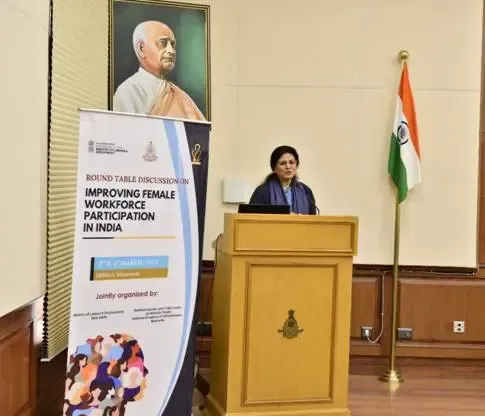
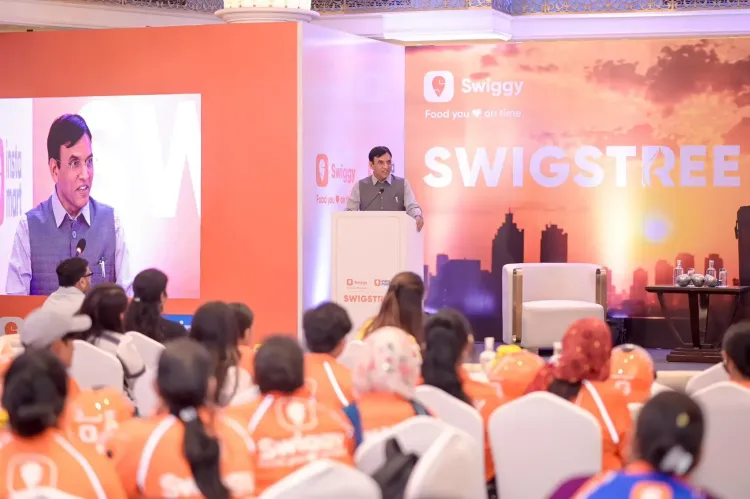
India's female labour force participation rate (LFPR) has surged from 23.3% in 2017–18 to 40% in 2025, Labour Minister Mansukh Mandaviya announced on Tuesday, 28 April in New Delhi, describing the rise as a landmark indicator of women's growing economic empowerment. The minister made the disclosure at SwigStree: Celebrating Women on the Move, an event organised by food delivery platform Swiggy.
Key Employment Indicators
Mandaviya cited a cluster of improving metrics to underscore the shift. The Female Worker Population Ratio (FWPR) has risen from 22% to nearly 39% over the same seven-year period. Meanwhile, the Female Unemployment Rate (FUR) has declined from 5.6% to 3.1%, indicating that women seeking employment are now finding it more successfully than before.
Point of View
But context matters. A jump from 23.3% to 40% in female labour force participation is significant — yet India still trails the global average, and a large share of the gain is concentrated in rural, often informal, self-employment rather than formal wage work. The decline in female unemployment to 3.1% is encouraging, but the quality and security of jobs absorbed remains an open question. The four Labour Codes, hailed as transformative, are yet to be fully operationalised across states — meaning the protections for gig workers and equal-pay provisions exist on paper but enforcement infrastructure is still catching up. The real test of Viksit Bharat's women-empowerment narrative will be whether these participation gains translate into higher earnings, social security coverage, and upward mobility.
NationPress
21 Sept 2026
Frequently Asked Questions
What is India's current female labour force participation rate?
India's female labour force participation rate stands at 40% in 2025, up from 23.3% in 2017–18, according to Labour Minister Mansukh Mandaviya. This represents a rise of nearly 17 percentage points over seven years.
What is the Female Unemployment Rate in India in 2025?
The Female Unemployment Rate has declined to 3.1% in 2025, down from 5.6% in 2017–18, according to data cited by Labour Minister Mandaviya. The drop indicates that more women seeking employment are now successfully finding it.
What do the new Labour Codes mean for women workers in India?
The four Labour Codes, made effective last November, include provisions for work-from-home, maternity leave entitlements, crèche facilities, and equal pay for equal work. For the first time, gig and platform workers — many of whom are women — are formally recognised and entitled to social security.
How has India's social security coverage changed in the past decade?
India's social security coverage has expanded nearly three-fold, rising from 19% in 2015 to over 64.3% in 2025, according to Mandaviya. The minister attributed this to sustained policy action across labour law reform, digital inclusion, and targeted welfare delivery.
What is the Female Worker Population Ratio in India?
The Female Worker Population Ratio has risen from 22% in 2017–18 to nearly 39% in 2025, according to figures cited by Labour Minister Mansukh Mandaviya at the SwigStree event on 28 April 2025.