India's fuel supply held firm during Hormuz crisis, experts cite energy resilience
Synopsis
India was 85 per cent import-dependent on crude oil when the Strait of Hormuz was disrupted — yet petrol pumps stayed open and LPG kept flowing. Former HPCL chief M.K. Surana says sourcing from over 40 countries and coordinated government action made the difference, while nations elsewhere resorted to emergency rationing. It is a rare stress test that India, by most accounts, passed.
Key Takeaways
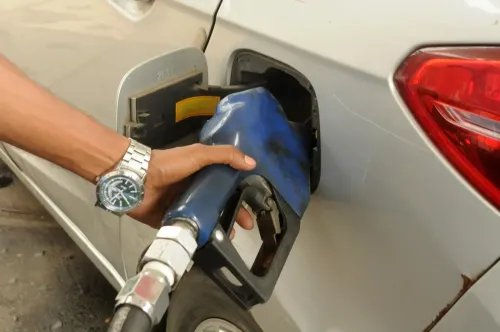
India maintained uninterrupted fuel and LPG supplies throughout the Strait of Hormuz disruption, avoiding emergency rationing measures seen in other countries.
India is 85 per cent import-dependent on crude oil, making the resilience particularly notable, according to former HPCL chief M.K.
Crude sourcing from more than 40 countries was cited as the key structural factor that limited the disruption's impact.
Former EIL chief Vartika Shukla credited proactive government measures, diversified sourcing, and sustained infrastructure investment for the outcome.
The Ministry of Petroleum and Natural Gas and public sector oil marketing companies coordinated the crisis response.
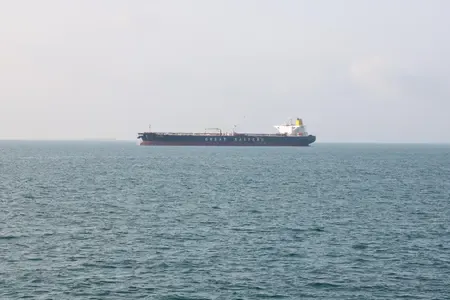
India successfully maintained uninterrupted fuel supplies and shielded consumers from severe price shocks during the prolonged Strait of Hormuz disruption, demonstrating a markedly improved level of energy resilience, industry experts said on Monday, 29 June. The achievement is being attributed to diversified crude sourcing, sustained infrastructure investment, and coordinated action by the Ministry of Petroleum and Natural Gas and public sector oil companies.
What Experts Said
Former Engineers India Limited (EIL) Chairman and Managing Director Vartika Shukla said the Hormuz disruption served as a stress test that India passed. 'The Hormuz disruption highlighted India's enhanced energy resilience, as uninterrupted supplies and minimal retail price impact were ensured through proactive government measures, diversified sourcing, and sustained investments in energy security infrastructure,' she said.
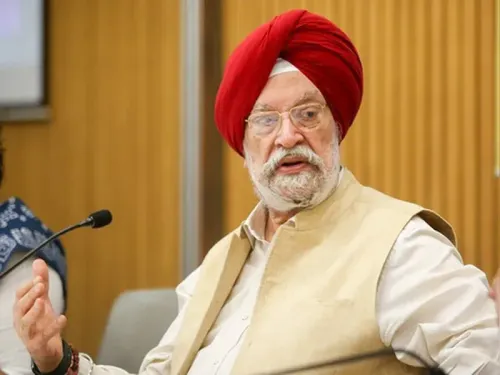
Former Hindustan Petroleum Corporation Limited (HPCL) Chairman and Managing Director M.K. Surana noted that expectations at the outset of the crisis were bleak. 'When the conflict started and the Strait of Hormuz was closed, most commentators expected that India, which is 85 per cent import-dependent when it comes to crude oil, would completely collapse because petrol would not be available,' he said.
Why India Defied the Odds
Surana pointed out that several countries were forced to introduce emergency rationing measures — including odd-even fuel schemes, compulsory work-from-home mandates, and early pump closures — while Indian citizens faced none of these restrictions. He credited this outcome to coordinated efforts across the petroleum ministry, public sector oil marketing companies, and multiple government agencies.
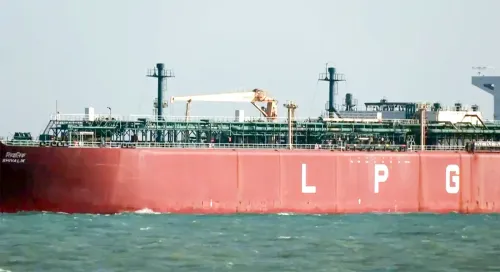
Notably, domestic cooking gas supplies remained uninterrupted throughout the disruption, sustained through a combination of supply-side and demand-side measures that prioritised household consumption. This is significant given that LPG supply chains are heavily reliant on West Asian imports.
Diversified Sourcing as the Core Strategy
According to Surana, India's strategy of sourcing crude oil from more than 40 countries was central to limiting the fallout. This geographic spread reduced dependence on any single shipping corridor and gave oil marketing companies the flexibility to reroute procurement when Hormuz access was constrained.
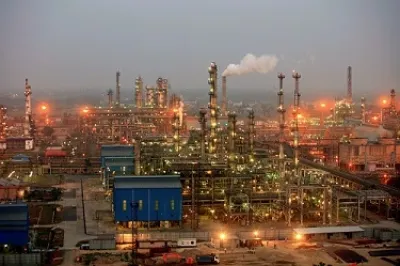
This comes amid a broader, multi-year push by the Centre to reduce vulnerability to supply shocks — a strategy that has included expanding strategic petroleum reserves, investing in pipeline and refinery infrastructure, and accelerating long-term supply agreements with producers in Africa, the Americas, and Russia.
Implications for India's Long-Term Energy Security
The Hormuz episode is likely to reinforce the Centre's case for deepening energy diversification. India's crude import bill remains among the largest in the world, and any sustained disruption to West Asian shipping lanes carries systemic risk. The fact that retail fuel prices and cooking gas availability held steady during this period will be cited as evidence that past investments in energy security infrastructure have begun to yield results.
Going forward, experts are expected to call for further expansion of strategic reserves and faster progress on domestic energy production to reduce the 85 per cent import dependency figure over the medium term.
Point of View
Or whether it will simply be used as a political validation of the status quo. Resilience under one stress scenario is not the same as energy security.
NationPress
29 Jun 2026
Frequently Asked Questions
How did India maintain fuel supplies during the Strait of Hormuz disruption?
India maintained fuel supplies by sourcing crude oil from more than 40 countries, reducing dependence on any single shipping route. The Ministry of Petroleum and Natural Gas coordinated with public sector oil marketing companies to manage both supply-side and demand-side measures throughout the disruption.
Why was the Hormuz disruption considered a major risk for India?
India is 85 per cent dependent on imported crude oil, making it highly exposed to any disruption in major shipping corridors like the Strait of Hormuz. Many analysts had predicted severe fuel shortages and emergency rationing if the strait remained closed.
Did Indian consumers face fuel rationing or price spikes during the Hormuz crisis?
No. According to industry experts, Indian consumers did not face emergency measures such as odd-even fuel rationing, early pump closures, or compulsory work-from-home orders — unlike several other countries affected by the disruption. Retail price impact was described as minimal.
What role did government policy play in India's energy resilience?
Coordinated action by the Ministry of Petroleum and Natural Gas, public sector oil marketing companies, and various government agencies was credited with ensuring uninterrupted supplies. Long-term diversification of crude sources and investments in energy security infrastructure were identified as the structural enablers.
What does the Hormuz crisis mean for India's future energy strategy?
Experts are expected to push for further expansion of strategic petroleum reserves and faster progress on domestic energy production to reduce the 85 per cent import dependency. The crisis is likely to reinforce the Centre's case for deepening energy diversification across geographies and supply corridors.