Iran accuses UAE of military aggression at BRICS meet in New Delhi
Synopsis
At the BRICS security summit in New Delhi, Iran's top security official publicly accused the UAE of participating in attacks on Iranian civilian infrastructure — schools and hospitals — even as a US-Iran ceasefire memorandum has just opened a 60-day nuclear negotiation window. The accusation signals that the post-conflict diplomatic battle is already fierce, with Gulf fault lines on full display before a global audience.
Key Takeaways
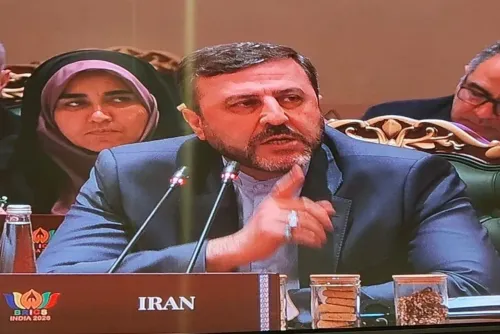
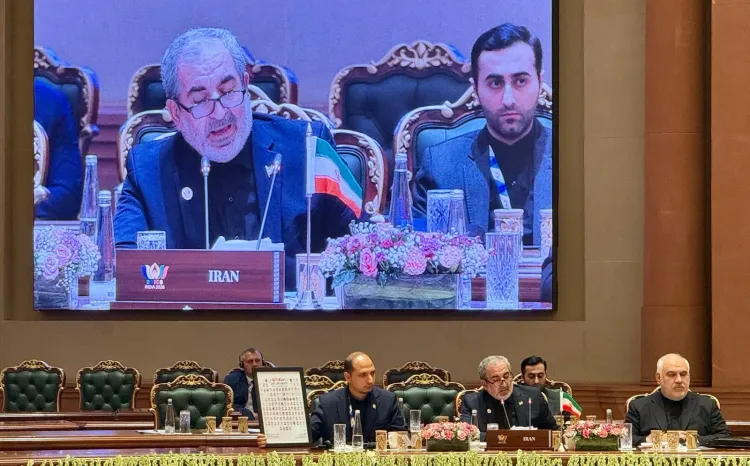
Ghadir Nezamipour , Deputy Secretary of Iran's Supreme National Security Council , accused the UAE of military aggression at the BRICS security meeting in New Delhi on 23 June .
He alleged UAE territory was used to launch attacks on Iran's civilian infrastructure, including schools and hospitals .
Nezamipour displayed images of children from Minab killed in what Iran describes as US-led aggression.
Iranian President Masoud Pezeshkian and US President Donald Trump have signed a memorandum of understanding ending nearly four months of conflict, with a 60-day ceasefire extension for nuclear talks.
India is hosting the 16th BRICS Heads of Security Agencies Meeting in New Delhi, providing the multilateral stage for Iran's accusations.
Iran's Supreme National Security Council Deputy Secretary Ghadir Nezamipour on Tuesday, 23 June directly accused the United Arab Emirates of participating in military aggression against Iran and allowing its territory to be used as a launchpad for attacks on Iranian civilian infrastructure, including schools and hospitals. The accusations were levelled at the 16th Meeting of Heads of Security Agencies and National Security Advisers of the BRICS countries in New Delhi.
What Nezamipour Said
Addressing the BRICS security conclave, Nezamipour rejected allegations previously made by a UAE official against Iran. In his remarks, he stated: 'The entire world witnessed that the United States and the Zionist regime were the initiators of the aggression and the crisis in the Strait of Hormuz. Part of these attacks were launched from bases located on the territory of the United Arab Emirates. Nevertheless, instead of condemning these hostile actions, the UAE directly participated in the aggression and allowed its territory to be used as a platform for attacks against Iran's civilian infrastructure, schools, and hospitals.'
He urged the UAE to 'respect the principles of good neighbourliness and choose the path of peace, stability, and regional cooperation instead of engaging in propaganda and adventurism.'
Human Cost Highlighted
Nezamipour displayed an image of what he described as martyred students from Minab to draw participants' attention to the civilian toll of the conflict. According to a post on X by the Iranian Embassy in India: 'This poster depicts children who were killed on the first day of the aggression against Iran carried out by the United States.'
Backdrop: US-Iran Ceasefire and Nuclear Talks
The remarks follow a significant diplomatic development: Iranian President Masoud Pezeshkian and US President Donald Trump reportedly signed a memorandum of understanding remotely, ending nearly four months of conflict between the two nations. The agreement established a 60-day extension of the ceasefire to allow negotiations on Tehran's nuclear programme and regional security issues to proceed.
This comes amid a broader fragility in West Asia — the Strait of Hormuz crisis having rattled global energy markets and tested the limits of regional alliances. The UAE's role, as alleged by Iran, adds a new layer of complexity to Gulf diplomatic calculations.
India Hosts BRICS Security Conclave
India is hosting the BRICS National Security Advisors' Meeting in New Delhi, bringing together senior security officials from member states to deliberate on evolving global security challenges and deepen strategic cooperation. The gathering provides a rare multilateral platform where competing geopolitical narratives — including those from Iran — receive direct airing before a diverse audience of major powers.
Notably, Iran's public accusation of the UAE at a BRICS forum underscores how the post-ceasefire diplomatic contest is already under way, even as the ink on the memorandum of understanding is barely dry. How BRICS member states respond — or choose not to — will signal the bloc's appetite for mediating West Asia tensions going forward.
Point of View
Tehran is signalling that the ceasefire does not mean silence on Gulf actors it holds complicit. The UAE has not publicly responded to these specific charges, and that silence will itself be read as a diplomatic signal. For India, hosting this exchange is a double-edged moment — it reinforces New Delhi's value as a neutral convener, but also risks drawing it into a West Asia narrative it has carefully avoided taking sides on.
NationPress
23 Jun 2026
Frequently Asked Questions
What did Iran accuse the UAE of at the BRICS meeting?
Iran's Deputy National Security Council Secretary Ghadir Nezamipour accused the UAE of directly participating in military aggression and allowing its territory to be used as a base for attacks on Iranian civilian infrastructure, including schools and hospitals. The accusations were made at the 16th BRICS Heads of Security Agencies Meeting in New Delhi on 23 June.
What is the US-Iran memorandum of understanding?
Iranian President Masoud Pezeshkian and US President Donald Trump reportedly signed a memorandum of understanding remotely, ending nearly four months of conflict between the two countries. It established a 60-day ceasefire extension to allow negotiations on Tehran's nuclear programme and regional security issues.
Where is the BRICS National Security Advisers Meeting being held?
The 16th Meeting of Heads of Security Agencies and National Security Advisers of BRICS countries is being hosted by India in New Delhi. The meeting brings together top security officials from member states to address global security challenges.
Who is Ghadir Nezamipour?
Ghadir Nezamipour is the Deputy Secretary of Iran's Supreme National Security Council. He represented Iran at the BRICS security summit in New Delhi and delivered the address in which the UAE accusations were made.
What was the Minab reference in Nezamipour's address?
Nezamipour displayed an image of students from Minab, a city in Iran, who he said were killed on the first day of what Iran describes as US-led aggression. The Iranian Embassy in India shared the reference on X, describing the poster as depicting children killed in the attacks.