Iran MPs visit Taj Mahal, cite shared civilisational heritage at BRICS Forum
Synopsis
Iranian MPs at the 12th BRICS Parliamentary Forum made a symbolic stop at the Taj Mahal, with Tehran's embassy invoking Persian poetry and Mughal architecture to frame the monument as proof of a living civilisational bond — even as India and Iran navigate a complex geopolitical relationship shaped by sanctions, Chabahar, and shifting regional alignments.
Key Takeaways
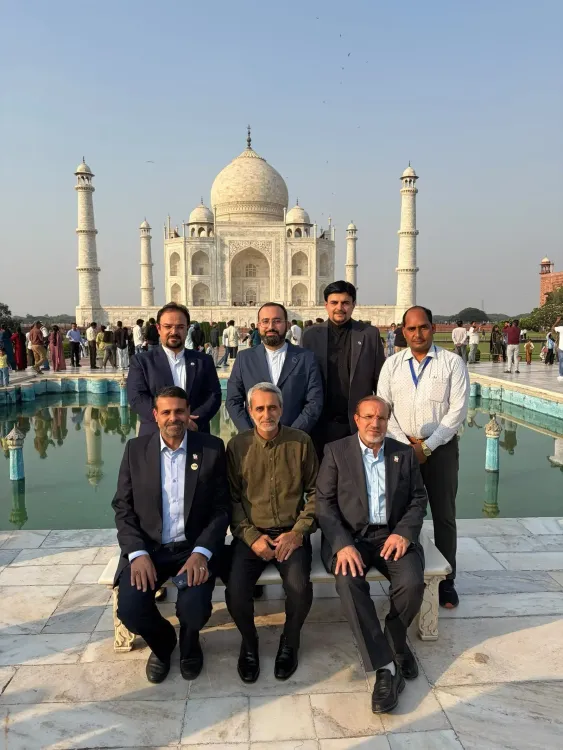
Iranian MPs visiting New Delhi for the 12th BRICS Parliamentary Forum toured the Taj Mahal in Agra on 27 October 2026 .
The Iranian Embassy in India posted photographs on X , citing the monument as a symbol of centuries-old cultural dialogue between Iran and India.
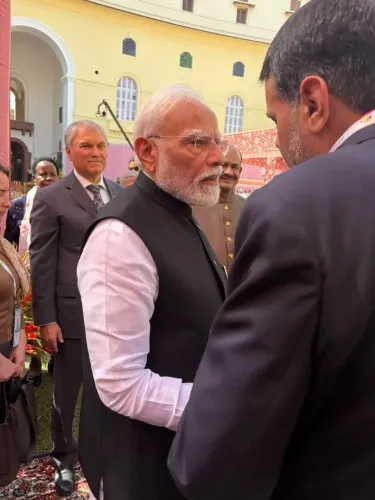
PM Narendra Modi , EAM S.
Jaishankar , and Congress MP Shashi Tharoor met the Iranian parliamentary representatives in courtesy calls on Monday .
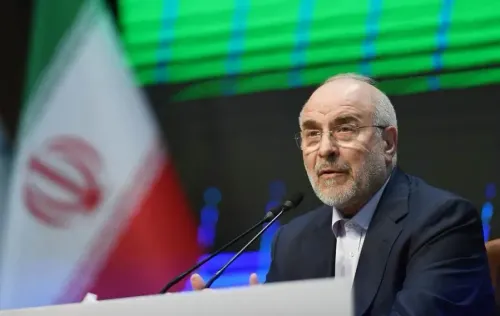
The delegation also held talks with Lok Sabha Speaker Om Birla on the sidelines of the forum.
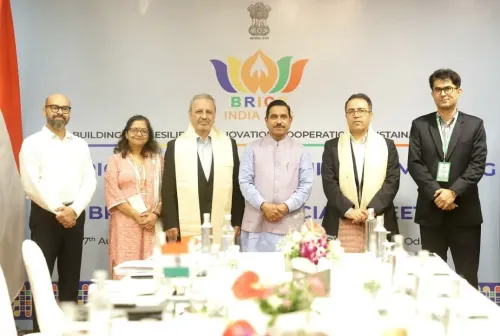
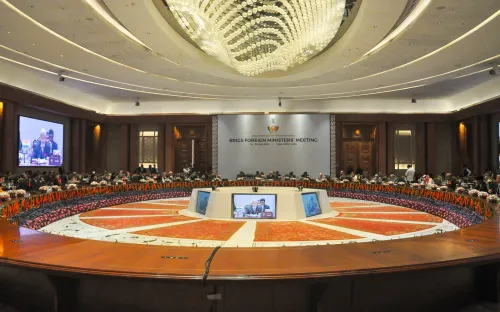
The 12th BRICS Parliamentary Forum focuses on strengthening parliamentary cooperation and people-centric development among BRICS member and partner nations.
Members of Iran's Parliament visited the Taj Mahal in Agra on Tuesday, 27 October 2026, on the sidelines of the 12th BRICS Parliamentary Forum being held in New Delhi. The Iranian Embassy in India shared photographs of the visit on X, describing the iconic monument as a living testament to centuries of cultural dialogue between the two civilisations.
What the Iranian Embassy Said
'Members of Iran's Parliament visited the iconic Taj Mahal, a timeless masterpiece reflecting the rich artistic heritage of India and the centuries-old cultural dialogue between Iran and India. From Persian-inspired gardens and calligraphy to India's remarkable craftsmanship and architectural traditions, the Taj Mahal stands as a symbol of how civilisations enrich one another,' the Embassy posted on X.
The Embassy also invoked the Iranian poet Sohrab Sepehri, quoting his work The Traveller: 'the Taj Mahal reflected in the Yamuna becomes a moment where art, life, and eternity meet.' It described the monument as 'a shared civilizational heritage, connecting our peoples across generations.'
High-Level Meetings on the Sidelines
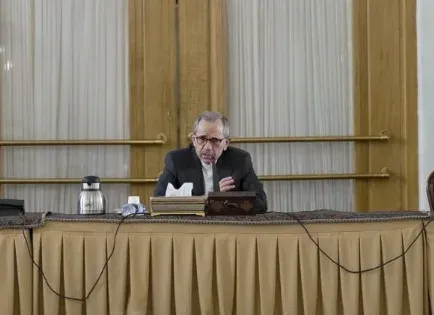
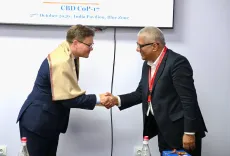
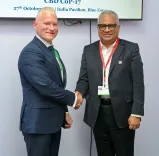
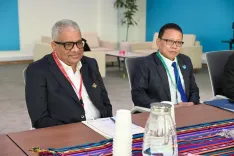
On Monday, the visiting Iranian parliamentary delegation held courtesy calls with Prime Minister Narendra Modi, External Affairs Minister S. Jaishankar, and Congress MP Shashi Tharoor on the sidelines of the forum in New Delhi. The Iranian Embassy described the meetings as 'underscoring the importance of bilateral relations between Iran and India.'
Earlier the same day, the delegation also met Lok Sabha Speaker Om Birla, with the Embassy noting that the two sides 'held talks' during the meeting. Iran's parliamentary delegation had arrived in New Delhi on Sunday to participate in the forum.
About the 12th BRICS Parliamentary Forum
The 12th BRICS Parliamentary Forum brought together parliamentary leaders from BRICS member and partner countries to discuss avenues for strengthening parliamentary cooperation and advancing people-centric development. The forum serves as a key track-two and legislative diplomacy channel within the BRICS architecture, which has expanded significantly in recent years to include new partner nations.
India-Iran Ties: The Broader Context
This comes amid a period of cautious but consistent diplomatic engagement between India and Iran, even as geopolitical pressures — including Western sanctions on Tehran — have periodically complicated bilateral economic ties. The Chabahar Port agreement remains a cornerstone of India-Iran cooperation, offering India a strategic trade corridor to Central Asia and Afghanistan. Cultural diplomacy, as seen in this Taj Mahal visit, adds a soft-power dimension to a relationship that is as much civilisational as it is strategic. Notably, Persian influence on Mughal architecture — most visible in the Taj Mahal's garden design and calligraphic inlays — makes the monument a natural symbol for Iran-India heritage diplomacy.
The parliamentary-level exchanges at the BRICS forum signal that both sides are keen to sustain engagement across multiple institutional channels, beyond the executive level alone.
Point of View
Mughal calligraphy, and Sohrab Sepehri is a deliberate attempt to anchor the relationship in civilisational continuity rather than transactional diplomacy. What is notable is that this framing comes from the Iranian side, not India's — suggesting Tehran is the more eager party in signalling warmth right now. For New Delhi, the choreography of Modi, Jaishankar, and Tharoor all receiving the delegation in a single day reflects a carefully managed display of bipartisan and multi-level engagement, without over-committing on substance.
NationPress
27 Oct 2026
Frequently Asked Questions
Why did Iranian MPs visit the Taj Mahal during the BRICS Parliamentary Forum?
The Iranian parliamentary delegation, in India for the 12th BRICS Parliamentary Forum in New Delhi, made a visit to the Taj Mahal in Agra on 27 October 2026 as a gesture of cultural diplomacy. The Iranian Embassy described the monument as reflecting centuries of shared heritage between Iran and India, citing Persian influences on Mughal architecture.
What is the 12th BRICS Parliamentary Forum?
The 12th BRICS Parliamentary Forum is a gathering of parliamentary leaders from BRICS member and partner countries held in New Delhi, focused on strengthening legislative cooperation and advancing people-centric development. It serves as a key institutional channel for parliamentary-level diplomacy within the BRICS grouping.
Who did the Iranian parliamentary delegation meet in India?
The delegation met Prime Minister Narendra Modi, External Affairs Minister S. Jaishankar, and Congress MP Shashi Tharoor in courtesy calls on Monday. They also held separate talks with Lok Sabha Speaker Om Birla on the sidelines of the forum.
What did the Iranian Embassy say about the Taj Mahal visit?
The Iranian Embassy in India posted on X that the Taj Mahal is 'a timeless masterpiece reflecting the rich artistic heritage of India and the centuries-old cultural dialogue between Iran and India.' It also quoted Iranian poet Sohrab Sepehri and described the monument as 'a shared civilizational heritage, connecting our peoples across generations.'
How does the Taj Mahal visit connect to India-Iran relations?
The visit carries symbolic weight because Persian design elements — including garden layouts and calligraphic traditions — are widely seen as direct influences on Mughal architecture, most visibly in the Taj Mahal. By highlighting this link, both sides are reinforcing a civilisational narrative at a time when bilateral ties also hinge on practical matters such as the Chabahar Port agreement and Western sanctions on Iran.