Yadav Meets Czech Deputy Minister at CBD COP17 in Yerevan
Synopsis
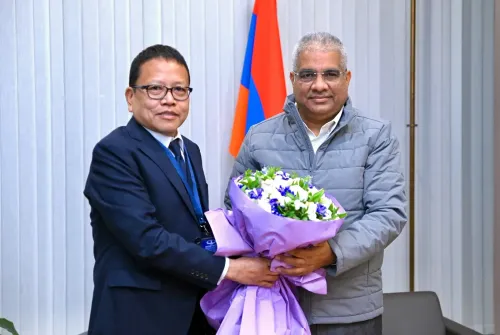
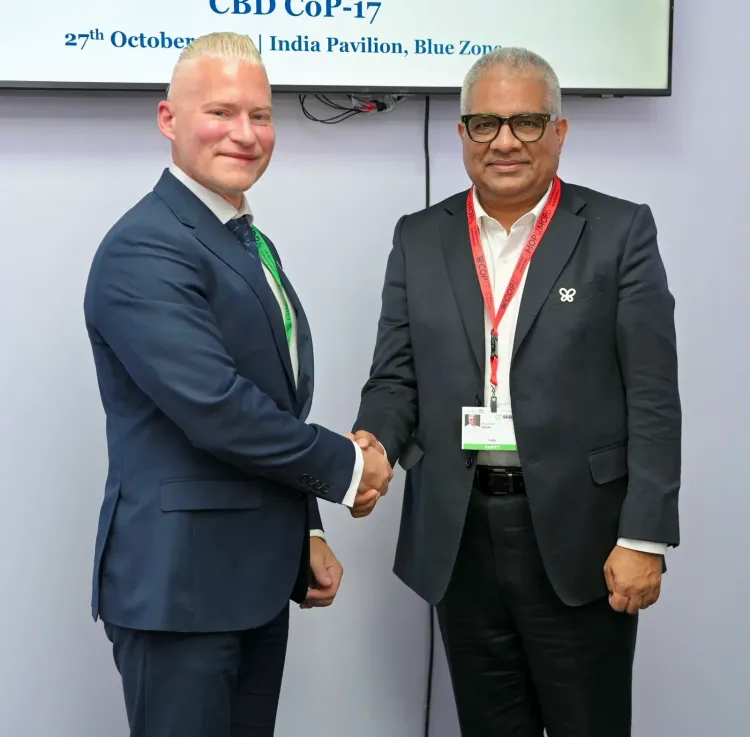
Union Environment Minister Bhupender Yadav met Czech Deputy Minister Ivo Marcin on the sidelines of CBD COP17 in Yerevan, Armenia, discussing waste management, water management, circular economy principles, and technology transfer between India and the Czech Republic.
Key Takeaways
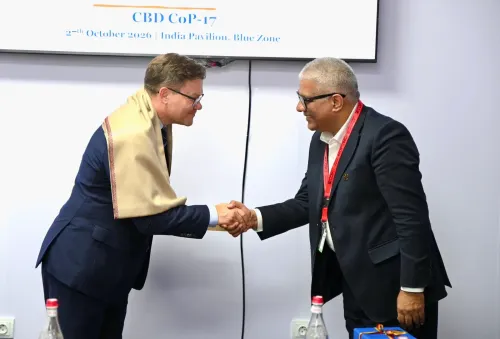
Union Environment Minister Bhupender Yadav held a bilateral meeting with Czech Deputy Environment Minister Ivo Marcin at CBD COP17 in Yerevan, Armenia on October 27, 2026 .
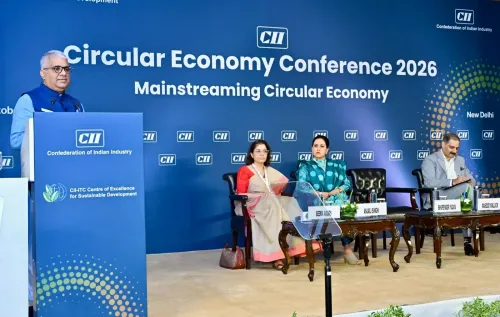
Discussions centred on waste and water management , with a focus on circular economy approaches and technology transfer .
India has been amending its Plastic Waste Management Rules since 2016 , creating a domestic policy foundation for such bilateral partnerships.
India hosted CBD COP11 in Hyderabad in 2012 and has maintained active engagement with the Convention on Biological Diversity since.
Potential outcomes include joint statements, MoUs, or pilot projects on waste-to-resource and wastewater technologies.
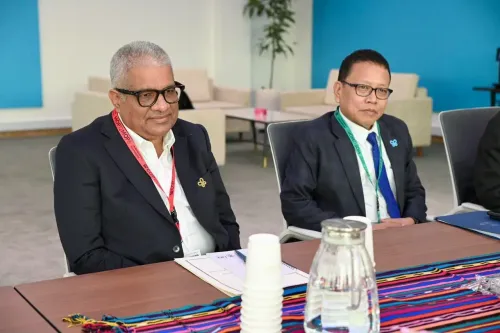
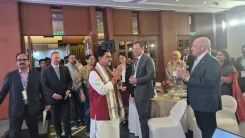
On the sidelines of the 17th Conference of the Parties to the Convention on Biological Diversity (CBD COP17) in Yerevan, Armenia, Union Environment Minister Bhupender Yadav sat down with Ivo Marcin, Deputy Minister of the Environment for the Czech Republic, for a focused bilateral exchange on Tuesday, October 27, 2026.
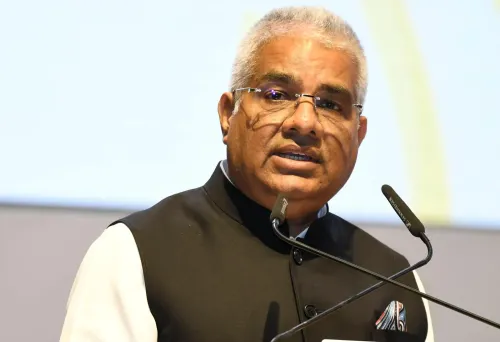
The two ministers trained their conversation on waste and water management, with particular emphasis on circular economy principles and the potential for technology transfer between the two countries. Yadav described the meeting as a productive engagement, posting on X: 'Delighted to have met with Mr Ing. Ivo Marcin, Deputy Minister of the Environment for the Czech Republic, on the sidelines of CBD COP17 in Yerevan, Armenia today.'
Why Circular Economy Is at the Centre of the India-Czech Conversation
The circular economy focus is not incidental. India has steadily expanded its regulatory framework around waste — amending its Plastic Waste Management Rules multiple times since 2016 — and is now actively seeking European partnerships to close technology gaps in areas like material recovery, wastewater treatment, and industrial recycling. The Czech Republic, as an EU member state, operates within Europe's more mature circular economy legislative architecture, making it a credible source of both technical know-how and investment interest. For India, CBD COP margins have long served as a productive diplomatic corridor. India has been an engaged party to the Convention on Biological Diversity since CBD COP11, which it hosted in Hyderabad in 2012, and it has consistently used such multilateral gatherings to advance bilateral environment agendas — especially with European counterparts.What Could Follow the Yerevan Talks
The immediate watch-points are concrete — whether the discussion crystallises into a joint statement, a memorandum of understanding, or pilot projects on waste-to-resource technology. Bilateral environment engagements at this level typically feed into longer institutional pipelines: working groups, technical missions, or co-funded demonstration projects. With India's domestic waste and water missions running at scale, matching them to proven European technologies is both a policy priority and a diplomatic opportunity. The broader CBD COP17 agenda — centred on global biodiversity targets and resource management — provides the multilateral backdrop against which these bilateral threads are being woven. India's engagement at Yerevan signals that New Delhi is using the summit not just as a forum for global commitments, but as a live marketplace for bilateral environmental cooperation.Point of View
Particularly with EU partners who hold technological advantages in the circular economy space. For the Czech Republic, engagement with India — one of the world's largest waste-generating economies — offers both a market and a soft-power opportunity. The technology-transfer framing is strategically significant: it signals India's intent to upgrade its domestic waste and water infrastructure through international partnerships rather than purely domestic solutions. Watch whether this ministerial-level conversation translates into an institutional mechanism before the next CBD cycle.
NationPress
27 Oct 2026
Frequently Asked Questions
Who is Bhupender Yadav?
Bhupender Yadav is India's Union Minister of Environment, Forest and Climate Change and a senior BJP leader. He represents India at major international environmental forums including CBD COP summits.
What did India and the Czech Republic discuss at CBD COP17?
India and the Czech Republic discussed waste management, water management, circular economy principles, and the potential for technology transfer from the Czech Republic to India in these areas.
What is India's circular economy policy track record?
India has amended its Plastic Waste Management Rules multiple times since 2016 and has pursued circular economy approaches across its waste sector, creating a regulatory foundation for international technology partnerships.
Has India engaged with CBD COP before?
Yes. India hosted CBD COP11 in Hyderabad in 2012 and has remained an active participant in the Convention on Biological Diversity, regularly using CBD COP sidelines for bilateral environment diplomacy.