Iran's Supreme Leader's Envoy Calls Trump's Actions a Personal War
Synopsis
In a recent statement, Iran's Supreme Leader's representative to India, Abdulmajid Hakim Elahi, condemned US-Israel actions as a personal war initiated by Trump, asserting Iran's control over the strategic Strait of Hormuz amid escalating regional tensions.
Key Takeaways
Strait of Hormuz: Historically under Iranian control for millennia.
Conflict Origins: Recent US-Israel actions labeled as Trump's personal war against Iran.
Retaliation: Iran's military response involved strikes on US and Israeli targets.
Global Respect: Khamenei mourned widely across various faiths and communities.
Longstanding Ties: Iran and India's relationship spans over 5,000 years.
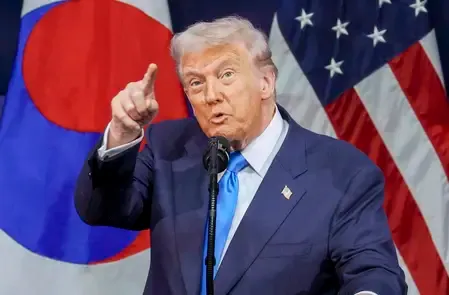
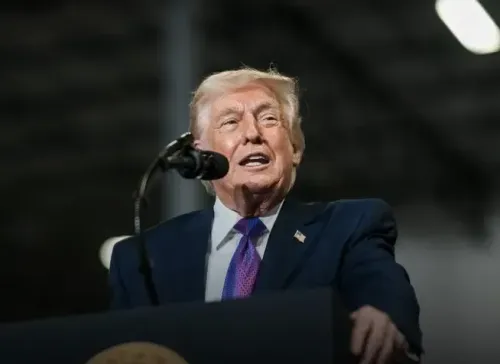
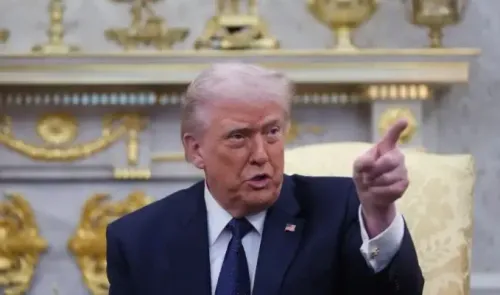
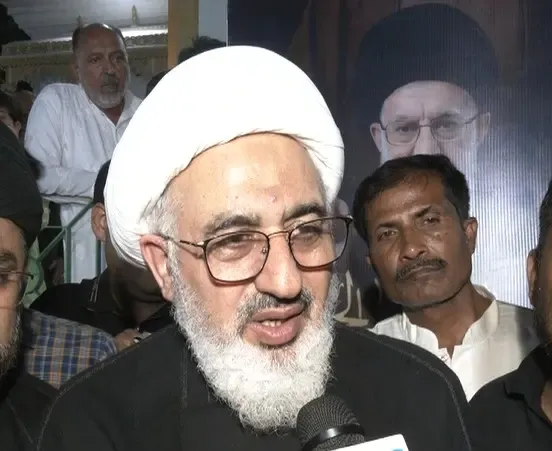
Patna, April 6 (NationPress) Abdulmajid Hakim Elahi, the representative of Iran's Supreme Leader to India, asserted that the Strait of Hormuz has been under Iranian oversight for millennia, with disturbances only surfacing following the recent hostilities involving the United States and Israel. He labeled this as a personal vendetta orchestrated by President Donald Trump against Iran.
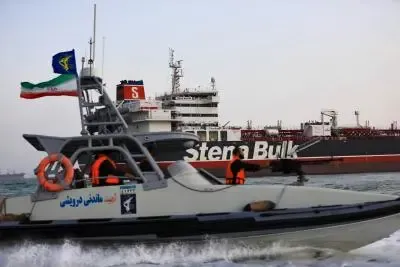
On February 28, the US and Israel enacted coordinated strikes that culminated in the death of Ayatollah Ali Khamenei. In retaliation, Iran conducted strikes against Israel and US military installations in nearby Gulf nations, triggering a wider escalation that has resulted in the ongoing crisis in the Strait of Hormuz, which has significantly hampered oil and energy supplies.
In an interview with IANS, Elahi remarked, "This conflict is President Trump’s war against Iran. It is well-known that this does not serve American interests. It is a personal endeavor of his, and now the Americans are entangled in it, seeking a way out but uncertain of how to disengage."
Regarding the potential reopening of the Strait of Hormuz, he reaffirmed Iran's historical governance over this vital shipping lane, attributing the current turmoil to the ongoing conflict.
"The Strait of Hormuz has existed for thousands of years; it remains under Iranian control. Iran will persist in this management. Prior to this conflict, there was no crisis. However, the US and Israel have instigated this war, resulting in numerous crises through the Strait of Hormuz. We anticipate a swift resolution to this situation," he stated.
Elahi also emphasized the deep-rooted historical relationship between Iran and India, describing it as a bond that spans over 5,000 years.
Reflecting on the global reaction to Khamenei's death, he noted the widespread respect he garnered across various communities and faiths.
"Ayatollah Ali Khamenei was not only a spiritual leader for Muslims but also a revered figure for many others—including Hindus and Christians—who respected and admired him. Upon hearing of his martyrdom, people from diverse backgrounds expressed their grief and paid their respects," he added.
Point of View
The situation in West Asia is critical, with significant implications for global oil supply and geopolitical stability. The claims made by Iran's representative underscore the complexities of international relations and the potential for further escalation in the region.
NationPress
16 Oct 2026
Frequently Asked Questions
What did Abdulmajid Hakim Elahi say about the Strait of Hormuz?
He stated that the Strait of Hormuz has been historically controlled by Iran for thousands of years and that current disruptions are a result of the conflict involving the US and Israel.
How did Iran respond to the recent US-Israel strikes?
Iran retaliated with strikes targeting Israel and US bases in neighboring Gulf countries, escalating tensions in the region.
What is the significance of Ayatollah Ali Khamenei's death?
His death was seen as a major loss for many communities, with respect shown by various faiths, highlighting his influence beyond just the Muslim population.
How long have Iran and India's relations existed?
Elahi emphasized that the relationship between Iran and India is deeply rooted and has been in place for over 5,000 years.
What does Elahi hope for regarding the Strait of Hormuz?
He expressed hope for a swift resolution to the ongoing crisis affecting the Strait of Hormuz.