ISI fueling radicalisation in Nepal's Terai, India on high alert
Synopsis
Indian intelligence agencies allege that Pakistan's ISI is running a sustained campaign to alter Nepal's demographic and communal landscape — particularly in the Terai region bordering Uttar Pradesh. Officials warn the strategy mirrors ISI playbooks used in West Bengal and the Northeast, and could be a prelude to pushing terrorists across India's open border with Nepal.
Key Takeaways
Indian security agencies are on high alert over alleged ISI-backed radicalisation and demographic change in Nepal's Terai region .
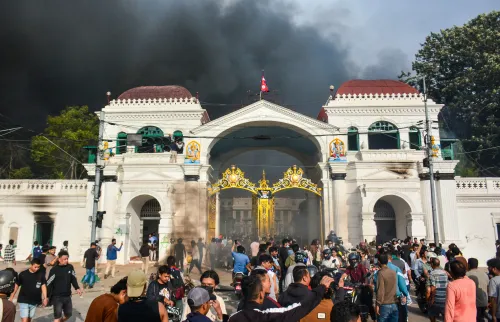
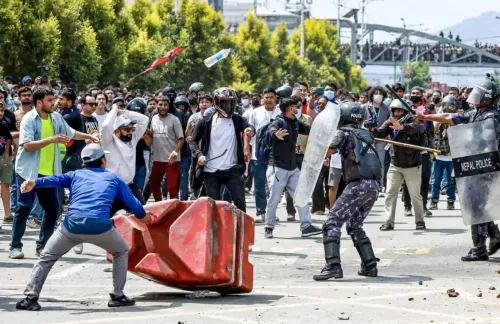
A communal clash in Nepal in July is believed by officials to be part of a wider, coordinated pattern.
Officials allege a sharp rise in Wahhabi-linked madrasas and the presence of Dawat-e-Islami in Nepalgunj .
The Terai borders Bahraich district, Uttar Pradesh , which saw communal violence and NSA invocations in 2024 .
Officials fear the ISI could exploit border instability to funnel terrorists into Jammu and Kashmir and other Indian states.
All claims are attributed to unnamed intelligence officials; they have not been independently verified.
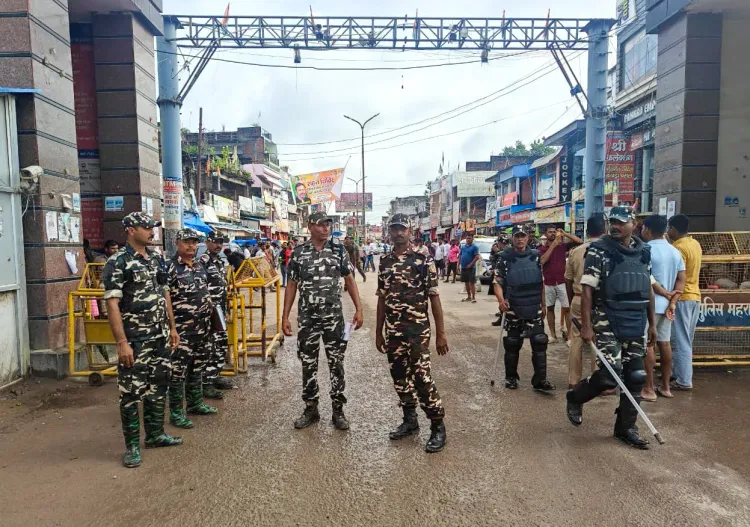
Indian security agencies are on high alert after intelligence reports indicated that Pakistan's Inter-Services Intelligence (ISI) is allegedly orchestrating demographic changes and radicalisation activities in Nepal's Terai region, which shares an open border with India. The concerns, which surfaced prominently around 15 August, follow a communal clash in Nepal in July that officials believe may be part of a broader, coordinated pattern.
What Intelligence Officials Are Saying
An Intelligence Bureau official stated that Nepal has long been used by Pakistan's spy agency as a transit corridor for moving terrorists into India. The newer concern, according to the official, is a sustained campaign allegedly designed to alter Nepal's demographic and communal landscape over the long term.
'Demographic change is occurring at a rapid pace in Nepal, and this is worrisome as incidents of communal violence are bound to go up. Several Hindu organisations in Nepal have protested several times and have demanded from the government that the rapid pace at which religious conversions are taking place must be halted,' the official claimed.
A second official noted that the Terai region — which borders Uttar Pradesh and other Indian states — has witnessed multiple clashes between Hindu and Muslim communities over the past year. 'The agencies fear that this could spill over into India and the situation could soon turn fragile,' the official said.
Alleged ISI Activity and Madrasa Expansion
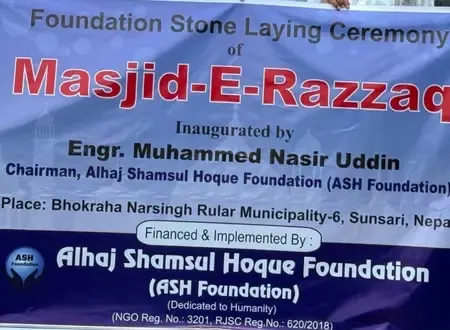
Officials alleged that the ISI has invested substantial resources in radicalisation programmes in the Terai. They claimed a sudden increase in madrasas associated with Wahhabi-linked activity in the region, which they believe has contributed to radicalisation. In Nepalgunj, a guest house was reportedly constructed to accommodate members of Dawat-e-Islami (DeI), a Pakistan-origin Islamic missionary organisation. Officials alleged that the organisation has been critical of Hinduism and has encouraged people to reject the religion.
According to officials, these developments have contributed to the emergence of several Islamist organisations in Nepal, with 'large-scale radicalisation and demographic changes' as the reported end result.
The Terai-India Border Risk
Nepalgunj and adjoining Terai areas lie close to the Uttar Pradesh border, including districts near Bahraich — already identified as communally sensitive. Violent clashes were reported in Bahraich in 2024 during a Durga idol immersion procession, involving arson and the invocation of the National Security Act (NSA). Officials drew a direct line between the Terai's instability and the risk of violence crossing into Indian territory through the open border.
Comparison With West Bengal and Northeast
Officials compared the alleged demographic change exercise in Nepal with patterns they have previously flagged in West Bengal and parts of Northeast India. They alleged that ISI-backed elements had facilitated large-scale illegal immigration into these regions, creating demographic pressures and contributing to communal tensions — a template they believe is now being replicated in Nepal.
The Broader Security Concern
Beyond demographic shifts and communal violence, officials warned that the ISI could exploit instability along the Nepal border to facilitate terrorist movement into Jammu and Kashmir and other parts of India. The open border between Nepal and India — which allows free movement of people — makes containment particularly challenging. Indian agencies are reportedly coordinating closely to monitor developments and prevent a spillover. All claims in this report are based on statements by unnamed officials and have not been independently verified; Nepal's government has not publicly commented on the allegations.
Point of View
Often without publicly verifiable evidence. That does not make the concern invalid, but it does demand scrutiny: Nepal is a sovereign democracy with its own communal fault lines, and demographic shifts in the Terai predate any alleged ISI campaign. The more credible worry is the open border's exploitation for terrorist transit — a documented vulnerability that successive governments have failed to structurally address. Conflating that genuine security risk with broader demographic and religious conversion narratives risks inflaming sentiment on both sides of the border, which, ironically, serves the very destabilisation agenda officials claim to be countering.
NationPress
30 Sept 2026
Frequently Asked Questions
What is India's concern about ISI activities in Nepal?
Indian intelligence agencies allege that Pakistan's ISI is orchestrating demographic changes and radicalisation in Nepal's Terai region, which borders India. Officials fear this could trigger communal spillover into India and be used to facilitate terrorist movement across the open Nepal-India border.
Which part of Nepal is at the centre of these concerns?
The Terai region, particularly areas around Nepalgunj, is the primary focus. It borders Uttar Pradesh, including the communally sensitive Bahraich district, and has reportedly seen multiple Hindu-Muslim clashes over the past year, according to officials.
What is Dawat-e-Islami and why is it mentioned?
Dawat-e-Islami is a Pakistan-origin Islamic missionary organisation. Indian officials alleged that a guest house was built in Nepalgunj to accommodate its members, and claimed the organisation has been critical of Hinduism — though these are unverified allegations attributed to unnamed officials.
How does this connect to India's internal security?
Officials warned that instability in Nepal's Terai could spill across the open border into India, and that the ISI could exploit it to push terrorists toward Jammu and Kashmir and other states. They drew comparisons to alleged ISI-backed illegal immigration into West Bengal and Northeast India.
Are these claims independently verified?
No. All claims in this report are based on statements by unnamed Indian intelligence officials and have not been independently verified. Nepal's government has not publicly responded to the allegations.