ISI espionage via social media: How likes and followers trap Indian spies
Synopsis
Pakistan's ISI has turned the algorithm against India — using fake likes, inflated follower counts, and manufactured engagement to lure reel-makers into its spy network. The Zaid Khan arrest in Telangana is one of a growing number of cases that reveal a systematic, low-cost recruitment pipeline targeting ordinary social media users, not just high-value assets.
Key Takeaways
Arrests in ISI-linked espionage cases in India have risen sharply over the past year, according to intelligence officials.
The ISI uses fake social media accounts to boost engagement of targets before tasking them with filming sensitive locations.
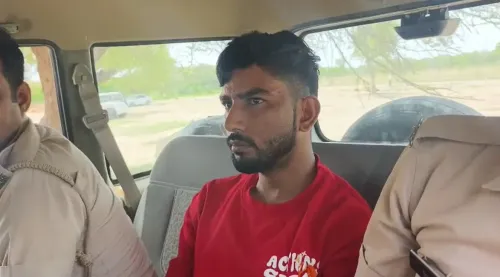
Zaid Khan of Uttar Pradesh was arrested by Telangana Police for allegedly collecting information on CM Yogi Adityanath's Personal Assistant and UP Cabinet ministers.
The ISI runs two parallel tracks: money for established influencers, fake likes and followers for smaller reel-makers.
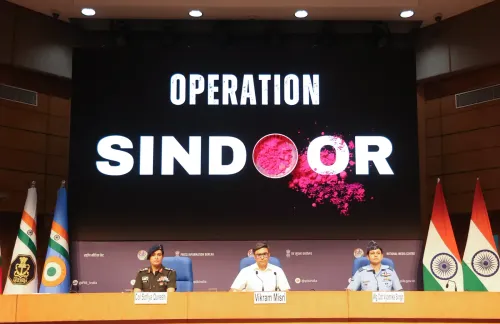
The recruitment push has reportedly intensified after Operation Sindoor , with a focus on India's defence sector.
Intelligence agencies are now monitoring ordinary reel-makers, not just high-profile accounts.
India's intelligence agencies have recorded a sharp rise in arrests linked to ISI-backed espionage networks over the past year, with Pakistan's spy agency increasingly exploiting social media platforms to recruit informants — targeting not just established influencers but ordinary reel-makers hungry for likes and followers.
How the Recruitment Works
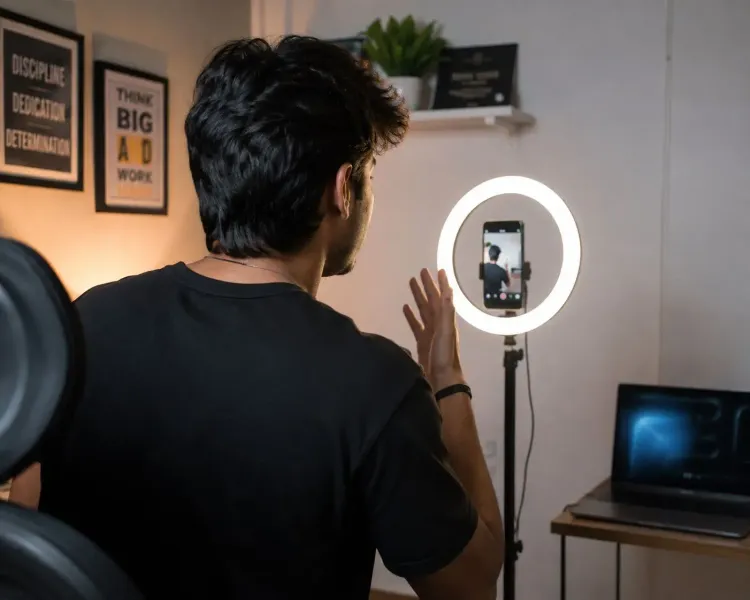
According to an Intelligence Bureau official, a dedicated network of recruiters and handlers based in Pakistan actively monitors individuals who post reels on social media. These operatives study the psychology of engagement-obsessed creators and deploy scores of fake accounts to artificially inflate their likes, comments, and follower counts.
The process is gradual. Handlers first establish rapport through sustained engagement, then request that targets film videos of specific locations — framed as innocent content creation. By the time targets realise the nature of these requests, officials say, they are already compromised. Small cash payments follow, with demands escalating to sharing intelligence on sensitive sites and installations.
Influencers vs. Reel-Makers: A Two-Track Trap
Officials draw a clear distinction between the ISI's two parallel recruitment pipelines. Established influencers — who already command large audiences — are primarily lured with money. Smaller creators, whose primary currency is engagement, are baited with likes and followers. The modus operandi is similar; only the incentive differs, officials noted.
The Zaid Khan Case
A concrete illustration of this method emerged in the arrest of Zaid Khan, a resident of Uttar Pradesh, by Telangana Police on espionage charges. According to investigators, two individuals — identified as Rana Hussain and Avid — began following and liking Khan's reels before initiating direct communication.
As his engagement grew, Khan agreed to work for the pair. He was subsequently tasked with obtaining the mobile number of Uttar Pradesh Chief Minister Yogi Adityanath's Personal Assistant and gathering information on various state Cabinet ministers. Additionally, Khan was reportedly promised a pistol — in exchange for which he was asked to put up posters in Uttar Pradesh on behalf of a Pakistan-based criminal. Officials noted the matter remains under investigation and suggested Khan may have sought the weapon simply to pose with it for a reel.
Post-Operation Sindoor Escalation
Officials say the ISI's recruitment drive has intensified significantly following Operation Sindoor, the Indian armed forces operation that, according to officials, deeply embarrassed Pakistan. The agency is now reportedly prioritising intelligence on India's defence sector, seeking information that could be leveraged to undermine the armed forces' credibility.
Intelligence agencies have expanded their social media surveillance accordingly, monitoring not only high-profile influencer accounts but also ordinary users whose primary motivation is boosting engagement. As one official put it, 'The ISI has understood the obsession of these people and is taking complete advantage of this.'
Point of View
Built around monitoring known networks, is now being forced to surveil an amorphous, constantly expanding pool of ordinary citizens. The Zaid Khan case also raises a harder question: if individuals can be recruited without ever understanding they are being recruited, the legal and ethical frameworks around espionage prosecutions need updating. The post-Operation Sindoor escalation signals that this is not a temporary spike — it is a sustained, evolving threat that will require digital literacy campaigns as much as intelligence surveillance.
NationPress
25 Sept 2026
Frequently Asked Questions
How is the ISI using social media to recruit spies in India?
The ISI deploys fake social media accounts to artificially boost the likes, followers, and engagement of targeted reel-makers. Once a relationship is established, handlers ask targets to film specific locations and eventually share sensitive information, often without the targets initially understanding the espionage angle.
Who is Zaid Khan and why was he arrested?
Zaid Khan is a resident of Uttar Pradesh who was arrested by Telangana Police on espionage charges. According to investigators, he was contacted by two individuals — Rana Hussain and Avid — who grew his social media engagement before tasking him with collecting the mobile number of CM Yogi Adityanath's Personal Assistant and information on UP Cabinet ministers.
What is the difference between how the ISI targets influencers versus ordinary reel-makers?
According to intelligence officials, established influencers with large followings are primarily lured with money, while smaller reel-makers are baited with fake likes and inflated follower counts. The underlying recruitment process is similar in both cases; only the incentive differs.
How has Operation Sindoor affected ISI espionage activity in India?
Officials say ISI recruitment efforts have intensified sharply following Operation Sindoor, with the agency now prioritising intelligence on India's defence sector. The operation reportedly embarrassed Pakistan, prompting a more aggressive push to build espionage networks inside India.
What are Indian intelligence agencies doing to counter this threat?
The Intelligence Bureau and related agencies have expanded social media surveillance beyond high-profile influencer accounts to include ordinary users who post reels. Officials are tracking engagement patterns to identify potential recruitment targets before they can be fully compromised.