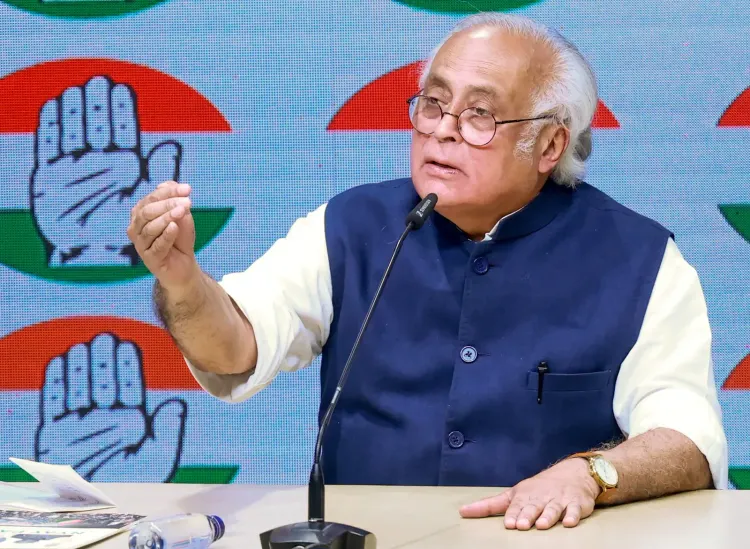
Inflation: Jairam Ramesh says rural India in 'acute distress'
Synopsis
Jairam Ramesh has turned inflation into a rural-versus-Centre battle. He says villages face rising prices on salt, dal, mustard oil and cooking gas while incomes stall. He links the anger to an alleged gutting of MGNREGA and to the BJP's setback in Rajasthan's panchayat polls.
Key Takeaways
Congress General Secretary Jairam Ramesh said on 26 November 2026 that rural India is in acute distress due to inflation.
He cited rising costs of salt, sugar, lentils, spices, onions, mustard oil and cooking gas , along with education, medical and transport expenses.
Ramesh alleged the Centre has effectively dismantled MGNREGA , creating employment anxiety among the rural poor.
He said marginalised families are being forced to cut essentials or borrow to meet daily expenses.
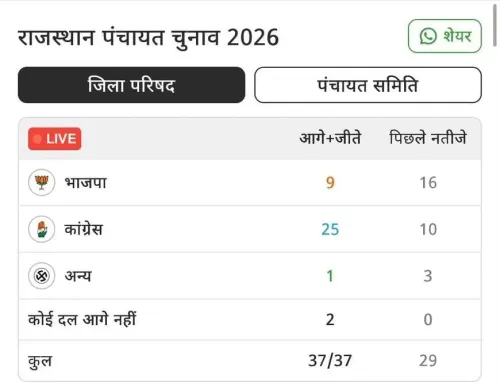
Ramesh claimed rural anger was reflected in Rajasthan's Panchayati Raj elections , calling the result a major setback for the BJP.
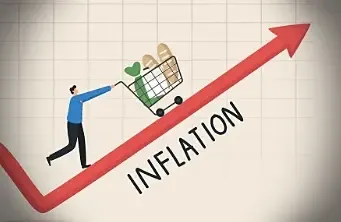
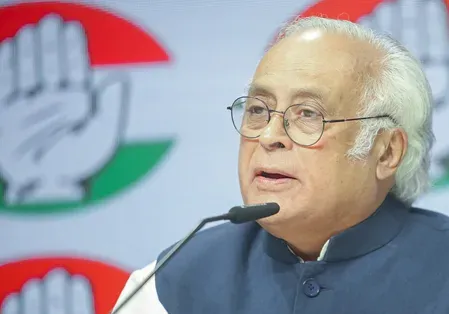
Congress General Secretary Jairam Ramesh on Thursday, 26 November 2026, accused the Centre of failing to control inflation. He alleged that rising prices of essential commodities have pushed rural India into a state of acute distress. In a post on X from New Delhi, Ramesh said villages are hit hardest because they already face limited jobs and stagnant incomes.
His remarks widen the Indian National Congress (Congress) offensive against the Bharatiya Janata Party (BJP)-led government over the cost of living. They also link the inflation debate directly to rural employment security and recent electoral outcomes in Rajasthan.
What Jairam Ramesh Said
Ramesh argued that while the entire country is grappling with high prices, the burden is far heavier in villages, where purchasing power has fallen more sharply than in urban centres.
“The entire nation is reeling under the burden of inflation, but its impact on rural India is far more severe -- it is in a state of acute distress. There is a lack of sufficient employment opportunities, incomes are stagnant, and on top of that, the cost of daily necessities continues to climb due to inflation,” he said.
He listed the everyday items he said were becoming harder to afford. “Just imagine -- how does a farmer's or an agricultural labourer's family manage to survive? From basic food items like salt, sugar, lentils, spices, onions and mustard oil to cooking gas, children's education, medical expenses and transportation -- the cost of every single necessity is rising. Skyrocketing prices are placing an unrelenting burden on their pockets,” Ramesh said.
“Stagnant incomes coupled with year-on-year runaway inflation -- this is the 'price' the Modi government has exacted from the people!” he added.
Impact on Marginalised Households
According to Ramesh, families are being forced to choose between cutting back on essentials and borrowing money to meet daily expenses. He said socially and economically marginalised communities are the worst affected. In his view, these households often lack savings, stable employment and the financial cushion needed to absorb sudden economic shocks.
“Such families now face a grave crisis regarding their livelihoods, social security and the ability to lead a life with dignity,” he said.
MGNREGA and Rural Employment
The Congress leader also targeted the government's handling of the Mahatma Gandhi National Rural Employment Guarantee Act (MGNREGA). He alleged that the scheme, which provided employment security to rural households, had been effectively dismantled.
“By weakening this system, the Modi government has created new anxieties regarding the employment security of the rural poor,” Ramesh said.
Notably, MGNREGA has long been a political flashpoint between the two parties. The Congress frames it as a core rural safety net, and its critique of the scheme's handling has become a recurring theme in the party's economic messaging.
The Rajasthan Panchayat Poll Angle
Ramesh claimed that rural India is “seething with anger” over inflation, unemployment and falling incomes. He said this discontent showed up in Rajasthan's recent Panchayati Raj elections, which he described as a major setback for the BJP's 'double-engine' government.
“This pain and discontent were also evident in Rajasthan's recent Panchayati Raj elections, where the 'double-engine' government suffered a major setback. In the upcoming elections, too, the BJP is likely to face further such setbacks, driven by issues like inflation, unemployment and declining incomes,” he added.
The remarks come amid the Congress's continued criticism of the Centre over the cost of living, rural jobs and the economic strain on low-income households. The BJP's response to Ramesh's latest charges, and whether inflation becomes a central plank in the next round of state elections, will be closely watched.
Point of View
He offered no specific inflation figures, which leaves the argument open to rebuttal on data. By using the Rajasthan panchayat results as his evidence, the Congress is testing whether kitchen-table economics can be turned into votes. That is a strategy that has historically worked better in villages than in cities. The Centre's real vulnerability is less the headline inflation number than the gap between rural incomes and the cost of a basic household basket.
NationPress
26 Nov 2026
Frequently Asked Questions
What did Jairam Ramesh say about inflation in rural India?
Jairam Ramesh said rural India is in a state of acute distress because rising prices are compounded by stagnant incomes and a lack of jobs. He made the remarks in a post on X on 26 November 2026.
Which essential items did Ramesh say are getting costlier?
He cited salt, sugar, lentils, spices, onions, mustard oil and cooking gas. He also pointed to rising costs of children's education, medical expenses and transportation.
What did Ramesh allege about MGNREGA?
Ramesh alleged that the Modi government has effectively dismantled MGNREGA, the scheme that provided employment security to rural households. He said weakening it has created new anxieties for the rural poor.
Why did Ramesh refer to the Rajasthan Panchayati Raj elections?
He said the rural discontent over inflation was reflected in Rajasthan's recent Panchayati Raj elections, which he called a major setback for the BJP's 'double-engine' government. He predicted further setbacks for the BJP in upcoming elections.
Who is most affected by inflation according to the Congress?
According to Ramesh, socially and economically marginalised communities are hit hardest because they often lack savings, stable jobs and financial resources. He said such families face a crisis over livelihoods, social security and dignity.