Jaishankar at Kultaranta Talks: India's Energy, EU Ties, Gulf Policy
Synopsis
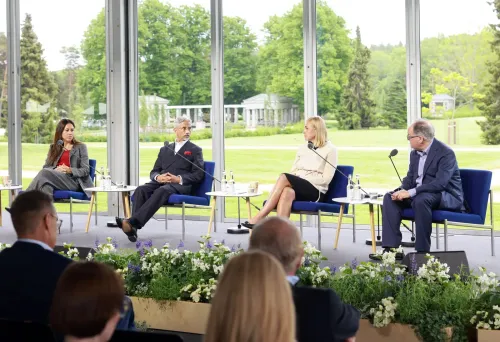
EAM Dr. S. Jaishankar joined Finnish FM Elina Valtonen and UAE's Lana Nusseibeh at the Kultaranta Talks on 11 June 2026, articulating India's energy autonomy, Gulf centrality, supply-chain resilience, and landmark India-EU agreements on trade, defence, and mobility concluded this year.
Key Takeaways
Jaishankar participated in the 'Emerging Powers and the New Geopolitical Competition' panel at Kultaranta Talks, Finland on 11 June 2026 .
India reiterated that its energy purchases are driven by affordability and availability , not external pressure — a direct reference to its continued diversified energy sourcing.
India and the EU concluded an FTA , a Strategic and Defence Partnership , and a Comprehensive Mobility Cooperation Framework in 2026 alone.
Jaishankar stressed de-risking and diversifying supply chains to build resilience amid global volatility.
He highlighted the Gulf region as central to India's foreign policy, citing energy ties, diaspora links, and a growing defence partnership.
Evolving warfare technologies were flagged as opening 'fresh avenues for India-EU defence and strategic cooperation .'
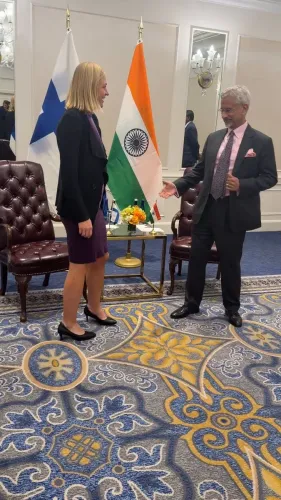
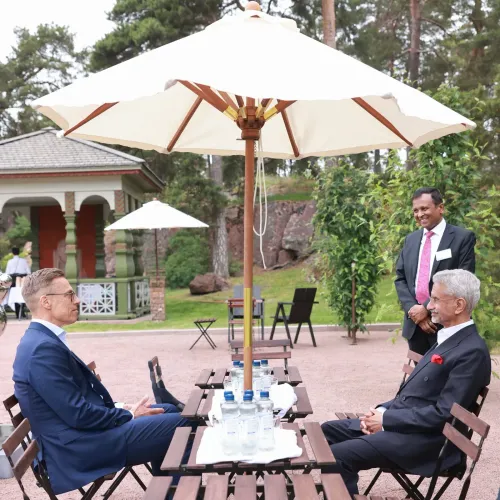
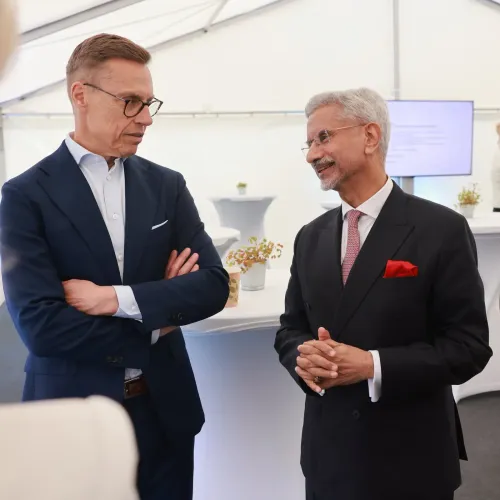
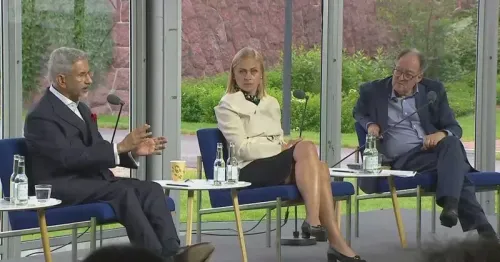
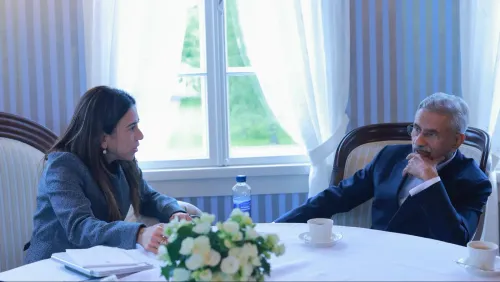
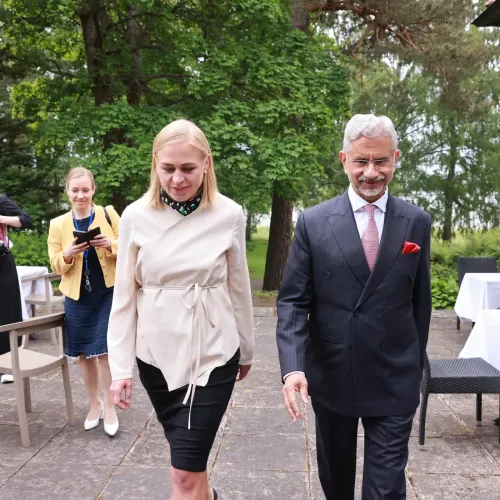
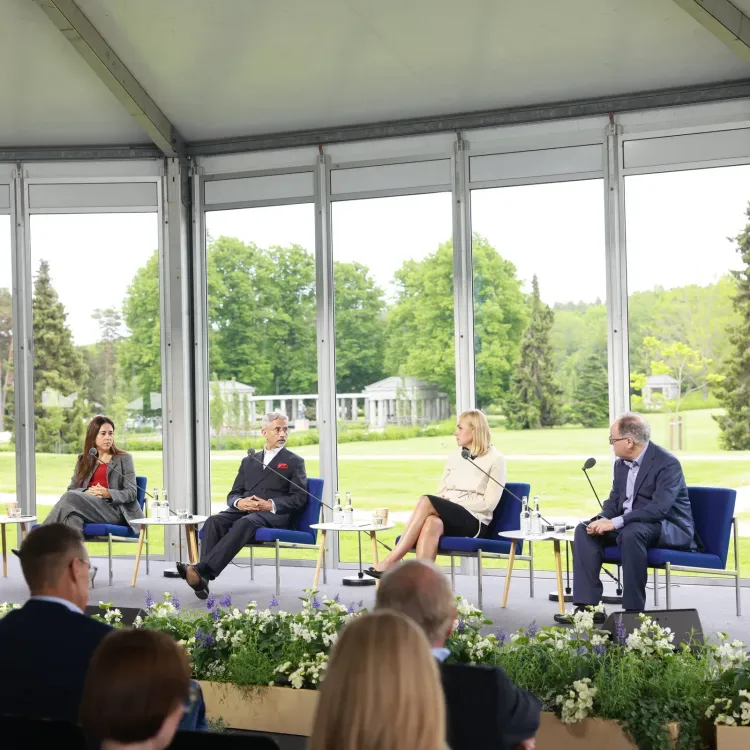
Union External Affairs Minister Dr. S. Jaishankar participated in a high-level panel discussion on 'Emerging Powers and the New Geopolitical Competition' at the Kultaranta Talks in Finland on 11 June 2026, alongside Finnish Foreign Minister Elina Valtonen and UAE Assistant Foreign Minister Lana Nusseibeh. The annual forum, hosted by the President of Finland at Kultaranta, brought together senior diplomats to assess shifting global power dynamics amid ongoing conflicts and supply-chain disruptions.
Context
The Kultaranta Talks is Finland's flagship foreign-policy dialogue, convened annually to examine pressing global security and economic challenges. This year's edition drew attention to the compounding effects of ongoing armed conflicts, with Dr. Jaishankar noting that these conflicts 'are imposing costs and triggering changes far beyond the regions' directly affected. The three-way conversation brought together perspectives from Europe, the Gulf, and South Asia — three regions with deeply interlinked economic and security interests.
The panel agreed that the international community must 'continue efforts to mitigate their consequences and create conditions for diplomacy,' signalling a shared multilateral impulse even as geopolitical blocs harden. Lana Nusseibeh, a long-serving UAE diplomat handling multilateral affairs, and Elina Valtonen, Finland's Foreign Minister since 2023, joined Jaishankar in stressing the urgency of diplomatic engagement over escalation.
Policy Backdrop
Dr. Jaishankar used the platform to articulate India's energy policy with characteristic directness, reiterating that 'India's energy choices are guided by national interest, with purchases based on considerations of affordability and availability.' The statement is consistent with India's posture since the Russia-Ukraine war intensified global energy price pressures, during which New Delhi resisted Western pressure to curtail Russian oil imports while simultaneously deepening ties with Gulf producers.
On supply chains, he emphasised 'de-risking and diversifying,' building 'greater resilience and redundancy in an increasingly volatile world' — language that mirrors the broader G20 and Indo-Pacific Economic Framework discourse India has championed. He also highlighted the centrality of India's relations with the Gulf region, underpinned by strong people-to-people ties, energy cooperation, and a growing strategic and defence partnership — a relationship that has deepened substantially through high-level visits and defence memoranda since 2014.
Significantly, Dr. Jaishankar noted that India and the European Union have, in 2026 alone, concluded negotiations on a Free Trade Agreement, signed a Strategic and Defence Partnership, and inked a Comprehensive Mobility Cooperation Framework — developments he described as 'reflecting the growing depth of the relationship.' India and the EU established a Strategic Partnership as far back as 2004, but the FTA negotiations were relaunched only in June 2022 after nearly a decade of stagnation.
Stakeholders and Impact
Indian defence manufacturers and energy importers stand to gain most directly from the frameworks Jaishankar outlined. The observation that 'the character of warfare is evolving rapidly, with new technologies, weapons and tactics coexisting with traditional forms of conflict' was paired with a call for 'fresh avenues for India-EU defence and strategic cooperation' — a signal to both domestic industry and European partners about the direction of procurement and co-development discussions.
For the Indian diaspora in the Gulf — numbering in the millions — the minister's emphasis on people-to-people ties alongside energy and strategic cooperation underscores that bilateral relations with UAE and neighbouring states are no longer purely transactional. The Comprehensive Mobility Cooperation Framework with the EU, if ratified, would also have direct implications for Indian professionals and students seeking mobility within the European Union.
What's Next
Attention will now turn to a formal India-EU Summit for ratification and implementation of the concluded FTA, the Strategic and Defence Partnership, and the Mobility Framework — three pillars that together represent the most substantive upgrade in India-EU ties in two decades. Parallel diplomatic calendars will track the next India-Gulf strategic dialogue, especially as Gulf states navigate their own balancing acts between Western partners and emerging-power alignments. Dr. Jaishankar's presence at Kultaranta signals that India intends to remain an active voice in shaping the rules of the emerging multipolar order, engaging Western forums without subordinating its energy or strategic autonomy to bloc pressures.
Point of View
Not defiance — continues a consistent diplomatic line that has insulated New Delhi from bloc pressure while maintaining access to all major partners. The trifecta of India-EU agreements announced this year, if implemented, would mark the most consequential upgrade in the relationship since the 2004 Strategic Partnership, reflecting a maturing of ties that goes beyond trade into defence and people mobility. Taken together, the Gulf and EU threads Jaishankar wove at Kultaranta illustrate India's multi-alignment doctrine in real time: deepening with Europe without distancing from the Gulf, and engaging on security without surrendering economic autonomy.
NationPress
26 Oct 2026
Frequently Asked Questions
What is Kultaranta Talks and why did Jaishankar attend?
Kultaranta Talks is Finland's annual foreign-policy forum hosted by the Finnish President at the Kultaranta estate. Dr. Jaishankar attended on 11 June 2026 to participate in a panel on 'Emerging Powers and the New Geopolitical Competition' alongside Finnish FM Elina Valtonen and UAE's Lana Nusseibeh.
What did Jaishankar say about India's energy policy at Kultaranta Talks?
Jaishankar reiterated that India's energy choices are guided by national interest, with purchases based on considerations of affordability and availability — signalling that India will continue to source energy from whichever partners offer the best terms, regardless of geopolitical pressure.
What agreements has India signed with the EU in 2026?
According to Jaishankar's statement at Kultaranta, India and the EU concluded negotiations on a Free Trade Agreement , signed a Strategic and Defence Partnership , and signed a Comprehensive Mobility Cooperation Framework in 2026, marking a significant deepening of ties.
Why does India consider the Gulf region important?
India views the Gulf as central to its foreign policy because of strong people-to-people ties — including a large Indian diaspora — energy cooperation, and a growing strategic and defence partnership. Jaishankar highlighted all three dimensions at the Kultaranta Talks.
What did Jaishankar say about supply chain diversification?
Jaishankar emphasised the importance of de-risking and diversifying supply chains to build greater resilience and redundancy in an increasingly volatile world — a position consistent with India's broader post-pandemic and post-Ukraine-war economic strategy.