Jaishankar Calls on Kuwait Crown Prince, Conveys Modi's Greetings
Synopsis
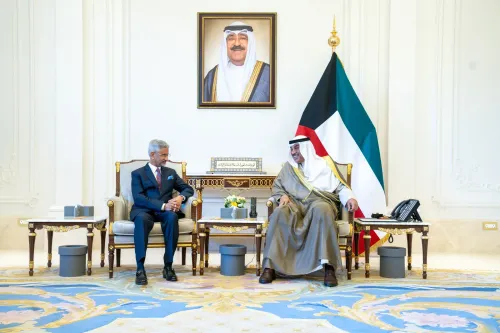
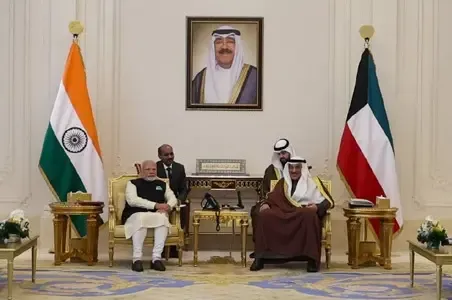
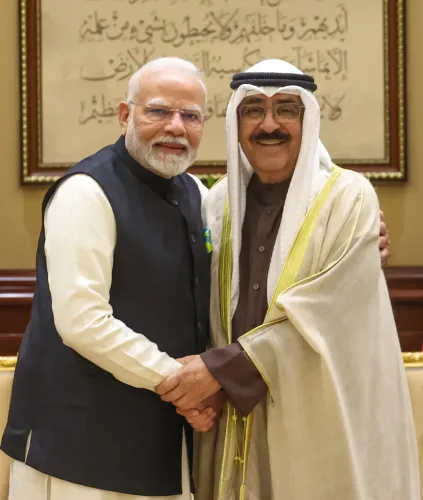
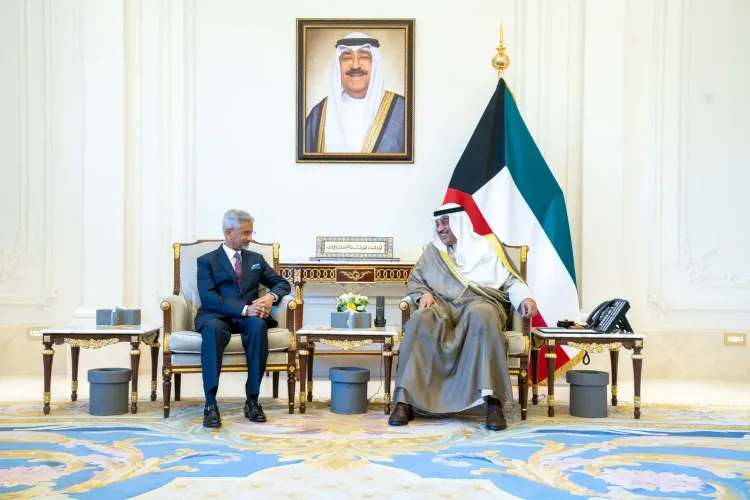
External Affairs Minister Dr. S. Jaishankar called on Kuwait Crown Prince Sheikh Sabah Al-Khaled Al-Sabah on 8 July 2026, conveying PM Modi's greetings and reaffirming India's commitment to bilateral cooperation and engagement on Gulf regional developments.
Key Takeaways
Jaishankar met Kuwait Crown Prince Sheikh Sabah Al-Khaled Al-Sabah on the morning of 8 July 2026 .
The Minister conveyed the warm greetings of Prime Minister Narendra Modi to the Crown Prince.
The Crown Prince reaffirmed his commitment to advancing India-Kuwait bilateral cooperation .
Both sides exchanged perspectives on developments across the Gulf region .
India and Kuwait have maintained diplomatic relations since 1962 , with ties upgraded to a strategic partnership in 2013 .
The meeting aligns with India's broader 'Act West' policy of sustained high-level engagement with GCC states.
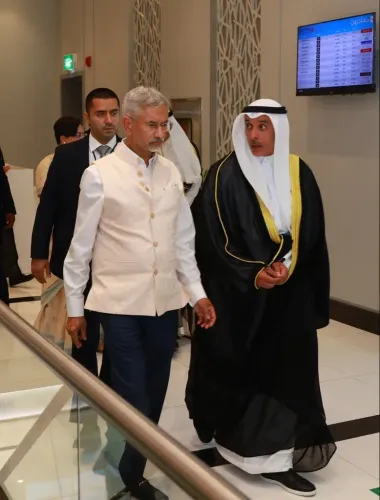
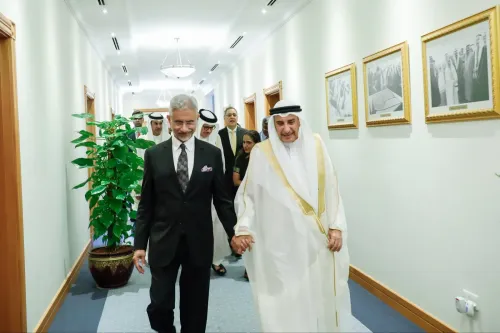
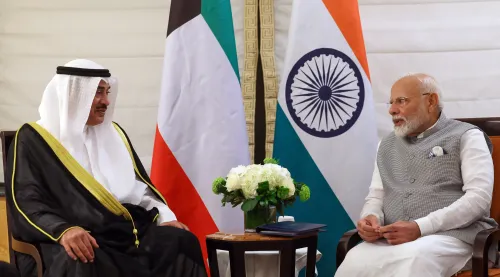
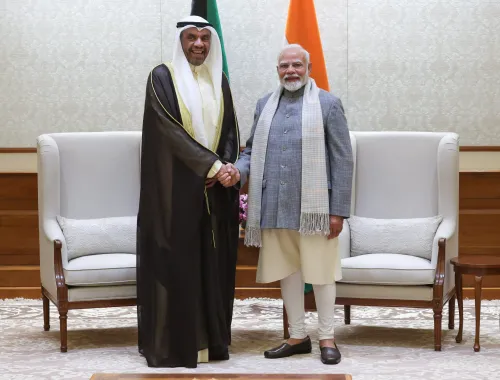
Union External Affairs Minister Dr. S. Jaishankar called on Crown Prince His Highness Sheikh Sabah Al-Khaled Al-Sabah of Kuwait on the morning of Wednesday, 8 July 2026, conveying the warm greetings of Prime Minister Narendra Modi and reaffirming India's commitment to deepening bilateral ties with the Gulf state.
Context
Dr. Jaishankar described the meeting as a privilege, noting that the Crown Prince expressed a clear commitment to taking forward bilateral cooperation between the two countries. The Minister also thanked Sheikh Sabah Al-Khaled Al-Sabah for sharing his perspectives on developments across the Gulf region, signalling a candid exchange on regional dynamics.
Kuwait and India have maintained formal diplomatic relations since 1962, and the relationship was upgraded to a strategic partnership during the 2013 visit of the Amir of Kuwait to New Delhi. The meeting builds on that long-standing foundation.
Policy Backdrop
India's engagement with Gulf Cooperation Council states has been a consistent priority under New Delhi's 'Act West' policy, which seeks to secure energy supplies, protect the welfare of the large Indian diaspora and expand trade and investment linkages. Kuwait is a significant energy supplier to India and hosts one of the largest Indian expatriate communities in the Gulf.
High-level contacts between the two countries have historically covered labour mobility, oil cooperation and regional stability. The call on the Crown Prince fits a well-established pattern of Indian ministers and the Prime Minister maintaining direct channels with senior Gulf leadership to advance these interests.
Stakeholders and Impact
The Indian diaspora in Kuwait — numbering in the hundreds of thousands — stands to benefit from sustained high-level attention to labour welfare and consular issues. Energy importers and Indian businesses with Gulf exposure will be watching for any follow-through on trade or investment frameworks that may emerge from the renewed diplomatic momentum.
For Kuwait, the engagement with a senior Indian minister signals continued importance placed on the bilateral relationship at a time of evolving Gulf regional dynamics, including ongoing shifts in security arrangements and economic diversification efforts under Kuwait's Vision 2035.
What's Next
Attention will now turn to whether the meeting produces concrete outcomes through existing bilateral mechanisms, including the India-Kuwait Joint Commission, which coordinates cooperation across trade, energy and labour. Any announcements on labour agreements or energy supply arrangements would be closely tracked by both governments and industry stakeholders.
The visit also positions India ahead of broader multilateral Gulf dialogues, where New Delhi's relationships with individual GCC member states serve as building blocks for its wider regional strategy. Dr. Jaishankar's outreach to the Crown Prince reinforces India's intent to keep its Gulf partnerships active and forward-looking at the highest levels.
Point of View
Designed to keep Gulf channels warm at the highest levels. The explicit mention of PM Modi's greetings signals that this is not a standalone visit but part of a coordinated leadership-level outreach to GCC states. With Kuwait serving as both a key energy supplier and home to a large Indian diaspora, the meeting keeps bilateral mechanisms primed for potential agreements on labour welfare and energy cooperation. The exchange on Gulf regional developments also suggests New Delhi is actively gathering first-hand perspectives from Gulf royals as regional security alignments continue to shift.
NationPress
8 Jul 2026
Frequently Asked Questions
Why did Jaishankar visit Kuwait in July 2026?
Dr. S. Jaishankar called on Kuwait Crown Prince Sheikh Sabah Al-Khaled Al-Sabah on 8 July 2026 to convey Prime Minister Modi's greetings and discuss ways to advance India-Kuwait bilateral cooperation, as part of India's sustained engagement with Gulf states.
Who is Sheikh Sabah Al-Khaled Al-Sabah?
Sheikh Sabah Al-Khaled Al-Sabah is the Crown Prince of Kuwait. He has previously served in senior government roles including as Deputy Prime Minister and Foreign Minister of Kuwait.
What is India's relationship with Kuwait?
India and Kuwait established formal diplomatic relations in 1962. The bilateral relationship was upgraded to a strategic partnership in 2013, covering energy cooperation, trade, labour welfare and people-to-people ties.
What is India's Act West policy?
India's Act West policy refers to New Delhi's strategic approach of deepening engagement with Gulf Cooperation Council states to secure energy supplies, protect the Indian diaspora and expand trade and investment links.
What could be the outcomes of the Jaishankar-Kuwait Crown Prince meeting?
Potential follow-up outcomes include progress through the India-Kuwait Joint Commission on labour, energy and trade matters, though no specific agreements from the 8 July 2026 meeting have been confirmed publicly.