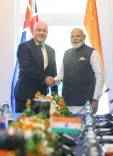
Jaishankar Concludes Oman Visit, Highlights Bilateral Ties

Synopsis
External Affairs Minister Dr. S. Jaishankar wrapped up his official visit to Oman on July 11, 2026, spotlighting India's enduring strategic, defence and economic partnership with the Gulf sultanate rooted in over seven decades of diplomatic ties.
Key Takeaways
Jaishankar concluded his official visit to Oman on July 11, 2026 .
India and Oman have maintained diplomatic relations since 1955 , one of India's oldest Gulf partnerships.
Prime Minister Modi last visited Oman in 2018 , advancing defence, maritime and economic cooperation.
Oman is a key partner in Indian Ocean maritime security , including joint naval exercises such as Naseem Al Bahr .
The Indian expatriate community and energy importers are among the key stakeholders watching the visit's outcomes.
Follow-up announcements on defence or trade initiatives from the visit are expected through official channels.
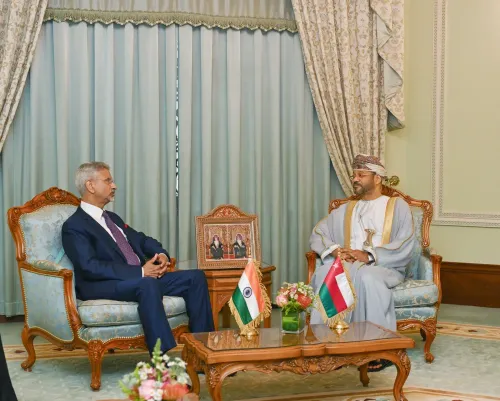
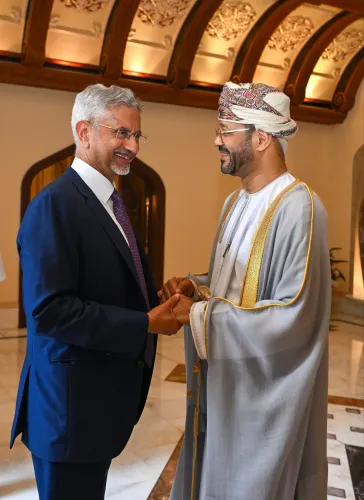
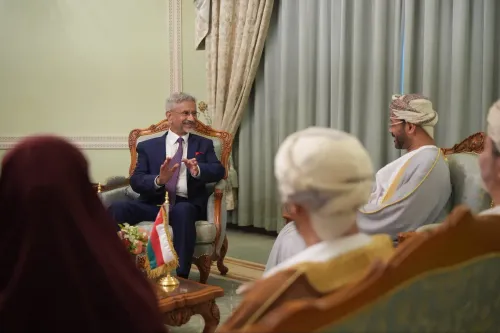
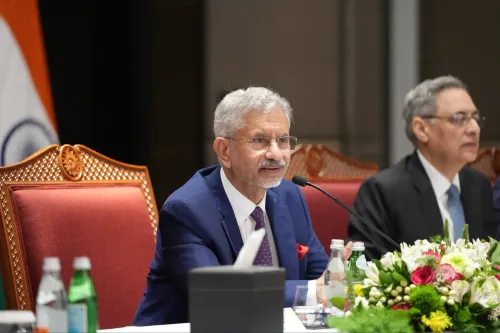
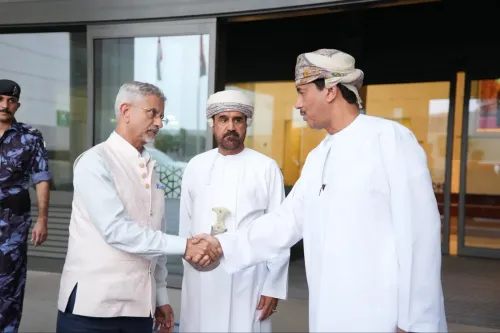
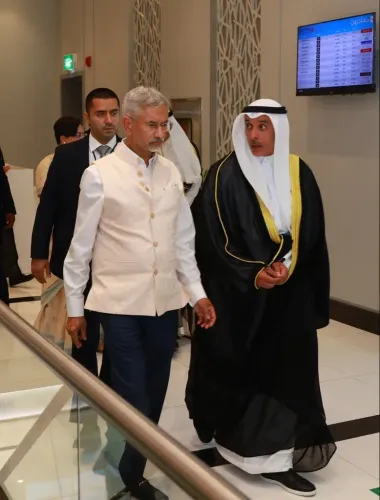
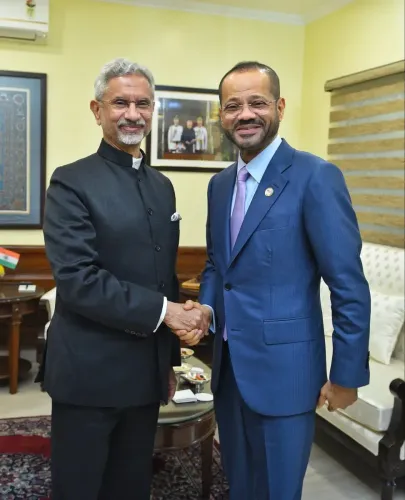
Union External Affairs Minister Dr. S. Jaishankar concluded his official visit to Oman on Saturday, July 11, 2026, sharing highlights of the trip on social media and underscoring the depth of the India-Oman partnership.
Context
Dr. Jaishankar posted on X that he had 'concluded' his visit to Oman, flagging select highlights of the engagements. The visit, marked by the Indian and Omani flags in his post, signals the continued importance New Delhi places on its ties with the Gulf sultanate. India and Oman have maintained diplomatic relations since 1955, making it one of India's oldest partnerships in West Asia.
Oman occupies a strategically significant position at the mouth of the Strait of Hormuz, a critical chokepoint for global energy flows. The sultanate has consistently maintained balanced external relations, a posture that aligns well with India's own multi-alignment foreign policy.
Policy Backdrop
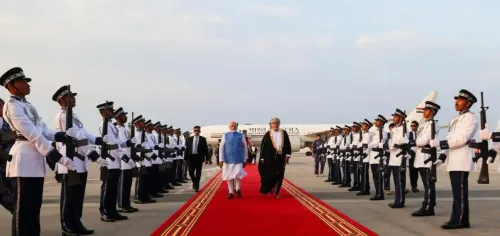
High-level visits between the two countries have been a regular feature of the relationship. Prime Minister Narendra Modi visited Oman in 2018, advancing cooperation in defence, maritime security and economic ties. The current visit by the External Affairs Minister continues that tradition of sustained senior-level engagement.
The bilateral relationship spans multiple pillars: energy imports, defence cooperation, counter-piracy operations, and diaspora welfare. Joint naval exercises such as Naseem Al Bahr reflect the maritime security dimension that both sides regard as a priority. India's large expatriate community in Oman further anchors the people-to-people dimension of the relationship.
Oman is a member of the Gulf Cooperation Council (GCC) and has been a consistent partner as India deepens its West Asia outreach. Under Sultan Haitham bin Tariq, who assumed power in January 2020, Muscat has continued its policy of economic diversification and calibrated external partnerships, creating fresh avenues for Indian investment and cooperation.
Stakeholders and Impact
The visit carries significance for multiple stakeholders. The Indian diaspora in Oman — one of the largest Gulf communities of Indian origin — watches such visits closely for signals on consular services, labour welfare and bilateral mobility arrangements. Energy sector stakeholders in India are equally attentive, given Oman's role as a supplier of liquefied natural gas and crude oil to Indian refiners.
For India's defence establishment, Oman is a key partner in the Indian Ocean Region, offering access arrangements and joint exercises that contribute to maritime domain awareness. Any outcomes from the visit touching on defence logistics or naval cooperation would be of direct interest to the Indian armed forces.
What's Next
Follow-up announcements on specific agreements or initiatives from the visit are expected through official channels in the coming days. Attention will also turn to whether the visit feeds into broader GCC-level engagements that India has been pursuing as part of its structured West Asia diplomacy. The External Affairs Ministry is likely to release a detailed readout covering the full scope of Dr. Jaishankar's meetings in Muscat.
As India navigates a complex regional environment — marked by evolving Gulf security dynamics and global energy volatility — sustained ministerial-level engagement with partners like Oman remains central to New Delhi's foreign policy calculus.
Point of View
Israel and Western powers simultaneously — makes it a valuable interlocutor for India's multi-alignment posture. The timing also reflects India's interest in locking in stable energy and maritime partnerships at a moment of continued regional flux. The visit reinforces that India treats the Gulf not merely as a source of remittances and energy, but as a theatre of active strategic investment.
NationPress
11 Jul 2026
Frequently Asked Questions
Why did Jaishankar visit Oman in July 2026?
Dr. S. Jaishankar visited Oman as part of India's sustained high-level diplomatic engagement with Gulf partners, covering areas such as defence cooperation, maritime security, energy ties and the welfare of the Indian diaspora.
What is the current state of India-Oman relations?
India and Oman share diplomatic relations dating to 1955. The partnership covers defence, maritime security, energy trade and people-to-people ties, with a large Indian expatriate community resident in Oman.
Who is the ruler of Oman?
Oman is ruled by Sultan Haitham bin Tariq , who assumed power in January 2020 following the passing of Sultan Qaboos bin Said.
What is the Naseem Al Bahr exercise?
Naseem Al Bahr is a bilateral naval exercise conducted jointly by the Indian Navy and the Royal Navy of Oman, reflecting the maritime security dimension of India-Oman defence cooperation.
What could be the outcomes of Jaishankar's Oman visit?
Possible outcomes include announcements on defence logistics, energy agreements, consular and diaspora welfare measures, and coordination on upcoming GCC-level diplomatic engagements involving India.