Jaishankar Wraps Productive Visit to Kuwait

Synopsis
External Affairs Minister Dr. S. Jaishankar wrapped up a productive visit to Kuwait on 9 July 2026, underscoring India's sustained diplomatic outreach to GCC member states amid ongoing efforts to deepen energy ties, expand trade, and safeguard the welfare of the Indian diaspora in the Gulf.
Key Takeaways
Jaishankar completed a bilateral visit to Kuwait on 9 July 2026 , describing it as 'productive.' India and Kuwait have maintained formal diplomatic relations since 1962 .
Kuwait is a founding member of the Gulf Cooperation Council (GCC) , a key partner bloc in India's 'Act West' foreign policy.
The Indian diaspora and energy importers are primary stakeholders in India-Kuwait ministerial engagements.
A formal Ministry of External Affairs readout detailing outcomes is awaited.
The visit reflects India's broader pattern of intensified high-level exchanges with Gulf states to diversify energy sources and expand trade ties.
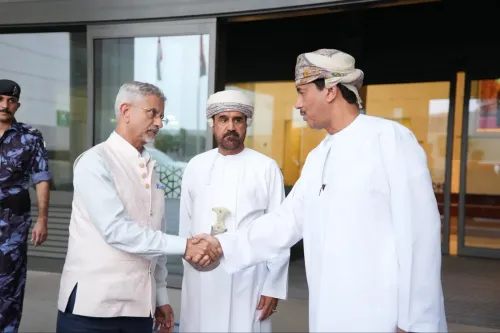
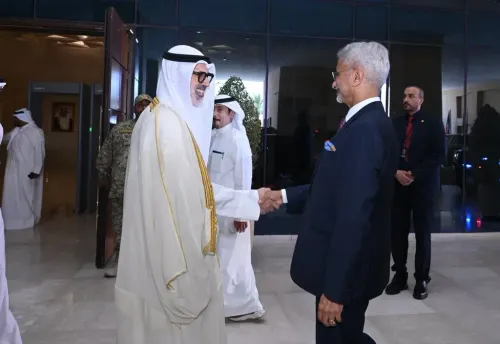
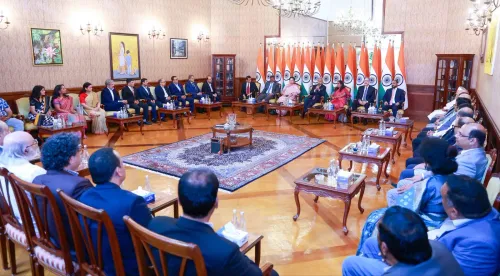
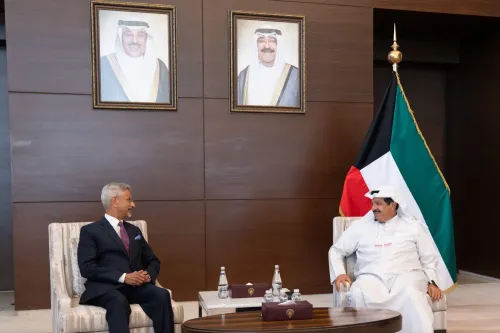
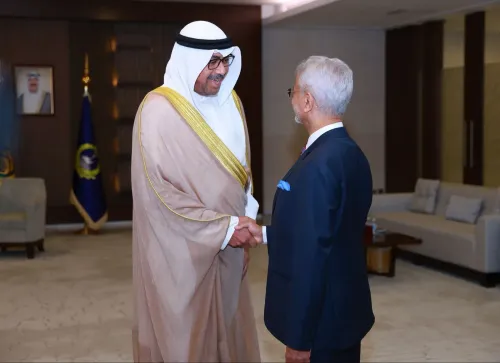
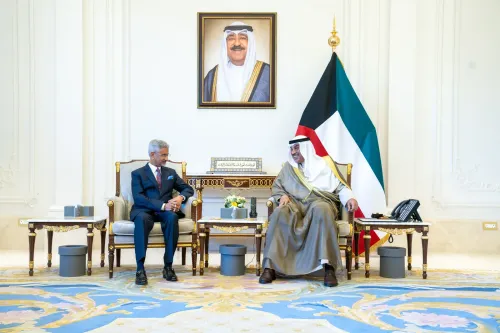
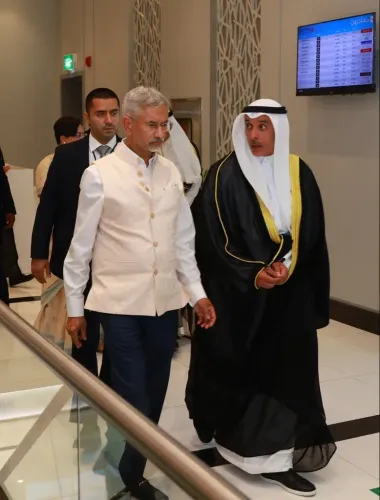
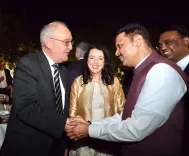
Union External Affairs Minister Dr. S. Jaishankar on Thursday, 9 July 2026 announced the conclusion of a productive visit to Kuwait, sharing a glimpse of the engagements on social media as he wrapped up the bilateral trip.
Context
Dr. Jaishankar posted on X, 'Completed a productive visit to Kuwait. A glimpse,' accompanied by the Indian and Kuwaiti flag emojis — a customary signal of bilateral goodwill. The post included a video offering a visual account of the visit's proceedings, though specific meeting details and any agreements reached remain to be formally disclosed by the Ministry of External Affairs.
India and Kuwait share diplomatic ties dating back to 1962, making this one of India's oldest and most consistent relationships in the Gulf region. Kuwait is a founding member of the Gulf Cooperation Council (GCC), the regional bloc with which India has pursued structured strategic dialogues over the past decade.
Policy Backdrop
India has steadily intensified high-level diplomatic exchanges with GCC member states as part of its broader 'Act West' foreign policy approach. The outreach aims to diversify energy supply chains, expand trade and investment corridors, and address welfare concerns of the large Indian expatriate community spread across the Gulf.
Kuwait occupies a particularly significant position in this framework. As a major oil exporter, it is a key energy partner for India, which remains one of the world's largest crude importers. Beyond hydrocarbons, the two countries share deep people-to-people ties built over decades of Indian migration to Kuwait for work.
Dr. Jaishankar, who has served as India's ambassador to the United States, China, and Singapore before becoming Foreign Secretary and subsequently External Affairs Minister in 2019, has been a central figure in driving India's Gulf diplomacy at the ministerial level.
Stakeholders and Impact
The Indian diaspora in Kuwait — one of the largest expatriate communities in the Gulf — stands as a primary stakeholder in any outcome from such ministerial visits. Issues of labour mobility, worker welfare, and remittance flows are perennial agenda items in India-Kuwait engagements.
Indian energy importers and businesses with interests in the GCC region also watch these visits closely, as high-level political engagement often underpins longer-term commercial and investment agreements. The visit reinforces the continuity of India's diplomatic presence across Gulf capitals.
What's Next
The Ministry of External Affairs is expected to release a formal readout detailing the meetings held and outcomes achieved during the Kuwait visit. Follow-up action could include progress on labour mobility frameworks, energy cooperation arrangements, or India's participation in upcoming GCC ministerial or summit-level engagements.
The visit adds to a pattern of sustained Indian diplomatic activity in the Gulf, and signals that New Delhi's engagement with Kuwait City remains active at the highest levels of the External Affairs Ministry.
Point of View
Often overshadowed by larger Gulf economies in media coverage, is strategically significant as both an energy supplier and a host to a substantial Indian workforce. The visit signals that India views GCC engagement as a continuous process rather than an event-driven one. As India's energy import needs grow and competition for Gulf investment intensifies, such visits carry weight beyond the optics of flag emojis.
NationPress
8 Oct 2026
Frequently Asked Questions
Why did Jaishankar visit Kuwait in July 2026?
Dr. Jaishankar visited Kuwait to hold bilateral discussions as part of India's sustained diplomatic engagement with Gulf Cooperation Council member states, focusing on areas including energy cooperation, trade, and the welfare of the Indian diaspora.
What are India-Kuwait relations like?
India and Kuwait have maintained formal diplomatic relations since 1962. Kuwait is a key energy supplier to India and hosts a large Indian expatriate community, making it an important partner in India's Gulf outreach.
What is India's 'Act West' policy?
India's 'Act West' policy refers to New Delhi's strategic effort to deepen political, economic, and people-to-people ties with West Asian and Gulf nations, including GCC members like Kuwait, Saudi Arabia, and the UAE.
How large is the Indian diaspora in Kuwait?
Kuwait hosts one of the largest Indian expatriate communities in the Gulf region, with Indian workers forming a significant portion of the country's labour force across sectors such as construction, healthcare, and services.
What could be the outcomes of Jaishankar's Kuwait visit?
Possible outcomes include progress on labour mobility frameworks, energy cooperation arrangements, and groundwork for India's participation in upcoming GCC ministerial or summit-level meetings, though a formal readout from the Ministry of External Affairs is awaited.