Jaishankar Meets Kuwait FM, Reviews Strategic Partnership
Synopsis
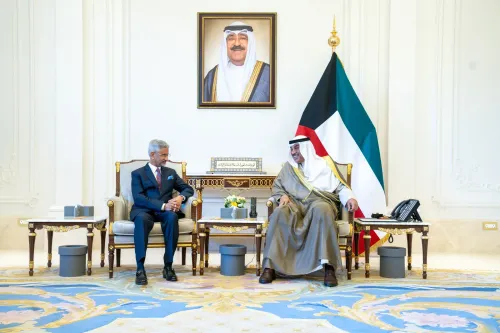
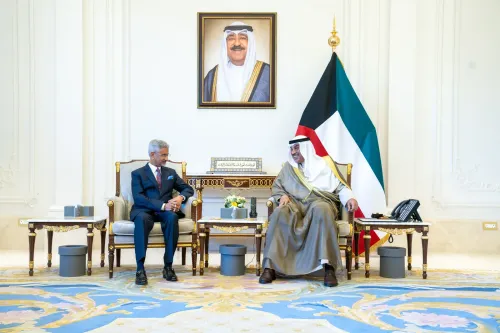
External Affairs Minister Dr. S. Jaishankar met Kuwait's Foreign Minister on 8 July 2026, reviewing the India-Kuwait Strategic Partnership across energy, trade, defence, technology, food security and diaspora welfare, while also discussing the broader impact of the ongoing Gulf conflict.
Key Takeaways
Jaishankar met Kuwait FM Sheikh Jarrah Jaber Al-Ahmad Al-Sabah on 8 July 2026 .
Talks covered the impact of the ongoing Gulf conflict on the region and beyond.
India conveyed appreciation for Kuwait's efforts in ensuring the well-being of the Indian expatriate community .
Both sides reviewed cooperation in energy, trade, investments, defence, technology, food security and health .
Both ministers expressed confidence the India-Kuwait Strategic Partnership will continue to strengthen.
Diplomatic ties between India and Kuwait date to 1961 , with Kuwait being a key crude oil supplier to India.
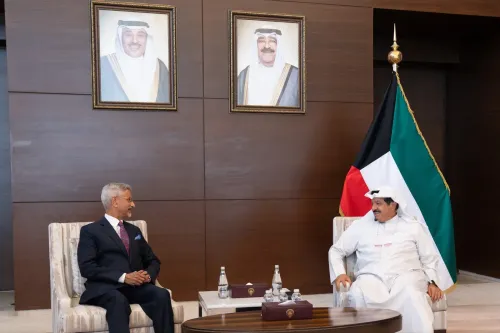
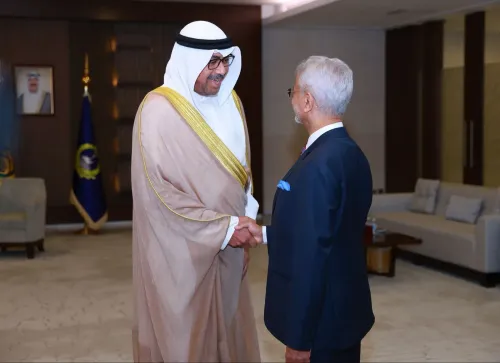
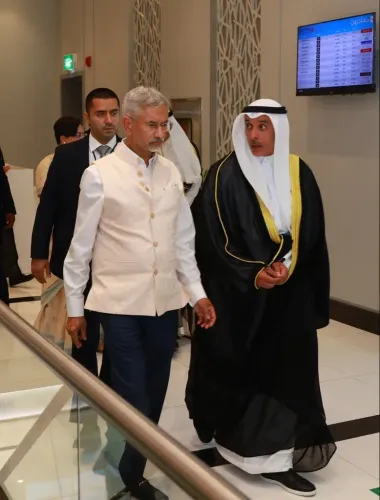
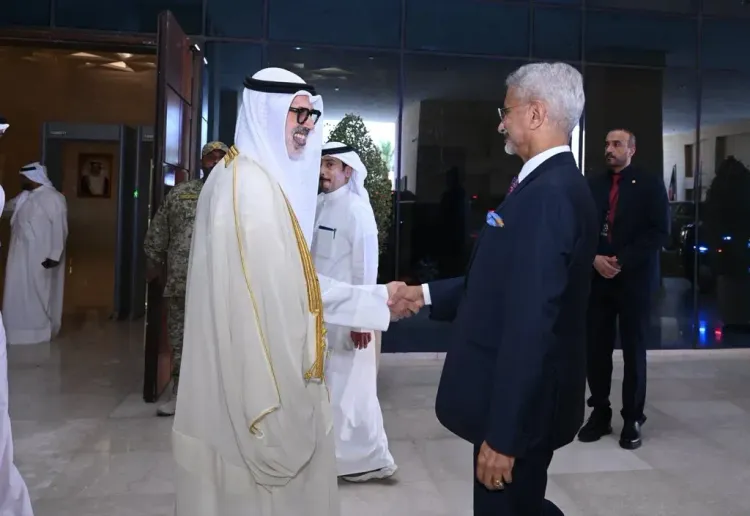
Union External Affairs Minister Dr. S. Jaishankar met Kuwait Foreign Minister Sheikh Jarrah Jaber Al-Ahmad Al-Sabah on Wednesday, 8 July 2026, holding wide-ranging talks that spanned the impact of the ongoing Gulf conflict, bilateral trade, energy ties, and the welfare of the Indian community in Kuwait.
Context
Dr. Jaishankar described the meeting as 'a pleasure' and said both sides 'jointly assessed cooperation focusing on energy, trade, investments, defence, technology, food security and health domains.' He also conveyed India's appreciation to the Kuwaiti side for 'ensuring the well-being of the Indian community' — a pointed reference to the large Indian expatriate population that lives and works in the Gulf state.
Kuwait hosts one of the largest Indian diaspora communities in the Gulf, and their welfare — particularly during periods of regional instability — remains a consistent priority in New Delhi's diplomatic outreach to West Asia.
Policy Backdrop
Diplomatic relations between India and Kuwait were formally established in 1961, the year Kuwait gained independence. Over six decades, the relationship has evolved from a primarily energy-and-remittance corridor into a broader Strategic Partnership that now encompasses defence cooperation, technology exchange, and food security — sectors that both sides reviewed in Wednesday's meeting.
Kuwait is a longstanding supplier of crude oil to India, making energy security a foundational pillar of the bilateral equation. India's sustained diplomatic engagement with Gulf Cooperation Council member states is driven by the twin imperatives of securing energy supplies and protecting millions of Indian workers abroad, especially at times when Middle East tensions run high.
The discussion on the 'impact of Gulf conflict on the region and beyond' signals that both nations are alive to the economic and humanitarian ripple effects of the instability currently affecting the wider West Asian theatre, though neither side has publicly detailed the specific developments under review.
Stakeholders and Impact
The most immediate stakeholders are the Indian expatriate community in Kuwait, whose remittances form a significant component of India's inward foreign exchange flows from the Gulf. Assurances from the Kuwaiti government on their well-being carry direct economic and social weight for thousands of Indian families.
On the energy front, Indian refiners and the broader economy stand to benefit from a stable and cooperative relationship with Kuwait, which remains one of India's key crude suppliers. The inclusion of food security and health in the joint assessment reflects a newer, post-pandemic dimension of Gulf partnerships that has gained prominence in recent years.
Defence and technology cooperation, also flagged in the talks, point to an ambition to diversify the relationship well beyond hydrocarbons — consistent with India's broader strategy of deepening strategic content in its Gulf partnerships.
What's Next
Both sides expressed confidence that the India-Kuwait Strategic Partnership will 'continue to strengthen in times to come,' suggesting follow-on mechanisms are expected. The next India-Kuwait Joint Commission meeting or Foreign Office Consultations would be the natural forum to translate Wednesday's political-level assessment into actionable sectoral roadmaps across energy, trade, defence, and food security. The trajectory of the Gulf conflict will remain a key variable shaping how quickly and deeply both sides can advance cooperation across the identified domains.
Point of View
' Dr. Jaishankar signals that New Delhi is actively stress-testing its strategic partnerships against a volatile West Asian backdrop. The breadth of sectors covered — from energy to food security to defence — reflects India's deliberate effort to move Gulf relationships beyond their traditional hydrocarbon base. The reaffirmation of the Strategic Partnership framework suggests both capitals see the bilateral relationship as resilient enough to absorb regional turbulence and deepen simultaneously.
NationPress
7 Oct 2026
Frequently Asked Questions
Why did Jaishankar meet the Kuwait Foreign Minister in July 2026?
Dr. Jaishankar met Kuwait FM Sheikh Jarrah Jaber Al-Ahmad Al-Sabah on 8 July 2026 to review the India-Kuwait Strategic Partnership, discuss the impact of the Gulf conflict, and assess cooperation in energy, trade, defence, technology, food security and health.
What is the India-Kuwait Strategic Partnership?
The India-Kuwait Strategic Partnership is the bilateral framework that guides cooperation between the two countries across energy, trade, investments, defence, technology and related sectors, building on diplomatic ties established since Kuwait's independence in 1961.
How many Indians live in Kuwait and why does their welfare matter?
Kuwait hosts one of the largest Indian expatriate communities in the Gulf. Their welfare is a key diplomatic priority for India because their remittances contribute significantly to India's foreign exchange inflows, and regional instability can put them at risk.
What sectors did India and Kuwait discuss in the 2026 meeting?
Both sides jointly assessed cooperation in energy, trade, investments, defence, technology, food security and health, according to Dr. Jaishankar's post on X following the meeting.
What is the Gulf conflict that Jaishankar referred to?
Dr. Jaishankar referred to the ongoing conflict affecting the Gulf region and said both sides discussed its impact on the region and beyond. The specific conflict was not detailed in his public statement.